Altitude Acclimatization Tips Before Traveling to the Andes (2026 Guide)
Blog post description.
1/13/20264 min read
Altitude Acclimatization Tips Before Traveling to the Andes (2026 Guide)
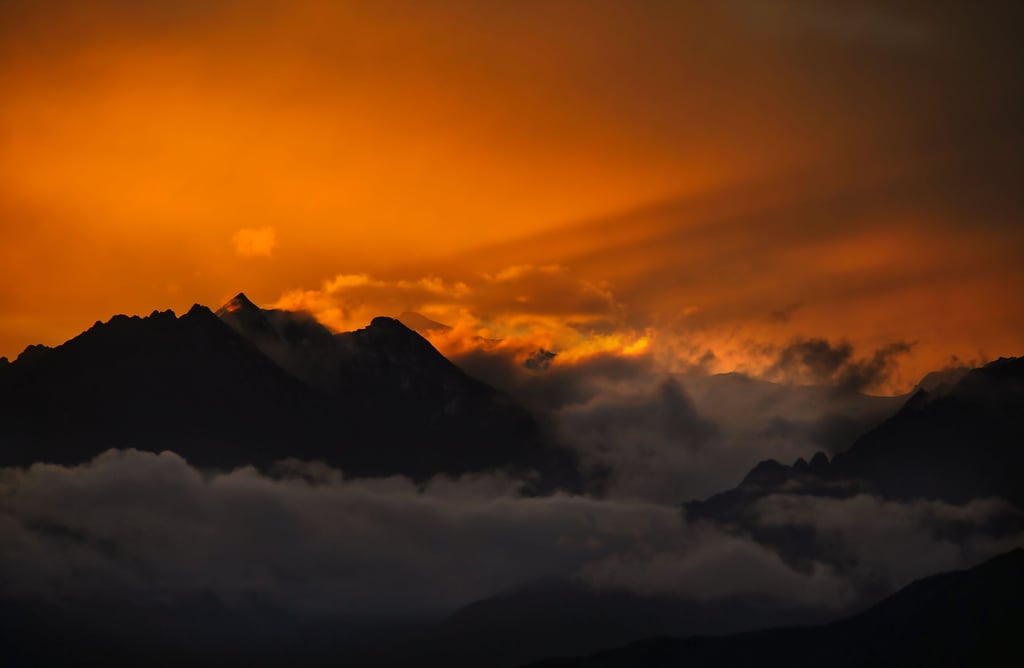
Traveling to the Andes is one of the most rewarding experiences for landscape and astrophotography, but high altitude photography in Peru requires more than just technical skill—it demands proper physical preparation. This Altitude Acclimatization Guide for Photographers (2026) is designed to help you arrive fully prepared, energized, and ready to capture world-class images across Peru’s most iconic destinations.
From the Sacred Valley to the high passes of the Inca Trail and the extreme elevations of Rainbow Mountain, most Andes photography tours take place between 3,400 m and 5,000 m, where oxygen levels drop significantly and can directly impact your performance, creativity, and endurance.
For photographers, altitude is not just a physical challenge—it can mean missing golden sunrise light, perfect Milky Way alignment, or once-in-a-lifetime wildlife moments. Without proper acclimatization, symptoms like fatigue, headaches, and lack of concentration can reduce your ability to shoot effectively in fast-changing conditions.
This guide focuses on altitude sickness prevention in Peru, combining expert travel strategies with real-world photography demands. You’ll learn how to prepare your body before arrival, optimize your performance during long shooting days, and safely adapt to high elevations while carrying camera gear.
Whether you're planning a Peru photography tour, an astrophotography expedition in the Andes, or a Machu Picchu photo tour, understanding acclimatization is essential to maximize both your health and your creative output.
At high altitude, even experienced and fit travelers can be affected, since altitude depends on oxygen availability—not fitness level—making preparation critical for every photographer.
With the right strategy—gradual ascent, proper hydration, and smart itinerary design—you can fully enjoy high altitude travel in Peru and capture extraordinary images under some of the clearest skies on Earth.
At Photo Tours Peru, our itineraries are specifically designed for photographers, integrating gradual altitude acclimatization, optimal shooting conditions, and expert guidance so you never have to choose between safety and creativity.
Why Altitude Preparation Is Essential for Photographers
Most Andean photography destinations sit between 3,400 m and 5,000 m (11,150–16,400 ft) above sea level. At these elevations, oxygen levels drop significantly, which can cause:
Altitude sickness (headaches, nausea, dizziness)
Fatigue and shortness of breath
Poor sleep and low concentration
Reduced physical and creative performance
For photographers, this means:
Missed sunrise and night photography sessions
Reduced stamina during long shooting days
Difficulty focusing, composing, and reacting to fast-changing light
Proper acclimatization is not optional — it’s essential.
Best Ways to Prepare for High Altitude Before Traveling to the Andes
1. Arrive Early and Acclimatize Gradually
The most effective altitude strategy is giving your body time to adapt.
Best practice:
Arrive 2–3 days before any high-altitude photography tour
Start in cities around 3,000–3,400 m (Cusco, Huaraz, La Paz)
Avoid jumping directly to locations above 4,500 m
📸 Photo Tours Peru itineraries are designed with gradual altitude gain for maximum comfort and safety.
2. Improve Cardiovascular Fitness Before Your Trip
Altitude adaptation begins at home.
Recommended preparation (4–8 weeks before travel):
Cardio training (hiking, cycling, swimming)
Stair climbing with light backpack
Breathing exercises (slow nasal breathing)
This improves oxygen efficiency and helps you:
Walk longer distances with camera gear
Recover faster after exertion
Enjoy long sunrise, sunset, and astrophotography sessions
3. Hydration Is Critical at High Altitude
Dehydration increases altitude symptoms and fatigue.
Hydration tips:
Start hydrating 48 hours before arrival
Drink 3–4 liters per day at altitude
Avoid alcohol during acclimatization days
Limit caffeine intake
💡 Proper hydration improves sleep, circulation, and oxygen delivery.
4. Eat Light, High-Carbohydrate Meals
At altitude, digestion slows and heavy meals increase discomfort.
Best altitude-friendly foods:
Rice, quinoa, potatoes
Fruits and vegetables
Soups and broths
Lean proteins in small portions
Carbohydrates help your body use oxygen more efficiently — perfect for photographers on long shooting days.
5. Sleep Low, Shoot High (When Possible)
One of the best altitude strategies used by professionals.
Sleep at lower elevations
Travel higher during the day for photography
Return to lower altitude for overnight rest
This method:
Reduces altitude symptoms
Improves recovery
Maximizes photographic productivity
6. Natural Altitude Remedies in the Andes
Local Andean knowledge has been used for centuries.
Common natural aids:
Coca leaf tea (legal and traditional in Peru & Bolivia)
Herbal infusions (muña, anise, chamomile)
Warm fluids throughout the day
⚠️ Always consume moderately and follow your guide’s advice.
7. Medication & Medical Considerations (Consult Your Doctor)
Some travelers use preventive medication such as acetazolamide (Diamox).
Important notes:
Always consult your doctor before using medication
Never self-medicate at altitude
Inform your tour leader of any health conditions
Photo Tours Peru guides are trained to recognize altitude symptoms early and respond appropriately.
Altitude Tips Specifically for Photography Tours
✔ Carry lighter camera gear during acclimatization days
✔ Avoid rushing between shooting locations
✔ Protect batteries (cold + altitude drain power faster)
✔ Plan night photography only after acclimatization
✔ Listen to your body — great photos come from feeling strong
Best Time to Travel the Andes for Photography (2026)
Dry Season: April – September (clear skies, colder nights)
Wet Season: November – March (dramatic skies, fewer crowds)
Shoulder Months: April & October (best balance)
Our 2026 photography tours are carefully scheduled to match ideal weather, light, and acclimatization conditions.
Why Choose Photo Tours Peru for High-Altitude Photography
Professionally designed acclimatization itineraries
✔ Expert photography guides & local altitude-trained staff
✔ Small groups for personalized support
✔ Safety-first approach without sacrificing creativity
✔ Proven success in Andes, Atacama, and Uyuni photography tours
Altitude doesn’t have to limit your experience — with the right preparation and the right team, it becomes part of the adventure.
📷 Join Photo Tours Peru in 2026 and photograph the Andes at your best — strong, inspired, and fully acclimatized.
👉 Contact us today to reserve your high-altitude photography tour.
# altitude acclimatization Andes# high altitude photography Peru# Andes photography tour 2026# altitude sickness prevention Peru# photography tours Andes# Photo Tours Peru# acclimatization tips Andes# high altitude travel Peru#
Book Your 2026 Andes Photography Adventure with Confidence
Contact
Email: phototourperu@gmail.com
Phone: +51 940188346
© 2025. All rights reserved.
Designed by Zihna