

Puno Candelaria Festival Photography Tour – 5 Days
Home / Puno Candelaria Festival Photography Tour 5 Days Cultural Journey
Why Photographers Choose This Puno Festival Tour.
Experience the Virgen de la Candelaria Festival through photography on a 5-day cultural expedition in Puno, Peru.
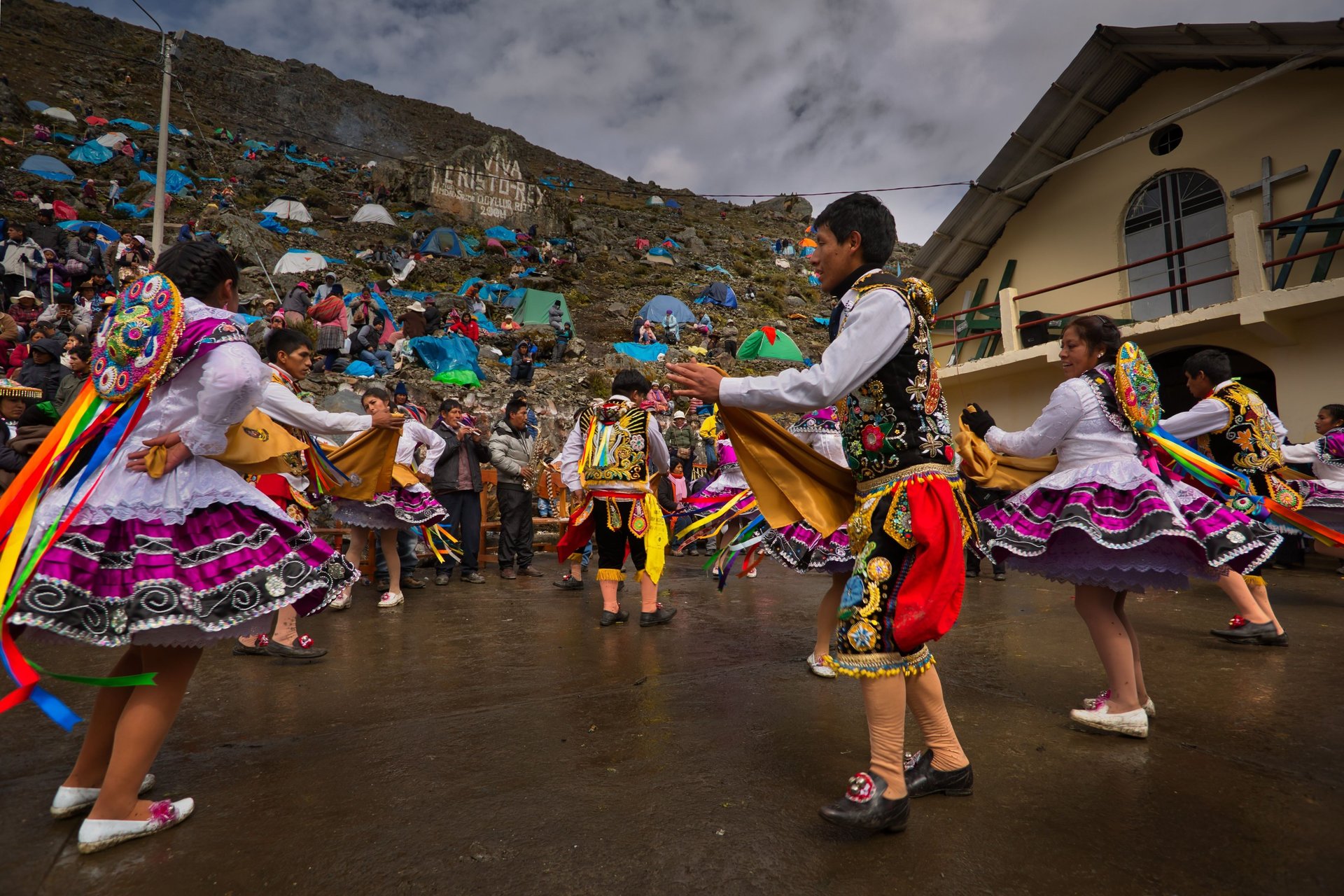
Every February, the city of Puno comes alive with music, dance, elaborate costumes, masks, religious traditions, and thousands of performers celebrating the Virgen de la Candelaria. For photographers, this extraordinary festival offers an exceptional opportunity to document movement, color, emotion, portraiture, street scenes, and Andean cultural traditions.
Our Puno Candelaria Festival Photography Tour is designed specifically for photographers who want more than a conventional sightseeing experience. You will have time to photograph the major celebrations, parades, dance competitions, musicians, performers, and cultural moments while traveling with a local photography guide who understands the festival and its traditions
Whether you are interested in documentary photography, cultural photography, street photography, portrait photography, or travel photography, this 5-day expedition gives you the opportunity to build a diverse portfolio while experiencing one of Peru's most important cultural celebrations.
Photography Highlights
Photograph the Virgen de la Candelaria Festival in Puno
Capture spectacular Andean dance performances and parades
Photograph colorful traditional costumes, masks and folkloric details
Create environmental and close-up portraits of dancers and musicians
Explore documentary and street photography in Puno
Photograph religious processions and cultural traditions
Capture movement, emotion and storytelling through photography
Photograph the Sillustani pre-Inca funerary towers
Work with a local photography guide familiar with the festival
Photograph both daytime celebrations and evening festivities.
Why Photograph the Candelaria Festival with Photo Tours Peru?
Photography-focused itinerary designed around the festival schedule
Small-group experience for greater flexibility while photographing
Local guidance to help you understand the cultural context
Opportunities for documentary, street, portrait and cultural photography
Time to photograph dancers, musicians, costumes and processions
Guidance on composition, available light and photographic storytelling
Carefully selected locations for different photographic perspectives
Experience the festival beyond conventional sightseeing
Combine festival photography with Sillustani
Suitable for photographers from beginner to advanced level.
What Can You Photograph During the Candelaria Festival?
The Virgen de la Candelaria Festival provides an extraordinary variety of photographic subjects. Throughout the experience, you can work on different types of photography while documenting the atmosphere and cultural traditions of Puno.
Festival & Documentary Photography
Follow the celebrations through the streets and photograph dancers, musicians, spectators, religious traditions and spontaneous moments.
Portrait Photography
Look for expressive portraits of dancers, musicians and festival participants, capturing traditional clothing, masks, makeup and personal expressions.
Street Photography
Photograph the energy of Puno during the festival, including crowds, performers, musicians, vendors and everyday life surrounding the celebrations.
Cultural Photography
Document the relationship between Andean traditions, music, dance, religion and community identity.
Low-Light & Night Photography
The evening celebrations provide opportunities to work with artificial light, movement and challenging photographic conditions.
Travel Photography
Combine the festival with the landscapes and cultural heritage of Lake Titicaca, Sillustani, the Uros Islands and Taquile Island.
Why Photographers Choose This Puno Festival Tour.
Why Photograph the Candelaria Festival with Photo Tours Peru?
Photography-focused itinerary designed around the festival schedule
Small-group experience for greater flexibility while photographing
Local guidance to help you understand the cultural context
Opportunities for documentary, street, portrait and cultural photography
Time to photograph dancers, musicians, costumes and processions
Guidance on composition, available light and photographic storytelling
Carefully selected locations for different photographic perspectives
Experience the festival beyond conventional sightseeing
Combine festival photography with Lake Titicaca and Sillustani
Suitable for photographers from beginner to advanced level
What Can You Photograph During the Candelaria Festival?
The Virgen de la Candelaria Festival provides an extraordinary variety of photographic subjects. Throughout the experience, you can work on different types of photography while documenting the atmosphere and cultural traditions of Puno.
Festival & Documentary Photography
Follow the celebrations through the streets and photograph dancers, musicians, spectators, religious traditions and spontaneous moments.
Portrait Photography
Look for expressive portraits of dancers, musicians and festival participants, capturing traditional clothing, masks, makeup and personal expressions.
Street Photography
Photograph the energy of Puno during the festival, including crowds, performers, musicians, vendors and everyday life surrounding the celebrations.
Cultural Photography
Document the relationship between Andean traditions, music, dance, religion and community identity.
Low-Light & Night Photography
The evening celebrations provide opportunities to work with artificial light, movement and challenging photographic conditions.
Travel Photography
Combine the festival with the landscapes and cultural heritage of Lake Titicaca, Sillustani, the Uros Islands and Taquile Island.
Why Photographers Choose This Puno Festival Tour
Arrive in Puno, transfer to your accommodation and meet your photography guide. After checking in, review the planned festival activities, discuss local customs and prepare your equipment for the following days.
If arrival time and the confirmed schedule permit, explore the historic center and photograph the atmosphere surrounding the celebration. Look for musicians preparing their instruments, costume details, street scenes and interactions among residents and visitors.
The evening is also an opportunity to review practical techniques for photographing moving subjects and working in changing light.
Photography focus: Street photography, environmental portraits, visual details and camera preparation.
Accommodation: Hotel in Puno.
February 6 Arrival in Puno and Festival Orientation
Arrive in Puno, transfer to your accommodation and meet your photography guide. After checking in, review the planned festival activities, discuss local customs and prepare your equipment for the following days.
If arrival time and the confirmed schedule permit, explore the historic center and photograph the atmosphere surrounding the celebration. Look for musicians preparing their instruments, costume details, street scenes and interactions among residents and visitors.
The evening is also an opportunity to review practical techniques for photographing moving subjects and working in changing light.
Photography focus: Street photography, environmental portraits, visual details and camera preparation.
Accommodation: Hotel in Puno.
February 7th Traditional Dance Competition and Festival Costumes
Spend the day photographing the scheduled dance competition, subject to the final official program and applicable access arrangements.
The costumes, masks, choreography and musical performances provide opportunities to work with color, movement and expressive gestures. Observe the differences between dance groups and look for visual details that help explain their individual identities.
Your photography guide can help you assess shutter speed, anticipate movement and choose compositions that isolate important details within busy scenes.
Photography focus: Traditional dance photography, action, costume details, masks and expressive portraits.
Accommodation: Hotel in Puno.
February 8th Gran Veneración & Festival Parade
Photograph the scheduled parade and veneration activities along the confirmed route. This is an opportunity to build a documentary narrative that combines large-scale scenes with intimate moments.
Look beyond the performances themselves. Include musicians, spectators, families, ceremonial details and interactions that reveal the human dimension of the celebration.
Because parade routes and access conditions can be crowded, patience and flexibility are essential. Your photography plan will adapt to the available viewing positions and local regulations.
Photography focus: Documentary photography, storytelling sequences, crowd composition and decisive moments.
Accommodation: Hotel in Puno.
February 9th Festival Photography and Environmental Portraits
Continue documenting the festival according to the confirmed program. Use the day to refine your photographic approach and capture images that complement the previous days.
Concentrate on portraits, embroidered garments, musical instruments, hands in motion, facial expressions and the relationship between performers and their surroundings.
When photographing individuals at close range, ask permission whenever appropriate and respect anyone who does not wish to be photographed.
Photography focus: Environmental portraits, available light, composition, cultural details and visual storytelling.
Accommodation: Hotel in Puno.
10th February Final Photo Review and Departure
Depending on your departure schedule, review a selection of your strongest images with your photography guide. Discuss composition, exposure, color consistency and how individual photographs can work together as a visual story.
If time, transport and road conditions permit, an optional excursion to Sillustani and the Lake Umayo area may provide a different perspective on the cultural heritage and landscapes of the Puno region.
Travelers with early departures will transfer directly to their onward connection.
Photography focus: Image selection, photo-essay sequencing and landscape composition.
Accommodation: Not included after departure unless specifically arranged.
Itinerary note: The exact festival schedule, parade routes and photography opportunities depend on the official program. Competition dates and access arrangements must be reconfirmed before the tour is operated.
Green Team Commitment – Responsible Photography with Photo Tours Peru
At Photo Tours Peru, we believe photography should protect the places we explore. Every photography expedition—from the Andes to the Amazon—is guided by a Green Team philosophy, ensuring that our tours respect nature, wildlife, and local communities.
Our goal is simple: capture extraordinary images while leaving every location better than we found it.
1. Leave No Trace Photography
Our photography tours follow the internationally recognized Leave No Trace principles, which emphasize minimizing environmental impact when traveling in nature.
Key practices include:
• Carry out all trash and waste
• Avoid single-use plastic bottles
• Stay on established trails and paths
• Do not move rocks, plants, or natural elements for photos
• Leave archaeological sites and landscapes untouched
These practices protect fragile ecosystems and help preserve natural landscapes for future generations.
2. Respect Wildlife and Natural Habitats
Wildlife photography requires patience and responsibility.
On our tours we:
• Observe animals from a safe distance
• Never feed or disturb wildlife
• Avoid loud noise or sudden movement
• Use telephoto lenses instead of approaching animals
If wildlife changes behavior, it means the photographer is too close and must move away.
3. Protect Cultural Heritage
Many photography tours visit indigenous communities and historic sites.
Our Green Team approach includes:
• Always asking permission before photographing people
• Respecting cultural traditions and sacred places
• Supporting local artisans and communities
• Avoiding staged or exploitative photography
Photography should tell respectful human stories, not exploit them.
4. Small Group Photography Expeditions
All Photo Tours Peru expeditions prioritize small groups to reduce environmental impact.
Benefits:
• Less pressure on fragile ecosystems
• More respectful interaction with local communities
• Better photography opportunities
• Lower environmental footprint
Sustainable photo tours often limit groups to ensure minimal disturbance to nature.
5. Support Local Communities
Responsible tourism helps protect destinations when local people benefit from tourism.
Photo Tours Peru supports:
• Local guides and communities
• Family-owned lodges and homestays
• Indigenous cultural projects
• Local conservation initiatives
When communities benefit economically from tourism, they are more motivated to protect their environment and culture.
What Will You Learn?
This cultural photography expedition offers practical opportunities to develop skills that can be applied to festivals and documentary assignments worldwide.
Photographing movement: Choose shutter speeds to freeze dance movements or introduce controlled motion blur.
Working with difficult light: Adapt ISO, exposure compensation and metering to bright costumes, shadows and changing outdoor conditions.
Portrait photography: Create environmental portraits that place people within their cultural surroundings.
Composition in crowded spaces: Use layers, framing, contrasting colors and background separation.
Visual storytelling: Combine establishing images, portraits, details and decisive moments into a coherent photo essay.
Responsible cultural photography: Approach people respectfully, recognize religious contexts and avoid intrusive behavior.
The amount of individual instruction depends on the selected guiding service and group size.
Recommended Photography Equipment
You do not need the most expensive camera to enjoy this tour. A DSLR, mirrorless camera or capable compact camera can produce excellent results when used thoughtfully.
Suggested equipment:
A versatile zoom lens, such as 24–70mm or 24–105mm.
A telephoto zoom, such as 70–200mm or 100–400mm, for distant performers and compressed compositions.
A fast prime lens for portraits and lower-light situations.
Spare batteries and memory cards.
A rain cover for your camera and a protective bag.
Comfortable walking shoes and clothing suitable for changing high-altitude weather.
A lightweight camera strap or harness for long days on foot.
A tripod is generally less practical in crowded parade areas. A monopod may also be restricted in certain locations, so check the applicable rules before bringing support equipment.
Physical Requirements and Altitude
Puno lies at approximately 3,825 meters (12,550 feet) above sea level. The altitude can affect visitors who are not acclimatized, even when the itinerary involves relatively little hiking.
The tour includes walking and potentially long periods of standing in crowded areas. Participants should be comfortable spending several hours on their feet and carrying their camera equipment.
We recommend arriving in the region early enough to acclimatize, staying hydrated and avoiding excessive physical exertion during the first days. Travelers with concerns about high-altitude travel should consult a qualified healthcare professional before departure.
What's Included?
The final package inclusions must be confirmed in writing before booking. Depending on the selected service, the package may include:
Airport or bus-station transfers, as specified.
Private or shared ground transportation, according to the selected package.
Four nights of accommodation in Puno.
Professional photography guidance and local cultural interpretation.
Assistance planning photography sessions around the confirmed festival program.
Meals explicitly listed in the final itinerary.
Pre-tour assistance with travel planning and photography preparation.
Festival seating, special photography permits, guaranteed access to restricted areas, meals, and private transport should not be assumed unless explicitly stated in the confirmed package.
What's Not Included?
Unless specified otherwise in your booking confirmation, exclusions may include:
International or domestic flights.
Meals and drinks not listed in the itinerary.
Personal expenses and gratuities.
Travel insurance and personal medical expenses.
Camera equipment and accessories.
Optional excursions and activities.
Additional hotel nights before or after the tour.
Any permits, reserved seating or special access not expressly listed as included.
Responsible Cultural Photography
The Virgen de la Candelaria Festival is a living expression of faith, community and cultural identity. Photographing it responsibly requires more than technical skill.
We encourage participants to ask permission for close portraits, respect religious ceremonies, follow local instructions and avoid blocking performers or disrupting processions.
Our goal is to help photographers create compelling images while treating the people and traditions they document with dignity.
Frequently Asked Questions
When is the Virgen de la Candelaria Festival in Puno?
The festival takes place around late January and February, with major activities scheduled on specific dates each year. The proposed February 6–10, 2027 tour dates are intended to cover important festival activities, but the final itinerary must be checked against the official program.
Is this tour suitable for amateur photographers?
Yes, the itinerary can suit beginners and experienced photographers alike. A working knowledge of your camera is helpful, but the most important qualities are curiosity, patience and respect for the people you photograph.
What photography genres can I practice?
The tour is especially suited to cultural, documentary, street, event and portrait photography. You can also practice detail photography and environmental storytelling.
Will I have special access to dancers or parade positions?
Special access, reserved seating and close-up opportunities are not guaranteed unless expressly confirmed. Photography depends on public access, local regulations, crowd conditions and the wishes of individual participants.
What should I bring for photography?
We recommend a versatile zoom lens, a telephoto lens, spare batteries, memory cards, rain protection and comfortable footwear. A camera phone can also be useful for quick documentary images.
Do I need to be acclimatized before arriving in Puno?
Yes, allowing time to acclimatize is strongly recommended because Puno is at high altitude. Consider your personal health and fitness, and seek medical advice if you have concerns about altitude exposure.
How can I reserve the 2027 tour?
Contact Photo Tours Peru with your preferred dates, number of travelers and photography interests. We will confirm the final itinerary, accommodation, price, included services and availability before your reservation is finalized.
Reserve Your Puno Candelaria Festival Photography Tour
Photograph the movement, color and human stories of one of the Andes' most remarkable cultural celebrations.
Join Photo Tours Peru for a dedicated cultural photography experience in Puno, with opportunities to document traditional dance, elaborate costumes, religious traditions and everyday life surrounding the festival.
Request your 2027 dates, receive the detailed itinerary and plan your photography journey to Peru.
Private Candelaria Photography Tour
5 days / 4 nights · February 2027
1 traveler $3,200
2 travelers $2,400
3 travelers $2,000
4 travelers $1,800
5 travelers $1,650
6 travelers $1,550
USD prices. The final quote must be checked against hotel contracts, guide fees, transport, boat arrangements, entrance fees and taxes before publication..
Green Team Commitment – Responsible Photography with Photo Tours Peru
At Photo Tours Peru, we believe photography should protect the places we explore. Every photography expedition—from the Andes to the Amazon—is guided by a Green Team philosophy, ensuring that our tours respect nature, wildlife, and local communities.
Our goal is simple: capture extraordinary images while leaving every location better than we found it.
1. Leave No Trace Photography
Our photography tours follow the internationally recognized Leave No Trace principles, which emphasize minimizing environmental impact when traveling in nature.
Key practices include:
• Carry out all trash and waste
• Avoid single-use plastic bottles
• Stay on established trails and paths
• Do not move rocks, plants, or natural elements for photos
• Leave archaeological sites and landscapes untouched
These practices protect fragile ecosystems and help preserve natural landscapes for future generations.
2. Respect Wildlife and Natural Habitats
Wildlife photography requires patience and responsibility.
On our tours we:
• Observe animals from a safe distance
• Never feed or disturb wildlife
• Avoid loud noise or sudden movement
• Use telephoto lenses instead of approaching animals
If wildlife changes behavior, it means the photographer is too close and must move away.
3. Protect Cultural Heritage
Many photography tours visit indigenous communities and historic sites.
Our Green Team approach includes:
• Always asking permission before photographing people
• Respecting cultural traditions and sacred places
• Supporting local artisans and communities
• Avoiding staged or exploitative photography
Photography should tell respectful human stories, not exploit them.
4. Small Group Photography Expeditions
All Photo Tours Peru expeditions prioritize small groups to reduce environmental impact.
Benefits:
• Less pressure on fragile ecosystems
• More respectful interaction with local communities
• Better photography opportunities
• Lower environmental footprint
Sustainable photo tours often limit groups to ensure minimal disturbance to nature.
5. Support Local Communities
Responsible tourism helps protect destinations when local people benefit from tourism.
Photo Tours Peru supports:
• Local guides and communities
• Family-owned lodges and homestays
• Indigenous cultural projects
• Local conservation initiatives
When communities benefit economically from tourism, they are more motivated to protect their environment and culture.
Why Photographers Choose This Puno Festival Tour


Contact
Email: phototourperu@gmail.com
Phone: +51 940188346
© 2025. All rights reserved.
Designed by Zihna