Pantanal Jaguar Photography Tour in Brazil – 6 Days
Home / pantanal-jaguar-photography-tour-brazil
6-Day Pantanal Jaguar Photography Tour in Porto Jofre, Brazil
Pantanal Jaguar Photography Tour in Brazil – 6 Days
A wildlife photography expedition to Porto Jofre and the Northern Pantanal, designed for photographers who want more time in the field and opportunities to photograph jaguars in their natural habitat.
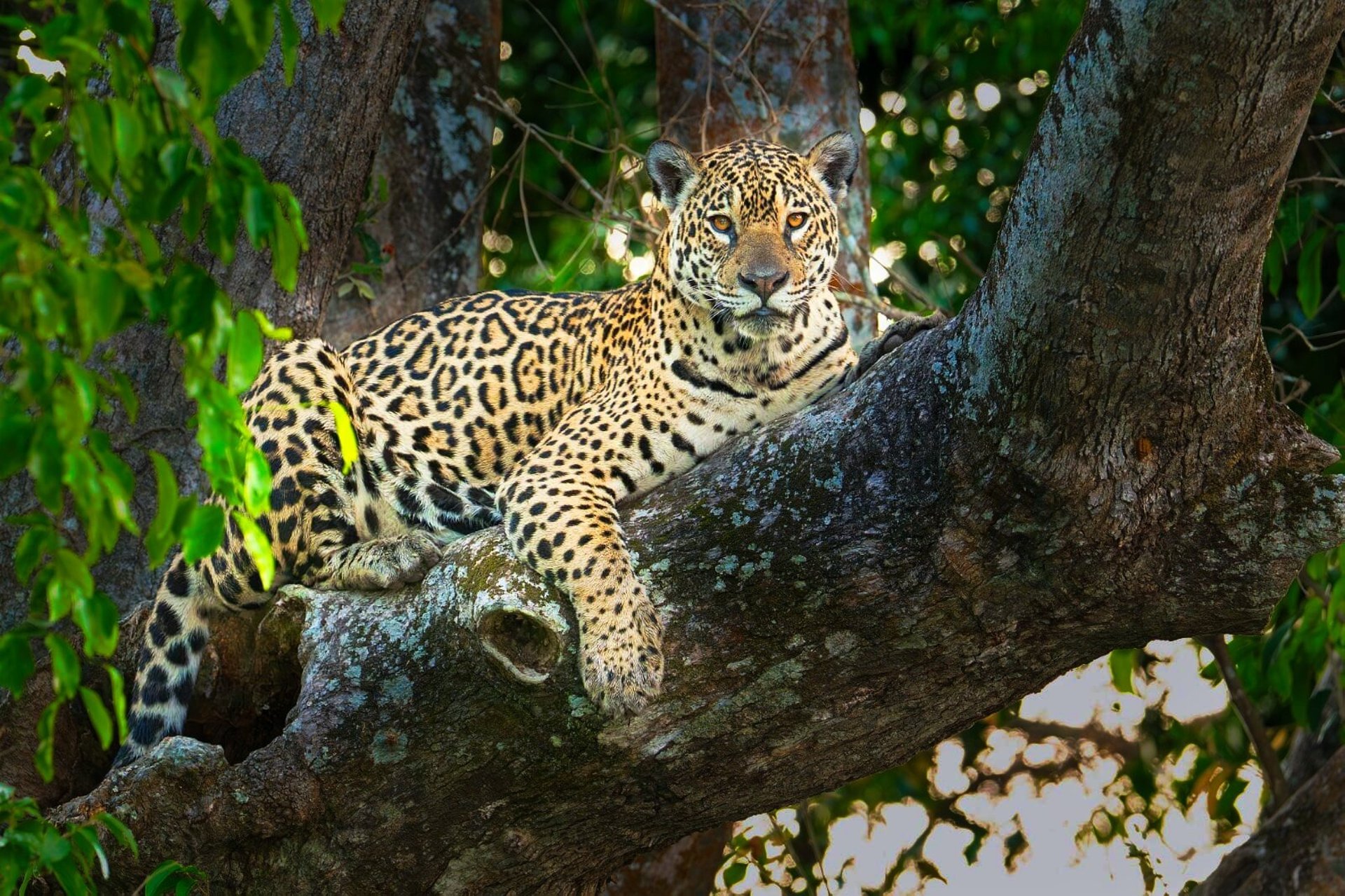
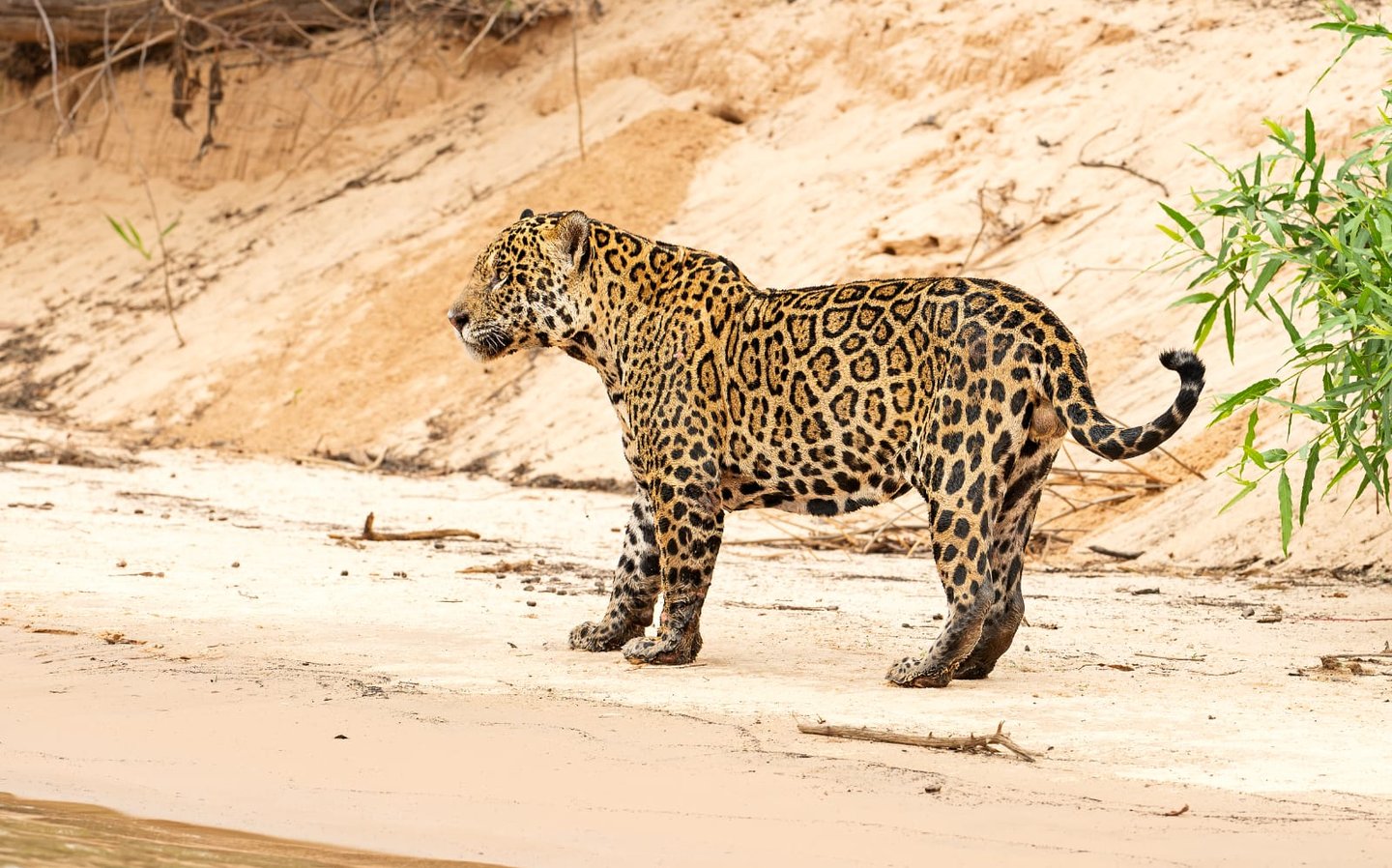
The Brazilian Pantanal is one of South America's most celebrated destinations for photographing wild jaguars. On this six-day Pantanal Jaguar Photography Tour, travel from Cuiabá along the Transpantaneira Highway to Porto Jofre, where river-based wildlife excursions offer opportunities to photograph jaguars, giant river otters, caimans, capybaras, and an extraordinary variety of birds.
This photography-focused expedition combines three nights aboard a floating houseboat in the Porto Jofre area with two nights at Pousada Pouso Alegre. The itinerary includes dedicated time on the rivers for jaguar photography, followed by land-based wildlife photography and a night safari, subject to local operating conditions.
Whether you specialize in wildlife portraits, animal behavior, action sequences, or environmental storytelling, the Pantanal offers opportunities to develop a diverse wildlife photography portfolio.
With experienced local wildlife guides, planned photography sessions, and time to work with changing natural light, this tour is designed for photographers who want more than a conventional wildlife sightseeing trip.
Duration: 6 days / 5 nights
Destination: Northern Pantanal, Mato Grosso, Brazil
Main locations: Cuiabá, Transpantaneira Highway, Porto Jofre, Cuiabá River system, Piquirí River, and Pousada Pouso Alegre
Photography focus: Jaguars, giant river otters, caimans, capybaras, macaws, jabiru storks, and other Pantanal wildlife
Accommodation: 3 nights aboard a floating houseboat and 2 nights at Pousada Pouso Alegre, subject to final confirmation
Meals: Breakfast, lunch, and dinner on scheduled full-board days, as detailed below
Tour style: Private or specially arranged photography departure, according to the confirmed quotation
Why Choose Our Pantanal Jaguar Photography Tour?
Photograph Wild Jaguars in Their Natural Habitat
Porto Jofre is renowned for jaguar sightings along its river systems. Spend dedicated time exploring suitable waterways with local guides who monitor wildlife activity and help identify photographic opportunities.
Wildlife encounters depend on natural behavior, weather, river conditions, and the day's sightings. No particular species or behavior can be guaranteed.
Enjoy Dedicated Boat-Based Wildlife Photography
The river excursions are a central part of this Pantanal photography tour. Photograph wildlife from boats while exploring riverbanks, channels, and suitable viewing areas.
Depending on conditions, you may photograph jaguars resting, walking, swimming, or interacting with their surroundings. Boat positioning and viewing time are subject to local regulations, safety, and responsible wildlife practices.
Explore the Transpantaneira Highway
The journey between Cuiabá and Porto Jofre offers opportunities to photograph the changing landscapes of the Northern Pantanal.
Look for capybaras, caimans, wading birds, macaws, and other wildlife along the road and nearby wetlands. Stops depend on wildlife activity, weather, road conditions, and the transfer schedule.
Photograph More Than Jaguars
The Pantanal is also rewarding for bird and mammal photography. Potential subjects include giant river otters, jabiru storks, herons, kingfishers, capybaras, and other wildlife found in the region.
Your guide will help prioritize photographic opportunities while keeping the itinerary realistic.
Combine River and Land-Based Wildlife Photography
Three nights in the Porto Jofre area provide time for river excursions, while the stay at Pousada Pouso Alegre introduces different habitats and land-based photography opportunities.
This combination gives photographers a broader experience of the Northern Pantanal than a short jaguar-focused boat excursion alone.
6-Day Pantanal Jaguar Photography Itinerary
Day 1: Cuiabá to Porto Jofre – Transpantaneira Wildlife Photography Safari
Your Pantanal wildlife photography expedition begins in Cuiabá, where you will meet your local team and depart toward the Northern Pantanal.
Travel through Poconé and continue along the Transpantaneira Highway toward Porto Jofre. The journey is an opportunity to photograph wildlife along the route, with stops selected according to sightings, light, road conditions, and the day's schedule.
Potential photographic subjects include capybaras, caimans, jabiru storks, herons, egrets, macaws, and other birds and mammals found in the wetlands.
Arrive in the Porto Jofre area and settle into your floating houseboat. Your team will review the upcoming boat excursions, wildlife photography guidelines, and practical arrangements for working safely on the rivers.
Photography highlights
Wildlife photography along the Transpantaneira Highway
Wetland landscapes and riverine habitats
Birds and mammals encountered along the route
Golden-hour photography when arrival time and conditions allow
Accommodation: Floating houseboat in the Porto Jofre area, private cabin subject to confirmation.
Meals: Dinner included. Breakfast and lunch are not included unless separately arranged.
Day 2: Porto Jofre – Full-Day Jaguar Photography by Boat
Begin your first dedicated day of river-based wildlife photography. Explore suitable waterways in the Porto Jofre region, including the Cuiabá and Piquirí river systems, according to local conditions and the operator's route.
Your local guide will look for signs of wildlife activity and help position the boat for responsible observation and photography.
When jaguars are encountered, you may have opportunities to photograph them along the riverbanks, resting in vegetation, walking beside the water, or displaying other natural behaviors.
During quieter periods, focus on giant river otters, caimans, capybaras, kingfishers, herons, and other wildlife.
Return to the houseboat for the midday break if the schedule and river conditions allow. An additional afternoon boat excursion is planned to take advantage of changing light and wildlife activity.
Photography highlights
Jaguar portraits and environmental compositions
Wildlife behavior along riverbanks
Giant river otters and caimans
Reflections, natural light, and water-level perspectives
Birds in flight and riverine habitats
Accommodation: Floating houseboat.
Meals: Breakfast, lunch, and dinner included.
Day 3: Porto Jofre – Jaguar Behavior and Wildlife Photography
Enjoy another dedicated day of boat-based photography in the Porto Jofre area.
With additional time on the rivers, you can work on a wider variety of images rather than concentrating only on close-up portraits. Depending on sightings, look for opportunities to photograph jaguars moving through the landscape, interacting with the river environment, or resting in natural surroundings.
Continue photographing the region's other wildlife, including giant river otters, caimans, capybaras, and waterbirds.
Your guide will adapt the day's route to local wildlife activity and safe boating conditions. The goal is to use the available photography time effectively while respecting the animals and other river users.
Photography highlights
Jaguar behavior and storytelling sequences
Wider compositions showing the Pantanal habitat
Giant river otter family behavior, if encountered
Macaws, jabiru storks, herons, and kingfishers
Practice with shutter speed, autofocus, and subject tracking
Accommodation: Floating houseboat.
Meals: Breakfast, lunch, and dinner included.
Day 4: Porto Jofre to Pousada Pouso Alegre – Land-Based Wildlife and Night Photography
After breakfast, begin the return journey north along the Transpantaneira Highway toward Pousada Pouso Alegre.
Make wildlife photography stops along the way when road conditions, the schedule, and sightings allow. The transfer provides opportunities to photograph the landscapes and wildlife of the Northern Pantanal from land.
After arriving at Pousada Pouso Alegre, settle in and explore suitable areas of the property according to the lodge's rules and local conditions.
An optional or pre-arranged night wildlife drive may be available, subject to confirmation with the lodge. Nocturnal species can include caimans, nightjars, owls, and other animals, but sightings vary.
Photography highlights
Wildlife along the Transpantaneira Highway
Wetland and woodland landscapes
Birds and mammals near the lodge
Nocturnal wildlife photography if the night drive is confirmed
Accommodation: Pousada Pouso Alegre.
Meals: Breakfast, lunch, and dinner included.
Day 5: Pousada Pouso Alegre – Full-Day Wildlife Photography Safari
Spend the day exploring suitable photography locations around Pousada Pouso Alegre and its surrounding habitats.
Early morning is an opportunity to photograph wildlife in softer light. Depending on current access and wildlife activity, potential subjects include capybaras, caimans, jabiru storks, other waterbirds, and mammals found in the area.
Continue with land-based wildlife photography and explore suitable lodge trails or established viewing areas where permitted.
The afternoon offers another opportunity to photograph birds and mammals in changing light. If a night safari has been confirmed as part of the package, use the evening for a final nocturnal wildlife photography session.
Photography highlights
Wetland and woodland bird photography
Capybaras, caimans, and other local wildlife
Wildlife portraits and environmental compositions
Macro photography of insects and plants when conditions allow
Night wildlife photography if included and available
Accommodation: Pousada Pouso Alegre.
Meals: Breakfast, lunch, and dinner included.
Day 6: Pousada Pouso Alegre to Cuiabá – Departure
Enjoy breakfast before beginning the return transfer to Cuiabá.
Depending on departure time, road conditions, and wildlife activity, there may be opportunities for brief photography stops along the route. These stops cannot be guaranteed if they would compromise airport arrival times.
We recommend booking a flight that leaves sufficient time for the transfer from the Pantanal to Cuiabá International Airport. The actual departure time should be confirmed with your operator before purchasing flights.
Your six-day Pantanal Jaguar Photography Tour concludes in Cuiabá.
Photography highlights
Final wildlife opportunities along the route
Wetland landscapes and roadside birds when time allows
Meals: Breakfast included. Lunch and dinner are not included unless separately arranged.
Wildlife You May Photograph in the Pantanal
The following species are potential photographic subjects. Actual sightings depend on season, weather, habitat, wildlife behavior, and the locations visited.
Mammals
Jaguar
Giant river otter
Capybara
Brazilian tapir, where present and encountered
Howler monkeys and capuchin monkeys, where present
Crab-eating fox and other regional mammals
Birds
Hyacinth macaw
Red-and-green macaw
Jabiru stork
Toco toucan, where encountered
Kingfishers
Herons, egrets, and other wetland birds
Reptiles and Other Wildlife
Yacaré caiman
Yellow anaconda, if encountered
Other reptiles and wetland wildlife
The tour does not guarantee encounters with any individual species, hunting events, cubs, or specific behaviors.
What's Included in the Pantanal Jaguar Photography Tour?
Included Services
The final quotation should specify the exact services included. The proposed package is based on the following arrangements:
Five nights of accommodation: three nights aboard a floating houseboat and two nights at Pousada Pouso Alegre.
Private or pre-arranged ground transfers between Cuiabá, Porto Jofre, Pousada Pouso Alegre, and Cuiabá, according to the confirmed itinerary.
Scheduled boat excursions in the Porto Jofre area.
Land-based wildlife photography activities listed in the final itinerary.
Breakfast, lunch, and dinner on the full-board days specified in the meal plan.
Local wildlife guides for the included activities.
Private cabin on the houseboat, if explicitly confirmed in the quotation.
Pre-departure information and wildlife photography equipment recommendations.
Important: A dedicated professional photography instructor, exclusive private boats, night safaris, entrance fees, and additional photography sessions should only be advertised as included if the supplier confirms them in writing.
What's Not Included
International flights to and from Brazil.
Flights to and from Cuiabá.
Hotel accommodation in Cuiabá before or after the tour.
Travel insurance and emergency medical or evacuation coverage.
Meals not specified in the confirmed itinerary.
Alcoholic beverages and personal snacks.
Tips for local guides, drivers, boat crews, and lodge staff.
Laundry, telephone charges, and personal purchases.
Camera bodies, lenses, tripods, memory cards, and other personal photography equipment.
Single-room or cabin supplements where applicable.
Optional excursions and services not listed in the final quotation.
Additional costs arising from flight changes, road closures, severe weather, or other unforeseen circumstances.
Any park fees, conservation charges, or photography permits must be itemized according to the actual supplier arrangements. Do not advertise them as included until confirmed.
Pantanal Jaguar Photography Tour
Price Per Person 2027:6 days / 5 nights ·
1 traveler $9,500
2 travelers $6,400
3 travelers $5,800
4 travelers $5,400
5 travelers $5,100
6 travelers $4,900
This six-day expedition is designed for wildlife photographers seeking dedicated time in the field, boat-based jaguar photography, and a combination of river and land habitats.
Pricing depends on the number of travelers, cabin arrangements, boat allocation, lodge availability, and guide services. We will confirm the final quotation before accepting a deposit.
Best Time for Jaguar Photography in the Pantanal
The Northern Pantanal's dry season, generally from June to October, is a popular period for jaguar photography. During this period, wildlife can be easier to observe along accessible river systems, although conditions vary from year to year.
The best dates depend on river levels, rainfall, road conditions, local wildlife activity, and accommodation availability. Wildlife sightings are never guaranteed.
Recommended Camera Equipment for Jaguar Photography
Camera with reliable autofocus and subject tracking.
Telephoto lens, such as a 100–400 mm or 200–600 mm lens, depending on your equipment and shooting style.
Mid-range zoom for environmental portraits and landscapes.
Fast memory cards and sufficient storage for long photography sessions.
Spare camera batteries and a charging system suitable for your accommodation.
Rain covers, dry bags, and lens-cleaning supplies.
Polarizing filter when appropriate for reflections and water glare.
Binoculars, sun protection, insect repellent, and lightweight field clothing.
Waterproof footwear and a light rain jacket.
Bring equipment you can handle comfortably on a boat. Always follow the crew's instructions and keep cameras, lenses, and batteries protected from water.
Frequently Asked Questions
Is this a dedicated jaguar photography tour?
Yes, the itinerary is designed around wildlife photography, with dedicated boat excursions in the Porto Jofre area and additional land-based photography near Pousada Pouso Alegre.
Are jaguar sightings guaranteed?
No. Porto Jofre is known for jaguar photography, but jaguars are wild animals. Sightings and photographic opportunities depend on wildlife activity and environmental conditions.
Is the tour private?
The tour can be offered as a private arrangement if private transportation, boats, guides, and accommodation are confirmed for your party. The final quotation must specify which services are exclusive.
Are meals included?
The proposed meal plan includes dinner on Day 1, all three meals on Days 2–5, and breakfast on Day 6. Confirm any changes to this schedule before booking.
What is the accommodation?
The proposed itinerary includes three nights aboard a floating houseboat in the Porto Jofre area and two nights at Pousada Pouso Alegre. Cabin type, room arrangements, and availability must be confirmed for your dates.
What photography experience do I need?
The tour can suit experienced wildlife photographers as well as enthusiastic photographers who want to develop their skills. You should be comfortable using your camera in changing natural light and following instructions aboard small boats.
How do I book?
Contact Photo Tours Peru with your preferred dates, number of travelers, room requirements, and photography interests. We will confirm availability, services, and the final price before requesting a deposit.
Book Your Pantanal Jaguar Photography Tour in Brazil
Join Photo Tours Peru for a six-day wildlife photography expedition through the Northern Pantanal.
From jaguars along the rivers of Porto Jofre to the birds and mammals of the Transpantaneira Highway and Pousada Pouso Alegre, this itinerary offers a focused introduction to one of South America's most exciting wildlife photography destinations.
Request your private Pantanal Jaguar Photography Tour quotation today.
Tell us your preferred travel dates, group size, and photography priorities, and we will prepare a proposal based on confirmed accommodation, transportation, and wildlife excursion services.
Contact
Email: phototourperu@gmail.com
Phone: +51 940188346
© 2025. All rights reserved.
Designed by Zihna