Q’eros Photography Tour: A 6-Day Andean Portrait Expedition
Home / Qeros Andean Portrait Photography Expedition 6D/5N Cultural Tour
Travel deep into the Peruvian Andes on a 6-day Q’eros photography tour created for photographers interested in authentic people, cultural storytelling, traditional textiles, and environmental portraiture.
This immersive expedition takes you beyond the conventional tourist routes and into remote highland communities where daily life remains closely connected to the mountains, agriculture, weaving, family traditions, and Andean cultural heritage.
Rather than treating people as photographic subjects, the experience is built around respectful interaction, cultural understanding, and meaningful storytelling. With time to observe and connect, you can photograph expressive portraits, traditional clothing, weaving, rural life, mountain landscapes, and everyday moments in their natural environment.
For portrait photographers, documentary photographers, and visual storytellers, Q’eros offers a rare opportunity to create images that communicate more than appearance—they can reveal people, place, identity, and culture.
What Makes This Q’eros Photography Expedition Different?
Authentic Andean Portraits
Photograph people in their natural environments, from highland families and shepherds to artisans and community members. The emphasis is on expressive environmental portraits and genuine moments rather than heavily staged images.
Remote Quechua Communities
Travel into remote areas of the Peruvian Andes and experience communities where traditional ways of life remain closely connected to the land, mountains, agriculture, and ancestral knowledge.
Traditional Textiles & Cultural Details
Q’eros clothing, woven textiles, hats, tools, homes, and everyday objects provide rich visual elements for portrait and documentary photography.
Documentary Storytelling
Build visual stories around people and their surroundings. Photograph not only faces, but also hands at work, family interactions, landscapes, livestock, agriculture, and everyday activities.
Natural Light & Mountain Landscapes
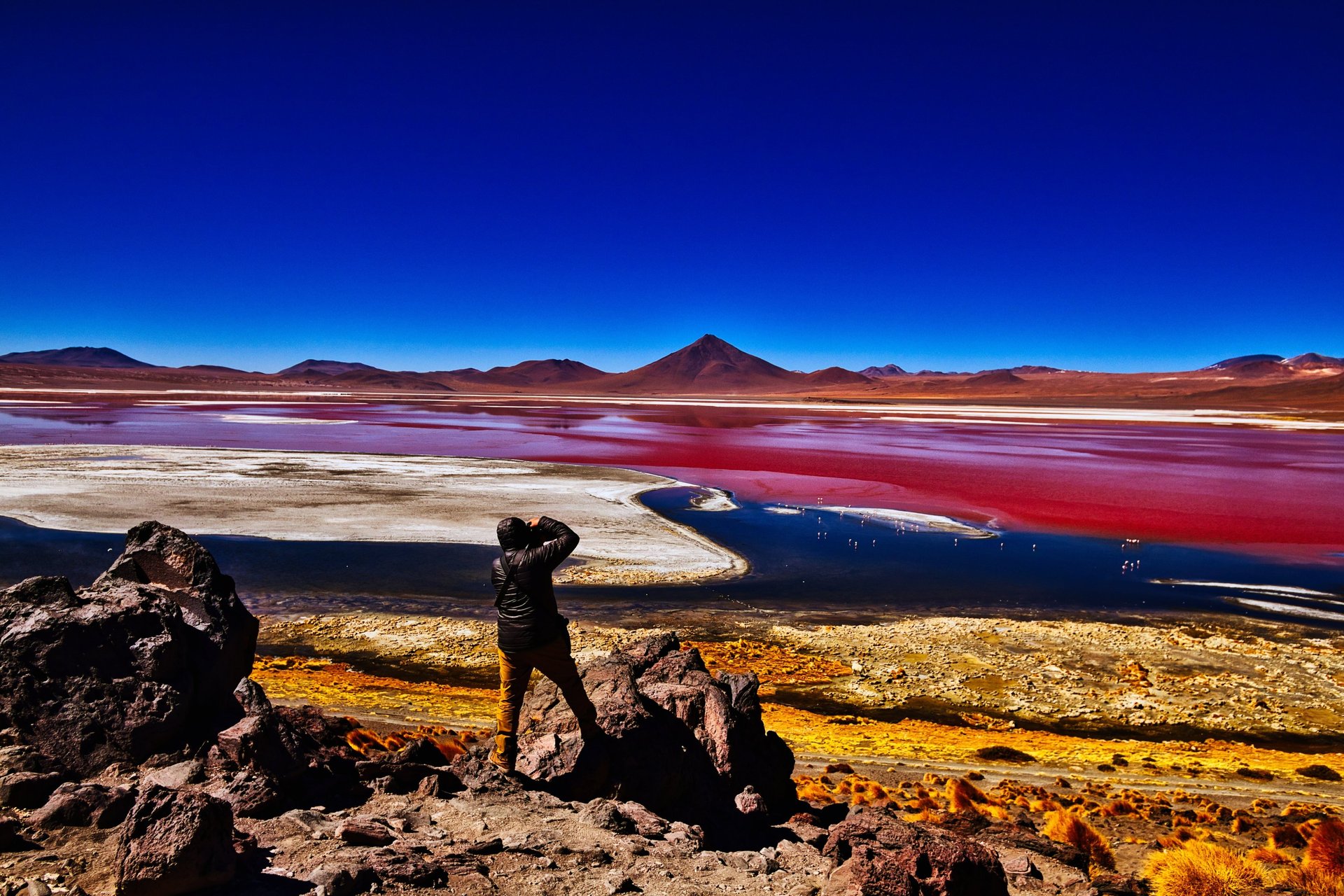
The high Andes provide dramatic landscapes and changing natural light, creating opportunities for environmental portraits, wide contextual compositions, and intimate details.
Cultural Respect Comes First
Photography should begin with connection and respect. We encourage photographers to ask permission, interact respectfully, and understand the cultural context behind the images they create.
Q’eros Andean Portrait Photography Expedition 6 Days Indigenous Culture Photo Tour in Peru
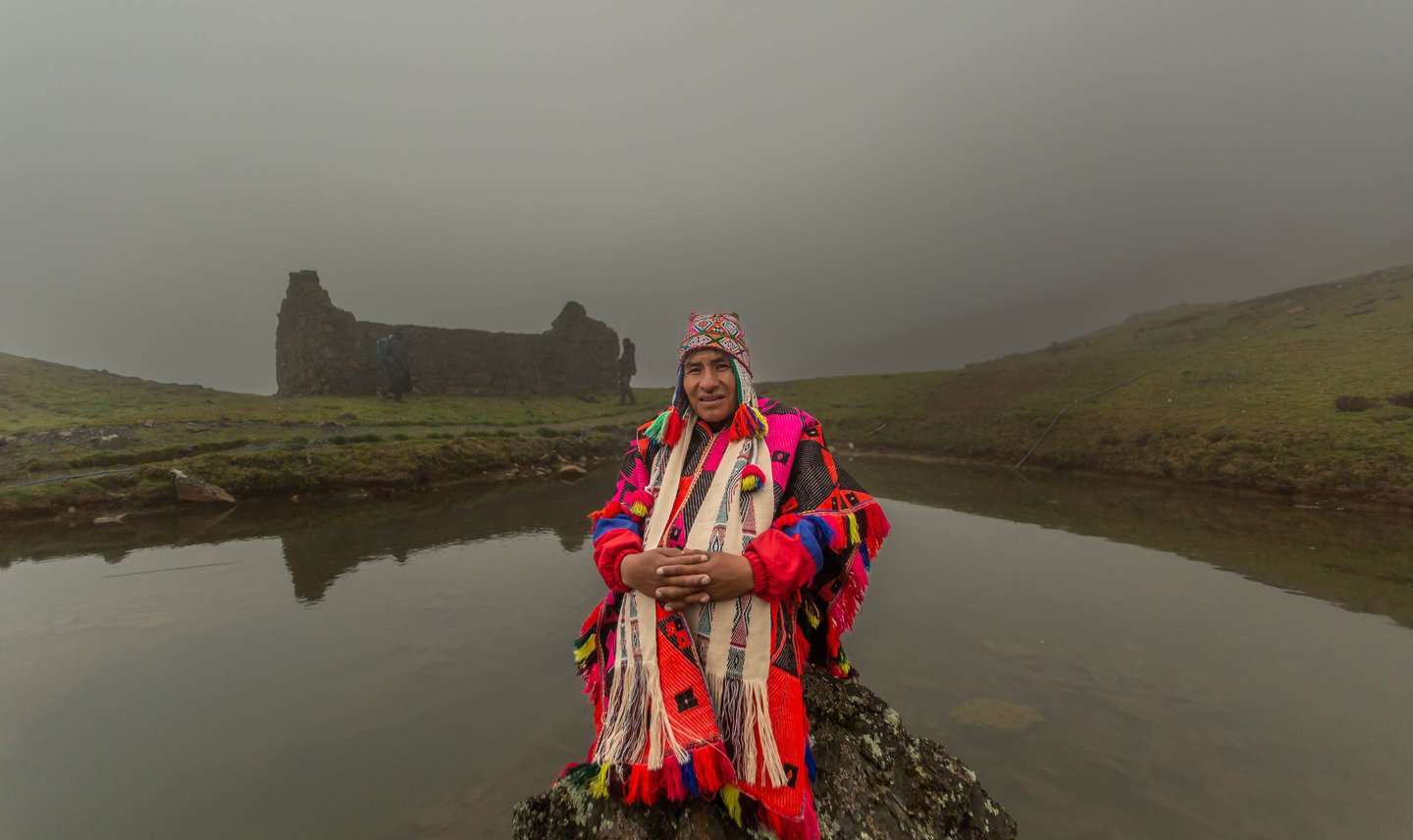
Photography focus: Andean portraits, traditional clothing, cultural details and mountain landscapes.
Travel from Cusco toward Paucartambo and into the highlands, where the landscape changes from the Sacred Valley region to vast Andean grasslands and mountain communities.
Photographic opportunities may include traditional clothing, local architecture, shepherds, alpacas, textiles and environmental portraits against the high-altitude landscape.
Best photography opportunities:
Environmental portraits
Traditional Quechua clothing
Mountain landscapes
Alpacas and rural life
Golden-hour portraits.
. (B,L,D)
Accommodation Tent
Day 1 – Cusco to Paucartambo and Chua Chua
Focus: Cultural portraits, natural light, textures, and Andean identity
Today we leave Chua Chua and follow a remote Andean path through small highland communities, where time feels like it has stood still. As we pass through Challma, you’ll encounter local shepherds, women in traditional woven skirts, and children wrapped in colorful blankets—all set against a dramatic mountain backdrop.
This is a day made for portrait photography. The soft high-altitude light, rich textures of traditional clothing, and expressive faces tell powerful visual stories of life in the Andes.
Pro Portrait Tips:
Ask for permission with a smile—most locals are happy to be photographed when approached respectfully.
Use a fast lens (f/1.8–f/2.8) to beautifully blur the background and focus on the emotion in the eyes.
Frame portraits with elements of daily life: woven baskets, adobe walls, grazing alpacas.
As we ascend to Chimpana camp (4,500 m), the landscape becomes more rugged, with wide open views and crisp, golden light toward sunset. This is a perfect setting for environmental portraits—capturing your subjects in harmony with the vastness around them.
Golden Hour Opportunity: Portraits with backlight from the setting sun, highlighting the textures of hair, hats, and traditional fabrics.
By evening, you'll have a rich collection of visual stories—intimate, real, and deeply connected to the spirit of the Andes.
. (B,L,D)
Accommodation Tent
Day 2: Chua Chua – Challma – Chimpana (4,500 m)
Elevation: 4,500 m ➝ 3,900 m
driving time–1 hours
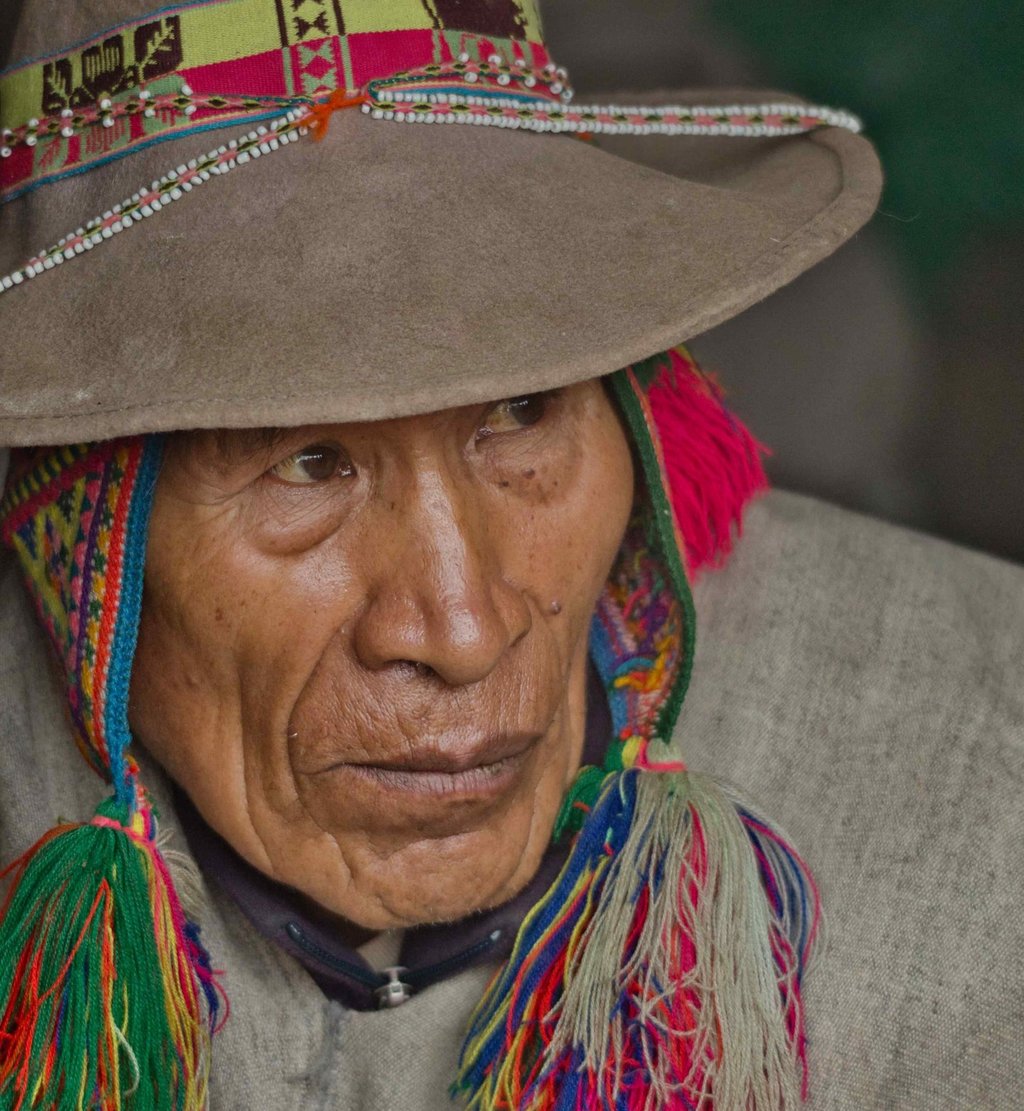
Photography Focus: Authentic Andean portraits, emotional storytelling, and cultural moments
Today’s route takes us deep into traditional highland territory, where timeless faces and rich Andean culture meet a backdrop of raw, untouched beauty.
As we leave Challam, the light is soft and golden—ideal for capturing environmental portraits of local shepherds, women in handwoven mantas, and children walking barefoot with their flocks. These are not posed shots; they’re genuine, fleeting moments of real life at high altitude.
Take your time in villages and resting points. Connect with the people. A smile, a shared coca leaf, or a curious glance often leads to the most powerful portraits—filled with soul, strength, and history.
Pro Tips for the Day:
Use wide apertures (f/1.8–2.8) to isolate your subjects against the dramatic landscapes.
Capture the textures—weathered skin, woolen hats, woven ponchos, and hands that tell stories.
Look for natural frames: doorways, window light in adobe homes, or cliffs that wrap around a shepherd and his animals.
As we descend toward Moqo, the scenery softens into greener pastures, and the golden hour light returns—perfect for that final glow on a wrinkled smile or a lone silhouette against the valley.Stay in tents
Day 3: Challma – Chimpana Qocha – Moqo
Day 4: Qocha Moqo – Munay Tika (4,200 m)
Photography Focus: Authentic Andean portraits, cultural storytelling, mountain backdrops
Today’s journey takes us deeper into the heart of the Andes, where the landscapes are raw, vast, and deeply spiritual. But what makes this day truly special is the human connection. This is one of the best opportunities of the entire trek for capturing soulful Andean portraits.
As we pass through Qocha Moqo and approach Munay Tika, we meet local families living in stone huts with thatched roofs, dressed in beautifully woven traditional clothing. The Quechua word “Munay” means love or beauty—and this place lives up to its name in every way.
Portrait Tips:
Use natural light: Soft, diffused mountain light creates perfect conditions for natural portraits—no harsh shadows, just gentle tones.
Go candid: Capture moments of daily life—herders tending flocks, women spinning wool, children playing with alpacas.
Add context: Frame your subjects with mountains in the background or include elements of their homes and tools. It tells a richer story.
Connect first: A warm smile, a simple “¡Hola!” or “Allinllachu” in Quechua, and showing your camera screen builds trust and invites collaboration.
This is portrait photography at its most powerful—not just faces, but lives, stories, and culture frozen in time at 4,200 meters above sea level.
Optional creative shot: Try shooting wide environmental portraits with a shallow depth of field to separate your subject while keeping the grandeur of the Andes in frame. Stay in tents
Day 5: Munay Tika – Qollpa Qucho (4,200–4,300 m)
Stay Portrait Photography Focus: Andean soul, tradition, texture, and storytelling
Today’s journey leads us deeper into the heart of Andean life, where the mountains meet the people who have called them home for generations. As we hike through Munay Tika to Qollpa Qucho, we pass remote shepherd settlements, humble adobe homes, and wide grazing pastures where time seems to stand still.
This day is a portrait photographer’s dream—offering raw, authentic moments of everyday life in the highlands.
What to Capture:
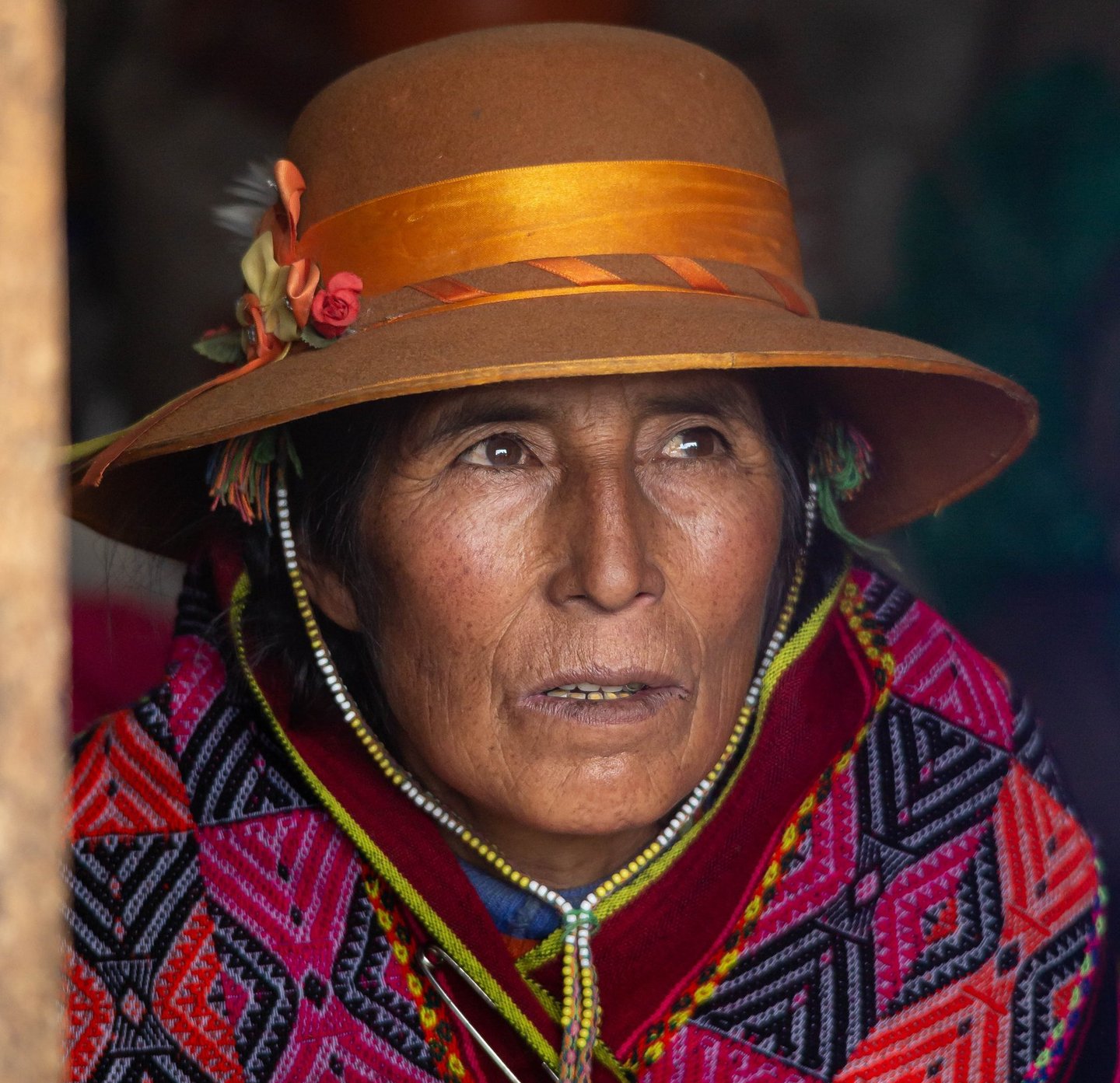
Weathered faces of local shepherds and elderly women, each wrinkle telling a story of wind, sun, and resilience.
Traditional clothing full of textures—hand-woven ponchos, colorful chullos (Andean hats), and layers dyed with natural pigments.
Hands at work—spinning wool, herding alpacas, or tending fire, full of emotion and character.
Candid interactions—children playing, elders laughing, or a moment of solitude in the vastness of the mountains.
This altitude creates a unique quality of light: soft and slightly diffused by the mountain air, giving portraits a gentle contrast and natural warmth. Use a longer lens or shoot wide open to isolate your subject with beautiful depth and a painterly background of stone walls, grazing animals, and snow-capped peaks.
Photo Tip: Always greet with respect, offer a smile, and ask permission when possible. A kind connection often leads to the most honest and powerful portraits.Stay in tents
Day 6: Qollpa Qucho – Kiko – Cusco (4,100 m / 13,451 ft)
Photography Focus: Environmental Portraits, Andean Faces, Traditional Textiles, Life at Altitude
Today offers a golden opportunity to dive deep into portrait photography with a strong storytelling edge. As we descend from Qollpa Qucho, we’ll pass through highland communities where time seems to stand still. Locals in colorful, handwoven garments go about their daily routines surrounded by vast Andean landscapes.
This is a moment to slow down and connect. Capture authentic expressions, weathered faces full of character, and the striking contrast between vivid textiles and the soft earth tones of the high-altitude scenery.
Portrait Tips:
Use natural light—early morning and late afternoon are best for soft, flattering tones.
Frame your subjects with the mountains in the background to tell the story of their connection to the land.
Focus on hands at work, smiles through sunburned cheeks, and details in woven hats and skirts.
Creative Angle: Ask to photograph a shepherd with their alpacas or an elder weaving in front of a stone house. These portraits don’t just capture a face—they capture an entire culture in context.
Be respectful and always ask permission before taking portraits—offering a smile and showing the photo goes a long way. stay in tents
Who Is This Q’eros Photography Tour For?
This expedition is designed for photographers who want to go beyond conventional sightseeing and spend meaningful time photographing people and culture in the Peruvian Andes.
It is particularly suitable for:
Portrait photographers interested in environmental and cultural portraiture.
Documentary photographers looking for authentic human stories.
Travel photographers who want to explore Peru beyond the main tourist routes.
Cultural photographers interested in Quechua traditions, textiles, and daily life.
Visual storytellers who want to build a cohesive photographic narrative.
Experienced photographers looking for a remote and immersive photography expedition.
You do not need to be a professional photographer. The expedition can be adapted to different photographic styles and experience levels.
Andean portrait photography
Q’eros portrait photography
environmental portrait photography Peru
documentary photography Peru
Portrait Photography
Documentary Photography
Cultural Photography
Environmental Portraiture
Travel Photography
Andean Landscape Photography
Your Photography Experience
Small-group or private photography experience
Professional photography guidance
Authentic cultural interaction
Remote Andean communities
Photography-focused itinerary
Environmental portrait opportunities
Cultural and documentary storytelling
Responsible photography
Why Photograph Q’eros With Photo Tours Peru?
Q’eros is not simply a destination for taking photographs. It is an opportunity to slow down, observe, connect with people, and build meaningful visual stories.
Our photography-focused itinerary is designed around the needs of photographers, allowing time for portraits, cultural details, landscapes, changing light, and spontaneous moments.
Rather than rushing from one sightseeing location to another, the expedition creates space for observation and interaction.
You can photograph the people, traditions, textiles, landscapes, and everyday details that make the high Andes visually and culturally distinctive—while approaching each encounter with respect for the local community.
Is the Q’eros photography tour suitable for portrait photographers?
Yes. The expedition is particularly suited to photographers interested in environmental portraits, cultural photography, documentary storytelling, traditional textiles, and everyday life in the Andes.
Do I need professional photography experience?
No. The experience can accommodate photographers with different levels of experience, although a basic understanding of camera settings will help you make the most of the photographic opportunities.
What type of photography can I do in Q’eros?
The main photographic themes include environmental portraits, documentary photography, cultural photography, traditional textiles, daily life, mountain landscapes, and travel photography.
Can I photograph local people?
Photography should always be approached respectfully. We encourage photographers to ask permission and follow local customs when photographing people and cultural activities.
How high is the Q’eros photography tour?
The itinerary reaches approximately 4,500 meters (14,764 feet), according to the current itinerary published on Photo Tours Peru.
Is this a difficult photography expedition?
The itinerary involves travel and walking at high altitude, including sections around 4,000–4,500 meters. Physical preparation and appropriate acclimatization are important.
What camera equipment should I bring?
A versatile zoom lens, a portrait lens, extra batteries, memory cards, weather protection, and a lightweight tripod can be useful. Your equipment should be appropriate for high-altitude conditions.
INCLUDED:
Transfer in out to the airport of Cusco City.
All the fees to the cultural places
All the meals Breakfast, Lunch, Dinner
Private Transportation
Cook
1 Ceremony
Assistant Cook
Professional Guide
NOT INCLUDED
Fly tickets
Anything is not mentioned in this itinerary
Alcoholic drinks
Tips to the team
Contributions to qeros village I already ask them how it will work this they will have meeting this
Information
Price per person:2026
Price Per Person (USD)
1 Person (Solo)$3500
2 People $2,500
3 People $2,300
4 People $2,000
5 People $1,700
6 People $1,500
Green Team Commitment – Responsible Photography with Photo Tours Peru
At Photo Tours Peru, we believe photography should protect the places we explore. Every photography expedition—from the Andes to the Amazon—is guided by a Green Team philosophy, ensuring that our tours respect nature, wildlife, and local communities.
Our goal is simple: capture extraordinary images while leaving every location better than we found it.
1. Leave No Trace Photography
Our photography tours follow the internationally recognized Leave No Trace principles, which emphasize minimizing environmental impact when traveling in nature.
Key practices include:
• Carry out all trash and waste
• Avoid single-use plastic bottles
• Stay on established trails and paths
• Do not move rocks, plants, or natural elements for photos
• Leave archaeological sites and landscapes untouched
These practices protect fragile ecosystems and help preserve natural landscapes for future generations.
2. Respect Wildlife and Natural Habitats
Wildlife photography requires patience and responsibility.
On our tours we:
• Observe animals from a safe distance
• Never feed or disturb wildlife
• Avoid loud noise or sudden movement
• Use telephoto lenses instead of approaching animals
If wildlife changes behavior, it means the photographer is too close and must move away.
3. Protect Cultural Heritage
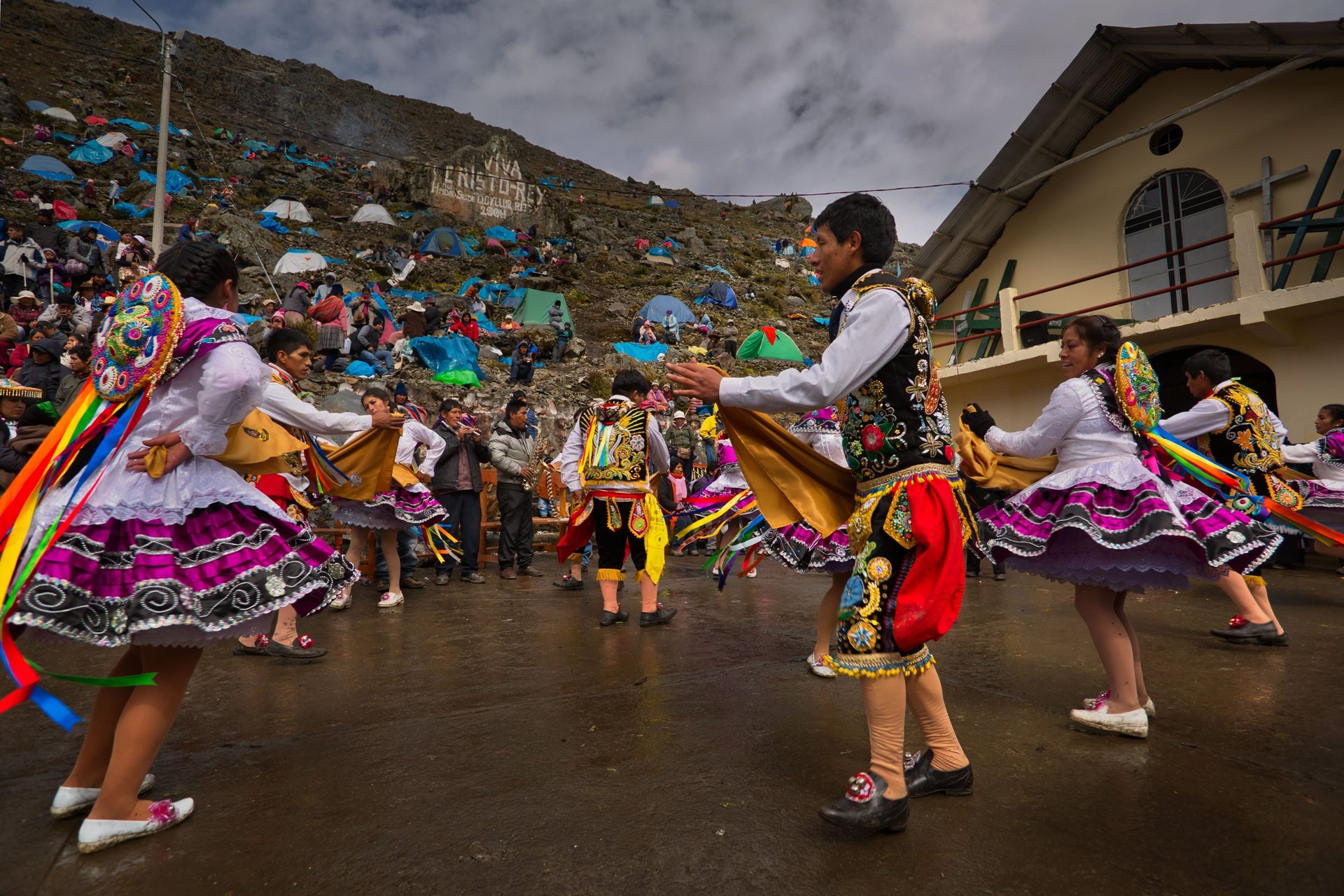
Many photography tours visit indigenous communities and historic sites.
Our Green Team approach includes:
• Always asking permission before photographing people
• Respecting cultural traditions and sacred places
• Supporting local artisans and communities
• Avoiding staged or exploitative photography
Photography should tell respectful human stories, not exploit them.
4. Small Group Photography Expeditions
All Photo Tours Peru expeditions prioritize small groups to reduce environmental impact.
Benefits:
• Less pressure on fragile ecosystems
• More respectful interaction with local communities
• Better photography opportunities
• Lower environmental footprint
Sustainable photo tours often limit groups to ensure minimal disturbance to nature.
5. Support Local Communities
Responsible tourism helps protect destinations when local people benefit from tourism.
Photo Tours Peru supports:
• Local guides and communities
• Family-owned lodges and homestays
• Indigenous cultural projects
• Local conservation initiatives
When communities benefit economically from tourism, they are more motivated to protect their environment and culture.
Contact
Email: phototourperu@gmail.com
Phone: +51 940188346
© 2025. All rights reserved.
Designed by Zihna