
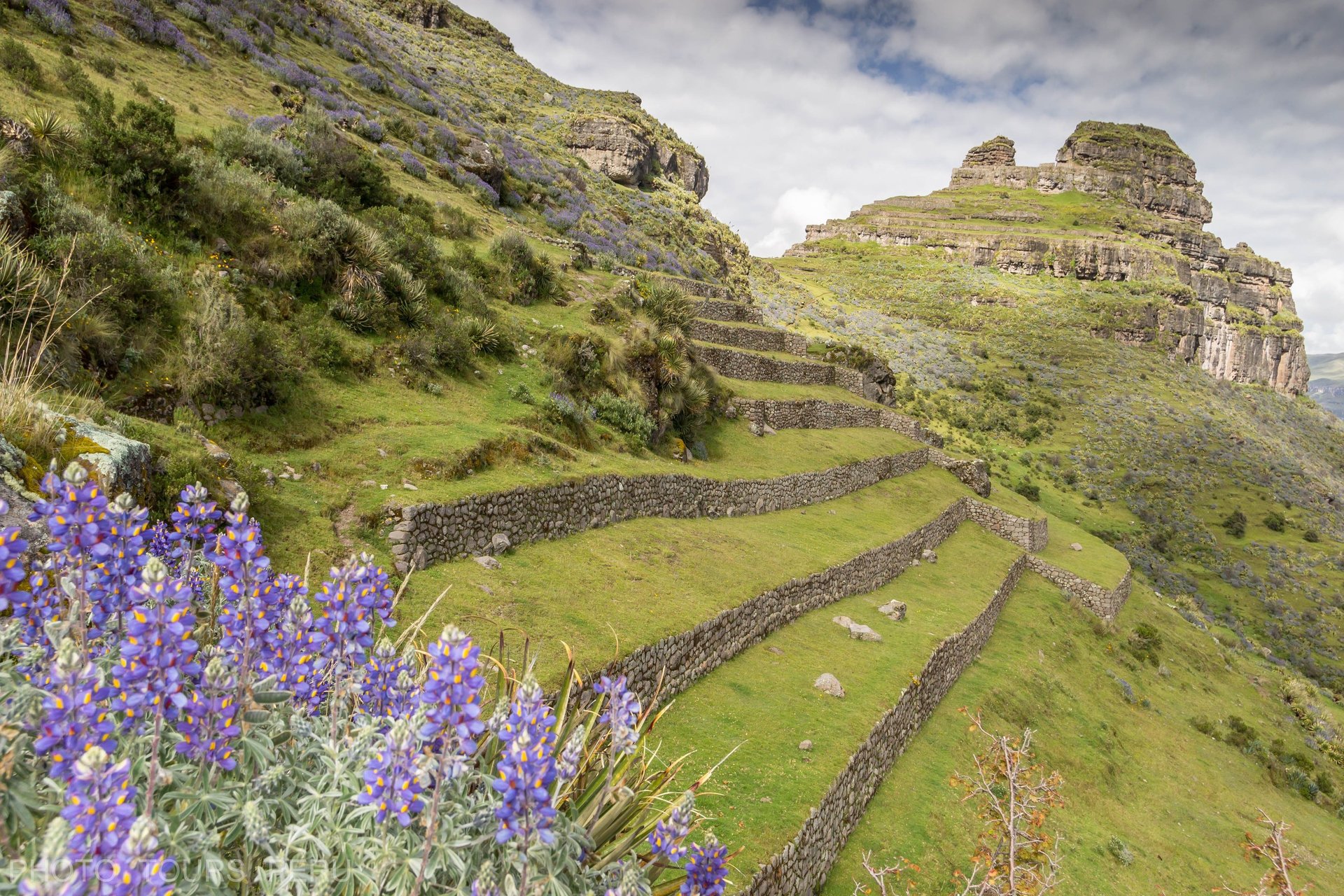
Waqrapukara Photography Tour: Milky Way & Night Sky – 3 Days
Home / Stargazing & Waqrapucara Photo Trek 3 Day
Join Photo Tours Peru for a 3-day Waqrapukara photography adventure combining dramatic Andean landscapes, Inca archaeology and night-sky photography. Designed for photographers of different experience levels, the trip gives you dedicated time to work with golden-hour light, blue hour, sunrise and the Milky Way.
Photograph Waqrapukara under some of the most dramatic skies in the Peruvian Andes on a 3-day astrophotography trek designed for photographers. This journey combines Andean landscape photography, golden-hour compositions, sunrise sessions and dedicated opportunities to photograph the Milky Way above the ancient Waqrapukara sanctuary..
Located high in the southern Andes of Cusco, Waqrapukara—known as the Horned Fortress—offers exceptionally dark skies, minimal light pollution, and breathtaking cliff-top viewpoints, making it one of the best stargazing and astrophotography destinations in Peru.
This immersive trek is specially designed for photographers, night-sky lovers, and adventure travelers, offering extended time for Milky Way photography, long-exposure techniques, sunrise landscapes, and cultural storytelling far from the crowds of Machu Picchu.
What Makes It Special
Remote Andean astrophotography experience — Far from city lights, ideal for long exposures and star trails.
Milky Way photography Peru Andes — Capture the galactic core arcing over ancient Inca walls at high altitude.
Cusco stargazing and trekking tour — Combines moderate hiking with expert guidance and photography tips.
Landscape and night sky photography tour — Shoot rugged canyon panoramas at golden hour and night sky compositions later.
Who Is This Waqrapukara Photography Tour For?
This 3-day photography trek is suitable for photographers who want to combine landscape photography and astrophotography in the Peruvian Andes.
Landscape photographers
Astrophotographers
Nightscape photographers
Amateur photographers
Enthusiast photographers
Advanced photographers
Travelers interested in photography
DSLR and mirrorless photographers
Y podríamos añadir:
No professional photography experience is required. The itinerary can be adapted to different photography levels, from photographers learning the basics of night photography to experienced shooters looking for new Andean compositions..
Is Waqrapukara good for astrophotography?
Yes. Waqrapukara's remote highland setting and open horizons can provide excellent conditions for astrophotography when weather, visibility and lunar conditions are favorable.
Can I photograph the Milky Way at Waqrapukara?
Yes. The itinerary includes dedicated nighttime photography opportunities for the Milky Way, subject to weather, seasonal visibility and moon conditions.
What camera should I bring for Waqrapukara astrophotography?
A DSLR or mirrorless camera with a fast wide-angle lens is recommended. A sturdy tripod, spare batteries and memory cards are also important for night photography.
Is this Waqrapukara trek suitable for beginner photographers?
Yes. The tour is suitable for different photography levels. Beginners can receive guidance with camera settings, focusing, composition and long-exposure techniques.
How high is Waqrapukara?
Waqrapukara is located at approximately 4,300 meters (14,100 feet) above sea level.
How difficult is the Waqrapukara photography trek?
The trek involves hiking at high altitude, so participants should be prepared for changing weather, cold temperatures and physically demanding sections of the trail.
What can I photograph besides the Milky Way?
Depending on conditions, photographers can work with golden-hour landscapes, sunrise, star trails, silhouettes, archaeological details, mountain scenery and Andean cultural landscapes..
Waqrapukara Astrophotography & Milky Way Photography
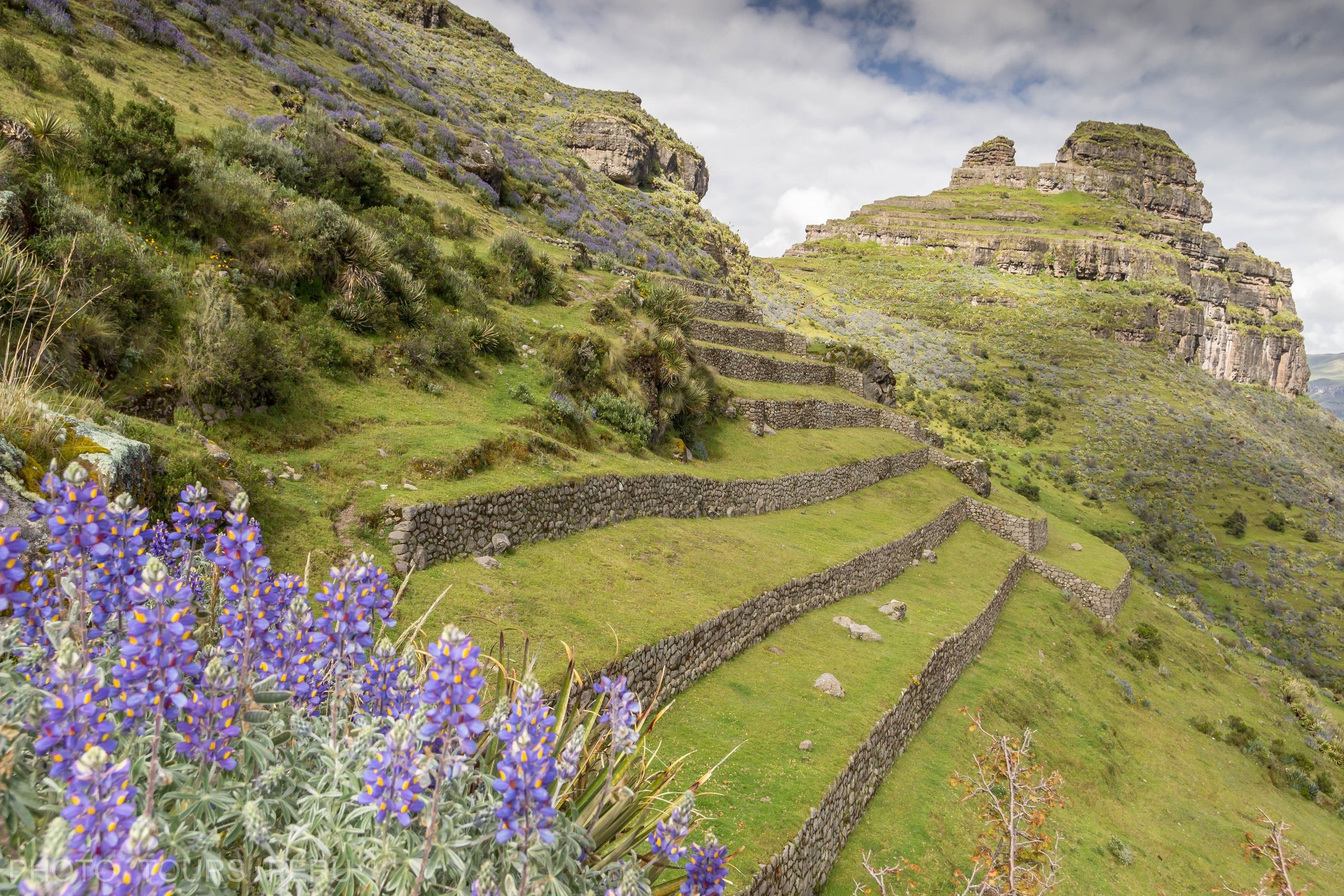
Photography Focus: Dramatic canyon landscapes, ancient Inca fortress, sunset silhouettes, and high-altitude astrophotography
We depart Cusco early in the morning and head south to Pitumarca, a small Andean village surrounded by wide-open valleys and traditional farms. From here, we begin our trek through a rugged, lesser-known landscape of red canyons, high plateaus, and winding Inca trails.
The highlight of the day is arriving at Waqrapukara, the majestic Inca site perched on a cliff, overlooking a dramatic canyon carved by the Apurímac River. Known as the "Horned Fortress" for its unique double-peaked rock formations, Waqrapukara is an awe-inspiring location with 360° views of untouched wilderness.
Golden Hour Magic: As the sun dips low, the warm light casts long shadows across the landscape. Capture the stone ruins silhouetted against the canyon below, or use a wide-angle lens to include both the sky and the stonework in one dramatic frame.
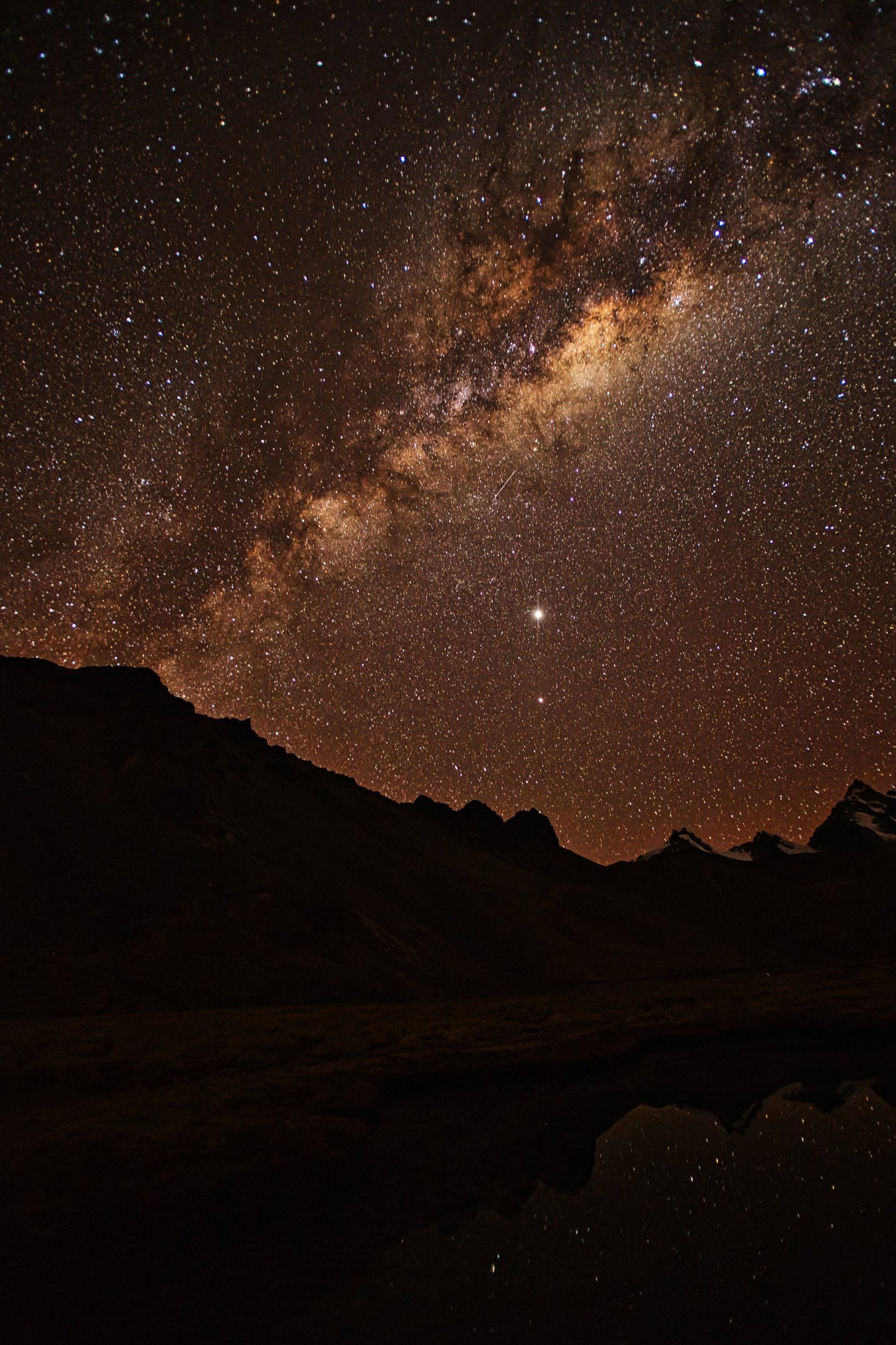
Astrophotography at WaqrapukaraWhen night falls, Waqrapukara transforms into an astrophotographer’s dream. With zero light pollution and high-altitude clarity, the Milky Way stretches boldly across the sky, right above the twin rock spires of the fortress.
Best Night Photography Ideas:
Frame the Waqrapukara ruins beneath the galactic core
Shoot wide-angle star trails around the peaks
Light-paint the fortress walls for a mystical glow
Use your tent as a warm light source in the foreground
Tip: The calm, quiet atmosphere up here creates a powerful setting for long exposures and timelapses. Be ready for a cold but unforgettable night of shooting under the stars.
Day 1: Cusco – Pitumarca Village – Waqrapukara (4,300 m / 14,108 ft)
Photography Focus: Dramatic Andean landscapes, ancient ruins, golden hour, and elite-level astrophotography
Altitude: ~4,300 m / 14,100 ft
After a scenic hike through highland plateaus and dramatic canyons, we arrive at one of Peru’s most mystical and less-visited wonders: Waqrapukara, the "Horned Fortress" perched on a rocky promontory surrounded by deep valleys and rolling ridgelines.
As the light begins to soften, the golden hour transforms this ancient site into a surreal landscape. Stone structures cast long shadows across the grasslands, while the horn-like rock formations glow with warm tones. Every angle offers a striking composition—perfect for wide-angle landscape shots, detail work with long lenses, and timelapse setups.
Golden Hour Tips:
Use foreground textures (stone ruins, wild grasses) to frame the fortress.
Capture silhouettes of the horned rocks against a glowing sky.
Experiment with drone photography (if permitted) for sweeping aerials.
Astrophotography at WaqrapukaraWhen the sun dips and the sky turns deep blue, Waqrapukara becomes an astrophotographer’s paradise. Far from city lights and crowds, this sacred site offers uninterrupted views of the Milky Way, making it one of the most powerful and spiritual locations for night photography in Peru.
Must-Capture Shots:
Milky Way arching above the twin horned spires of Waqrapukara
Light-painting the ruins with a soft glow beneath a star-filled sky
Silhouettes and star trails around the fortress using long exposures
Moonlit magic, if you have a partial moon illuminating the scene
Pro Tips:
Use a fast wide-angle lens (f/2.8 or faster) for the stars
Bring a sturdy tripod—winds can sweep across the cliffs
Arrive early to scout compositions during daylight
Keep your tent or campfire light subtle to avoid overexposing your frames
Waqrapukara at night is more than a photography spot—it’s an experience. You’ll feel the ancient energy of the place as you frame the stars above structures built centuries ago. The silence, the height, and the starlight create images—and memories—that last a lifetime.
Day 2: Waqrapukara – The Fortress Among Stars
1 people : US$1050.00 per person
2 people : US$800.00 per person
3 people: US$750.00 per person
4 people : US$700.00 per person
5 people : US$650.00 per person
6 people : US$600.00 per person
7+ people : US$550.00 per person
Price Based Per Person:2026
Photography Focus: Epic Inca fortress views, canyon landscapes, golden hour, and pristine night skies
After sunrise at Waqrapukara, take time to explore this lesser-known Inca sanctuary perched dramatically above a canyon. Framed by towering rock formations and sheer drops, Waqrapukara offers a spectacular setting for wide-angle compositions and dramatic scale shots.
As we begin the trek toward the community of Campi, the trail winds through high Andean plateaus, remote valleys, and sweeping views of the Apurímac Canyon. Along the way, you’ll pass herds of llamas, traditional stone homes, and expansive views that stretch endlessly into the horizon.
Golden Hour Tip: As the sun dips low, the mountains and canyon walls glow with rich orange and pink tones—perfect for capturing depth, contrast, and dynamic skies. Look for leading lines in the trail and ridgelines to guide your viewer’s eye through the frame.
Day 3: Waqrapukara – Community of Campi
Green Team Commitment – Responsible Photography with Photo Tours Peru
At Photo Tours Peru, we believe photography should protect the places we explore. Every photography expedition—from the Andes to the Amazon—is guided by a Green Team philosophy, ensuring that our tours respect nature, wildlife, and local communities.
Our goal is simple: capture extraordinary images while leaving every location better than we found it.
1. Leave No Trace Photography
Our photography tours follow the internationally recognized Leave No Trace principles, which emphasize minimizing environmental impact when traveling in nature.
Key practices include:
• Carry out all trash and waste
• Avoid single-use plastic bottles
• Stay on established trails and paths
• Do not move rocks, plants, or natural elements for photos
• Leave archaeological sites and landscapes untouched
These practices protect fragile ecosystems and help preserve natural landscapes for future generations.
2. Respect Wildlife and Natural Habitats
Wildlife photography requires patience and responsibility.
On our tours we:
• Observe animals from a safe distance
• Never feed or disturb wildlife
• Avoid loud noise or sudden movement
• Use telephoto lenses instead of approaching animals
If wildlife changes behavior, it means the photographer is too close and must move away.
3. Protect Cultural Heritage
Many photography tours visit indigenous communities and historic sites.
Our Green Team approach includes:
• Always asking permission before photographing people
• Respecting cultural traditions and sacred places
• Supporting local artisans and communities
• Avoiding staged or exploitative photography
Photography should tell respectful human stories, not exploit them.
4. Small Group Photography Expeditions
All Photo Tours Peru expeditions prioritize small groups to reduce environmental impact.
Benefits:
• Less pressure on fragile ecosystems
• More respectful interaction with local communities
• Better photography opportunities
• Lower environmental footprint
Sustainable photo tours often limit groups to ensure minimal disturbance to nature.
5. Support Local Communities
Responsible tourism helps protect destinations when local people benefit from tourism.
Photo Tours Peru supports:
• Local guides and communities
• Family-owned lodges and homestays
• Indigenous cultural projects
• Local conservation initiatives
When communities benefit economically from tourism, they are more motivated to protect their environment and culture.
Email us Please...
Contact
Email: phototourperu@gmail.com
Phone: +51 940188346
© 2025. All rights reserved.
Designed by Zihna