Colca Canyon Cultural Portrait Photography Tour – 4 Days
Home / Colca Canyon Cultural Portrait Photography Tour 4 Days

Experience the people, traditions, and landscapes of southern Peru on a Colca Canyon portrait photography tour designed for photographers who want to go beyond the typical tourist experience and create meaningful images of Andean life.
From the highlands around Puno to the spectacular landscapes of the Colca Valley, this 4-day Colca Canyon tour combines Peru portrait photography, Andean cultural photography, documentary storytelling, and dramatic mountain scenery. The journey takes you through traditional communities where ancestral agricultural practices, textiles, clothing, architecture, and everyday customs remain an important part of local life.
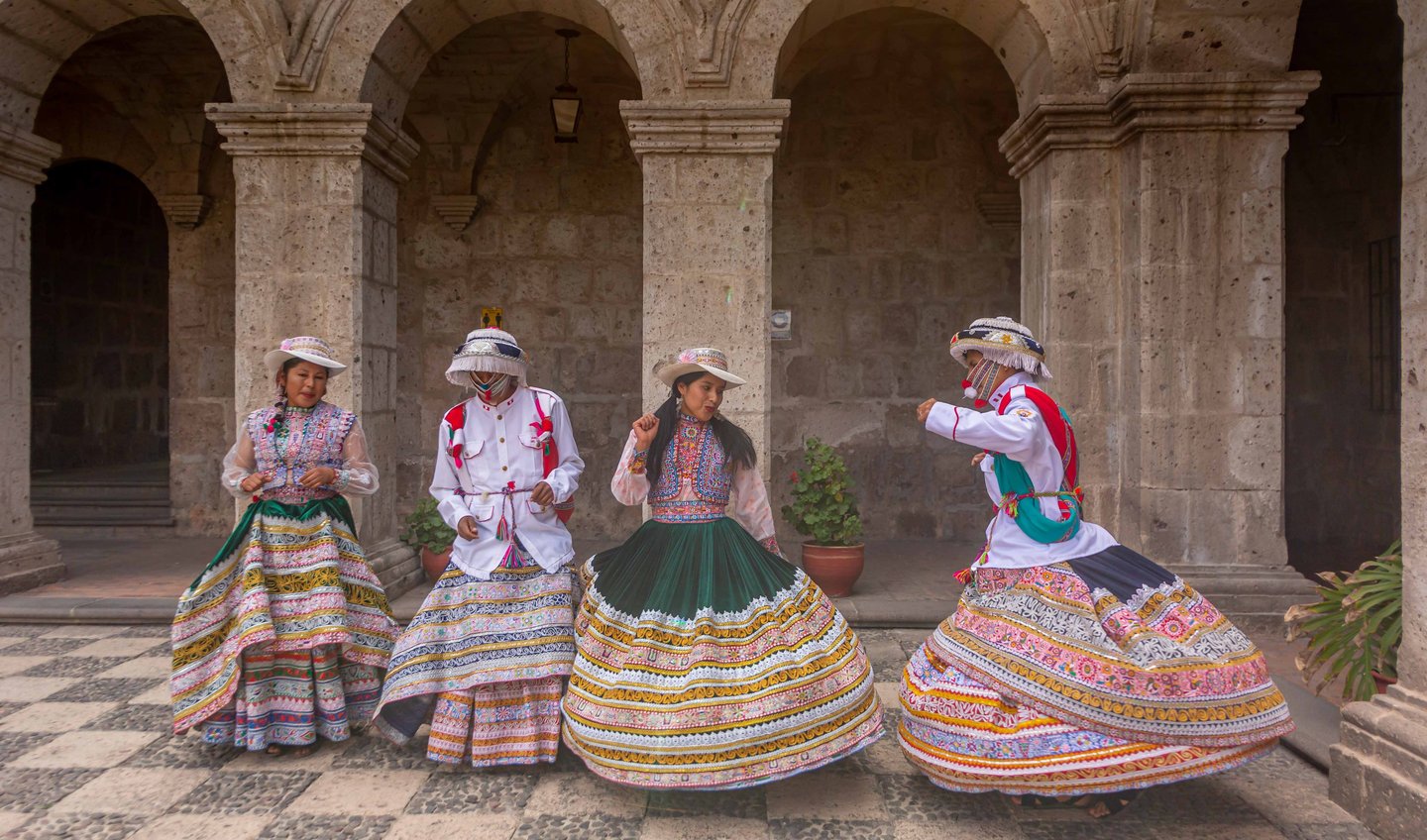
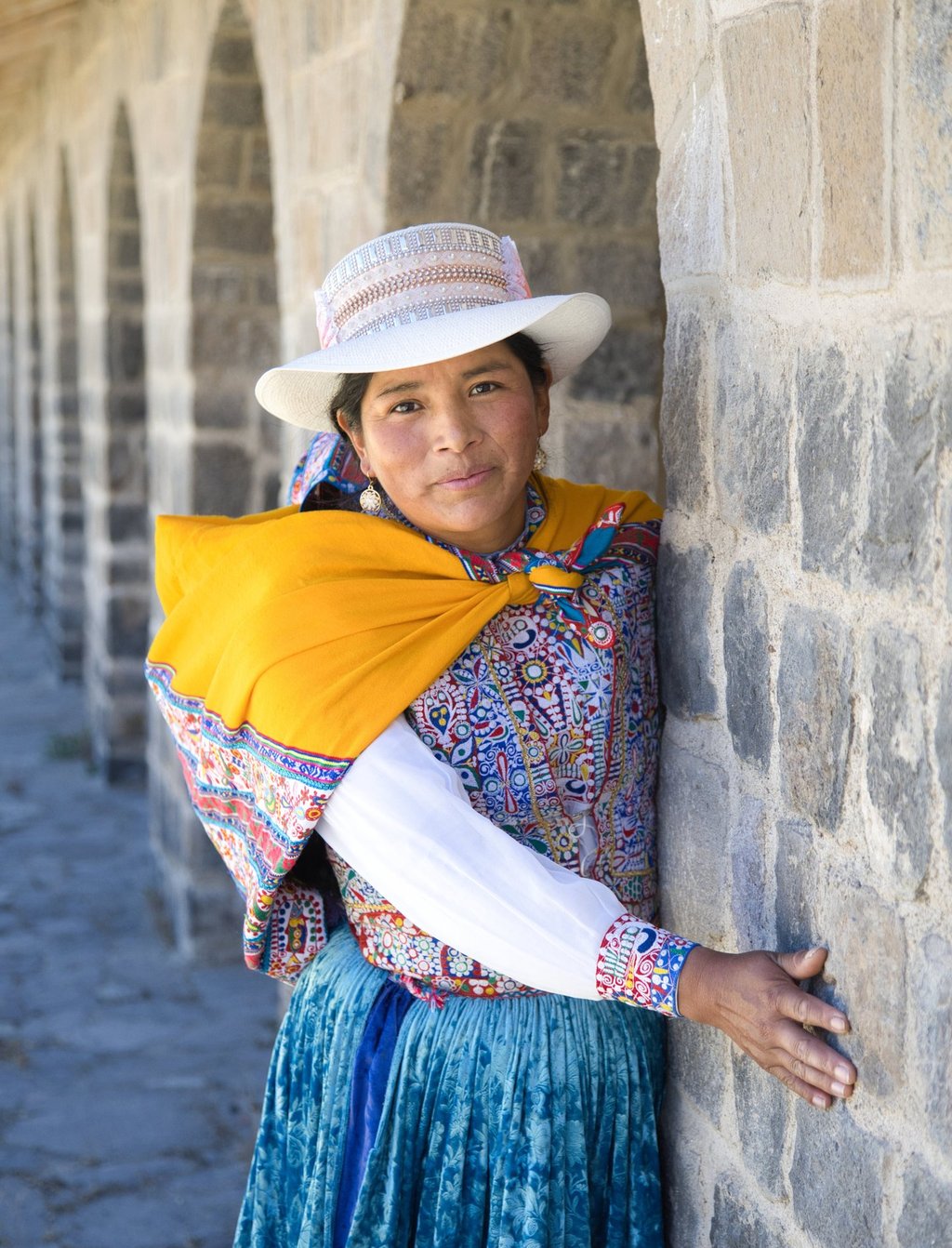
Travel through remote Andean landscapes and discover communities such as Sibayo, Coporaque, and Yanque, each offering a distinctive cultural setting for photography. With time to explore at a relaxed pace, photographers can create environmental portraits of local families, farmers, artisans, shepherds, and community members while photographing the surrounding mountains and rural landscapes.
The emphasis is on authentic cultural encounters and respectful portrait photography. Instead of relying on staged performances, the experience encourages photographers to observe daily life, interact with local people, and create images that reveal the connection between people, culture, and the extraordinary environment of the Colca Valley.
Portraits, Culture & Landscape
The Colca region provides an exceptional variety of photographic opportunities. Photograph traditional Andean clothing and textiles, local craftsmanship, agricultural terraces, rural architecture, markets, mountain villages, and everyday activities. The dramatic terrain provides natural backdrops for environmental portraits while the changing Andean light adds depth and atmosphere to your images.
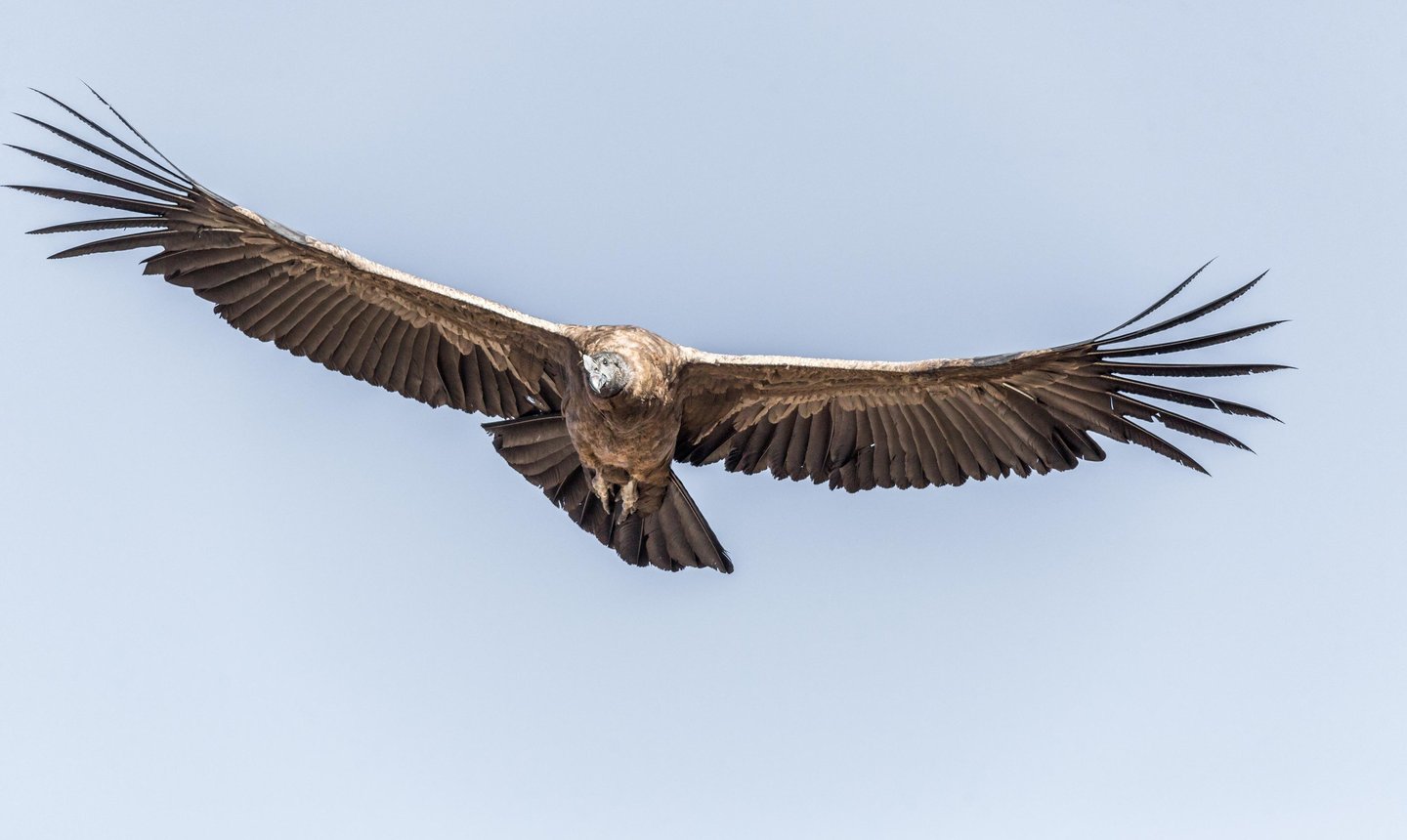
The journey also includes the spectacular Cruz del Condor, where you can photograph Andean condors gliding above the immense Colca Canyon. This creates a unique combination of wildlife, landscape, and cultural photography within the same photographic journey.
Designed for Photographers
This experience is ideal for portrait photographers, travel photographers, documentary photographers, and cultural photography enthusiasts looking for genuine stories rather than simply collecting tourist snapshots.
Why Choose This Colca Canyon Photography Expedition?
Day 1 – Arequipa & Monastery of Santa Catalina
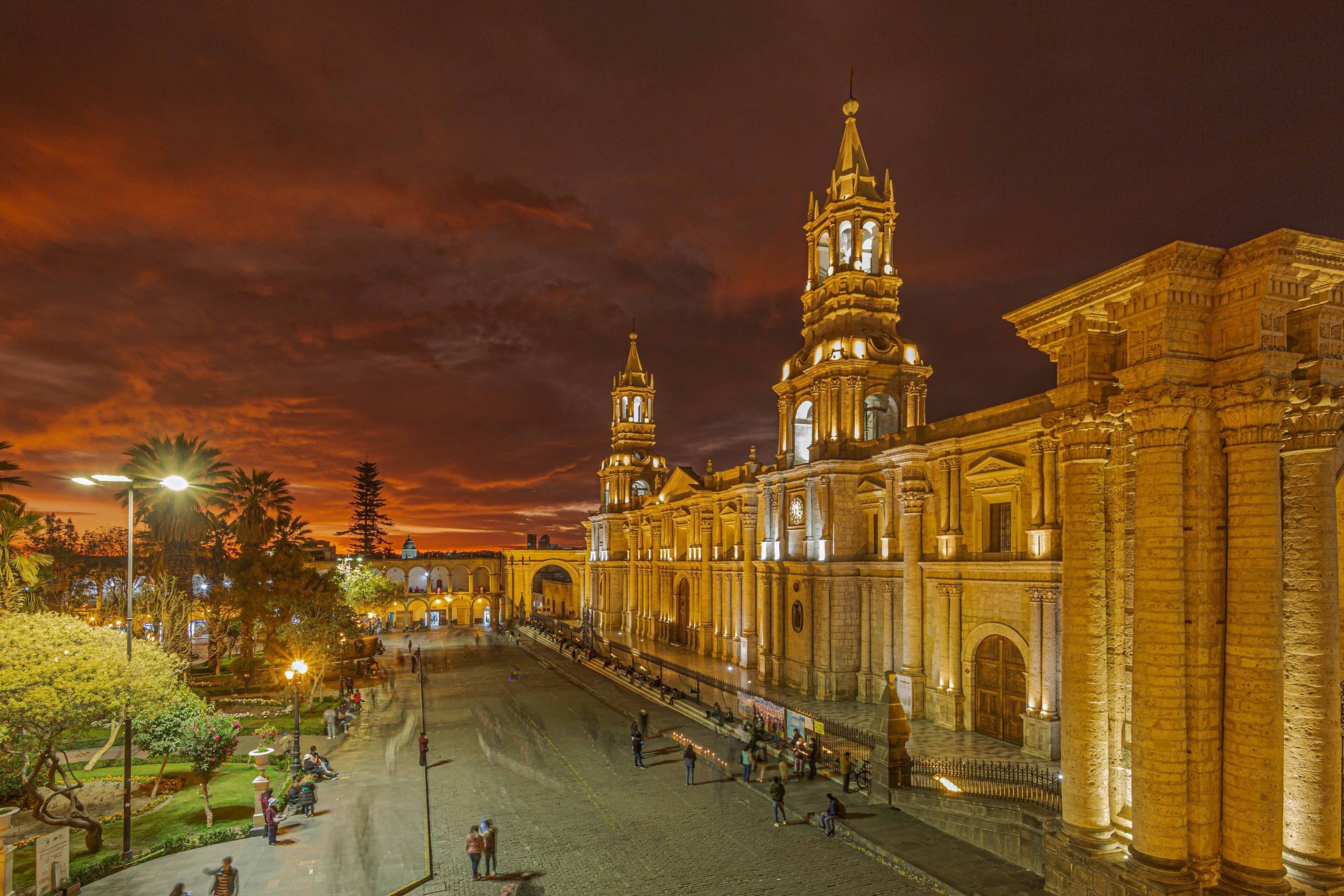
Your Arequipa city photography tour begins in Peru's "White City," built from volcanic sillar stone. Morning light transforms the historic center into a photographer's dream—colonial facades glow soft pink, and shadows carve depth into baroque doorways.
The afternoon focuses on the Monastery of Santa Catalina photography session. This 16th-century citadel within a city is a masterpiece of color and texture—vivid blue, orange, and red walls frame serene courtyards. We concentrate on architectural details, light play through arched corridors, and candid moments of the nuns who still inhabit this walled world.
Sunset photography in Arequipa concludes the day from a rooftop vantage, capturing the city bathed in golden light against the backdrop of three volcanoes: Misti, Chachani, and Pichu Pichu.
Overnight: Arequipa
Day 2: Arequipa to Sibayo – Entering the Andes
Leave the city behind for the high Andes. Our route climbs through Reserva Nacional de Salinas y Aguada Blanca, where wild vicuñas graze against snow-capped peaks. This transition zone offers landscape photography opportunities before we reach our true destination.
Sibayo village photography introduces you to authentic Andean portrait photography. This traditional settlement remains largely untouched by tourism. We spend the afternoon building relationships with local families—photographing stone houses with thatched roofs, elders in traditional dress, and the intricate textile work that defines Colca Valley identity.
The golden hour here is magical. As sunset illuminates the canyon rim, warm light floods the village, creating perfect conditions for environmental portraits that place human stories within this dramatic geography.
Overnight: Homestay or lodge in Sibayo
Day 3: Sibayo to Coporaque – Canyon Depths
The journey from Sibayo to Coporaque photography tour follows ancient Inca pathways along the canyon's edge. Morning mist rises from the river 3,000 meters below, creating ethereal layers for landscape compositions.
Coporaque portrait photography offers a different perspective of Colca life. This agricultural village sits at a lower elevation, where the climate softens and gardens flourish. We photograph farmers tending pre-Inca terraced fields, artisans crafting traditional pottery, and the unguarded moments of daily existence.
The afternoon allows for a deeper dive into cultural photography in Colca Canyon—perhaps documenting a family preparing chicha (traditional corn beer) or a weaver demonstrating techniques passed down through centuries. These sessions prioritize consent and connection, resulting in portraits with genuine emotional weight.
Evening brings the chance for night sky photography in Colca Canyon—minimal light pollution and high altitude create stunning Milky Way opportunities over the canyon's silhouette.
Overnight: Lodge in Coporaque
Day 4: Coporaque to Cruz del Condor & Return to Arequipa
The final day delivers the iconic Cruz del Condor photography experience. We arrive early to catch the morning thermals that launch Andean condors—the world's largest flying birds—from canyon depths. These majestic creatures with 3-meter wingspans soar eye-level with our viewpoint, offering wildlife photography opportunities that rival any in South America.
But the morning isn't just about birds. The Cruz del Condor portrait photography potential lies in capturing the human wonder of fellow travelers and local observers against this staggering geological backdrop—the canyon stretches deeper than any on Earth.
Our return to Arequipa includes strategic stops for final landscape shots and potential impromptu portrait sessions in roadside villages. By evening, you'll return with a portfolio spanning architecture, culture, wildlife, and stunning landscape photography in Peru.
Tour Highlights
Portrait Photography Focus
Dedicated time for Andean portrait photography in three distinct communities, building trust for authentic character studies.
Architectural Heritage
Exclusive access to Monastery of Santa Catalina during optimal light conditions—one of Peru's most photogenic colonial sites.
Condor Wildlife Photography
Two sessions at Cruz del Condor maximizing chances for dramatic flight shots against canyon backdrops.
Altitude & Atmosphere
Work from 2,300m (Arequipa) to 4,900m (Salinas Reserve), mastering exposure in thin, clear mountain air.
Cultural Immersion
Nights in Sibayo and Coporaque—not tourist hotels—creating genuine relationships with subjects.
Small Group Advantage
Maximum 6 photographers ensures individual coaching and unhurried shooting time.
Who This Tour Is For
Portrait photographers seeking authentic cultural subjects
Documentary photographers building Andean portfolios
Travel photographers wanting professional photography tours in Peru
Intermediate to advanced shooters comfortable with manual settings
Those who value slow travel photography over rushed sightseeing
Best Time to Book
April–November: Dry season, clearest skies, active condors
June–August: Peak season—book 3+ months ahead
December–March: Green season, fewer tourists, moody atmospheric conditions
Ready to capture the soul of the Andes?
Contact us to reserve your place on this intimate Arequipa Colca Canyon portrait photography tour—where every frame tells a story.
Pricing: Per Person 2026
Group Size Price Per Person
1 person $1,650 USD
2 people $1,200 USD
3 people $1,100 USD
4-6 people $1000 USD
Solo traveler supplement: $180 USD (private room)
Green Team Commitment – Responsible Photography with Photo Tours Peru
At Photo Tours Peru, we believe photography should protect the places we explore. Every photography expedition—from the Andes to the Amazon—is guided by a Green Team philosophy, ensuring that our tours respect nature, wildlife, and local communities.
Our goal is simple: capture extraordinary images while leaving every location better than we found it.
1. Leave No Trace Photography
Our photography tours follow the internationally recognized Leave No Trace principles, which emphasize minimizing environmental impact when traveling in nature.
Key practices include:
• Carry out all trash and waste
• Avoid single-use plastic bottles
• Stay on established trails and paths
• Do not move rocks, plants, or natural elements for photos
• Leave archaeological sites and landscapes untouched
These practices protect fragile ecosystems and help preserve natural landscapes for future generations.
2. Respect Wildlife and Natural Habitats
Wildlife photography requires patience and responsibility.
On our tours we:
• Observe animals from a safe distance
• Never feed or disturb wildlife
• Avoid loud noise or sudden movement
• Use telephoto lenses instead of approaching animals
If wildlife changes behavior, it means the photographer is too close and must move away.
3. Protect Cultural Heritage
Many photography tours visit indigenous communities and historic sites.
Our Green Team approach includes:
• Always asking permission before photographing people
• Respecting cultural traditions and sacred places
• Supporting local artisans and communities
• Avoiding staged or exploitative photography
Photography should tell respectful human stories, not exploit them.
4. Small Group Photography Expeditions
All Photo Tours Peru expeditions prioritize small groups to reduce environmental impact.
Benefits:
• Less pressure on fragile ecosystems
• More respectful interaction with local communities
• Better photography opportunities
• Lower environmental footprint
Sustainable photo tours often limit groups to ensure minimal disturbance to nature.
5. Support Local Communities
Responsible tourism helps protect destinations when local people benefit from tourism.
Photo Tours Peru supports:
• Local guides and communities
• Family-owned lodges and homestays
• Indigenous cultural projects
• Local conservation initiatives
When communities benefit economically from tourism, they are more motivated to protect their environment and culture.
Contact
Email: phototourperu@gmail.com
Phone: +51 940188346
© 2025. All rights reserved.
Designed by Zihna