3-Day Ausangate Astrophotography Trek in Peru
Home / Ausangate Stargazing Trek 3 Day Night Sky Trek
3-Day Ausangate Astrophotography Trek in Peru
Milky Way Photography • Andean Landscapes • Alpine Lakes • Night-Sky Photography
Discover the spectacular landscapes of the Peruvian Andes on a 3-day Ausangate astrophotography trek, designed for photographers and adventurous travelers who want to photograph the mountains by day and the stars after dark.
Located in the remote Cordillera Vilcanota near Cusco, the Ausangate region features snow-capped peaks, glacial lakes, expansive high-altitude valleys and traditional Andean landscapes. Away from major urban centers, selected locations can offer excellent opportunities for night-sky photography when weather, visibility and lunar conditions are favorable.
This photography-focused expedition combines high-altitude trekking with dedicated opportunities to photograph the Milky Way, star trails, alpine landscapes, mountain reflections and changing Andean light.
During the journey, we explore the landscape during daylight, scout compositions before sunset and prepare for nighttime photography when conditions permit. Sunrise, golden hour, blue hour and the transition to a star-filled sky each offer different creative possibilities.
Whether you are learning the fundamentals of astrophotography or developing an advanced landscape portfolio, this experience provides an opportunity to work on your photography in one of the most striking mountain environments in southern Peru.
Explore Ausangate by day. Photograph the Andean night sky after dark.
[REQUEST AVAILABILITY & PRICING]
Why Choose an Ausangate Astrophotography Trek?
Ausangate offers a distinctive combination of high-altitude mountain scenery, alpine lakes, open horizons and remote Andean environments. For photographers, these elements provide opportunities to create images that combine dramatic landscapes with the night sky.
Milky Way Photography in the Peruvian Andes
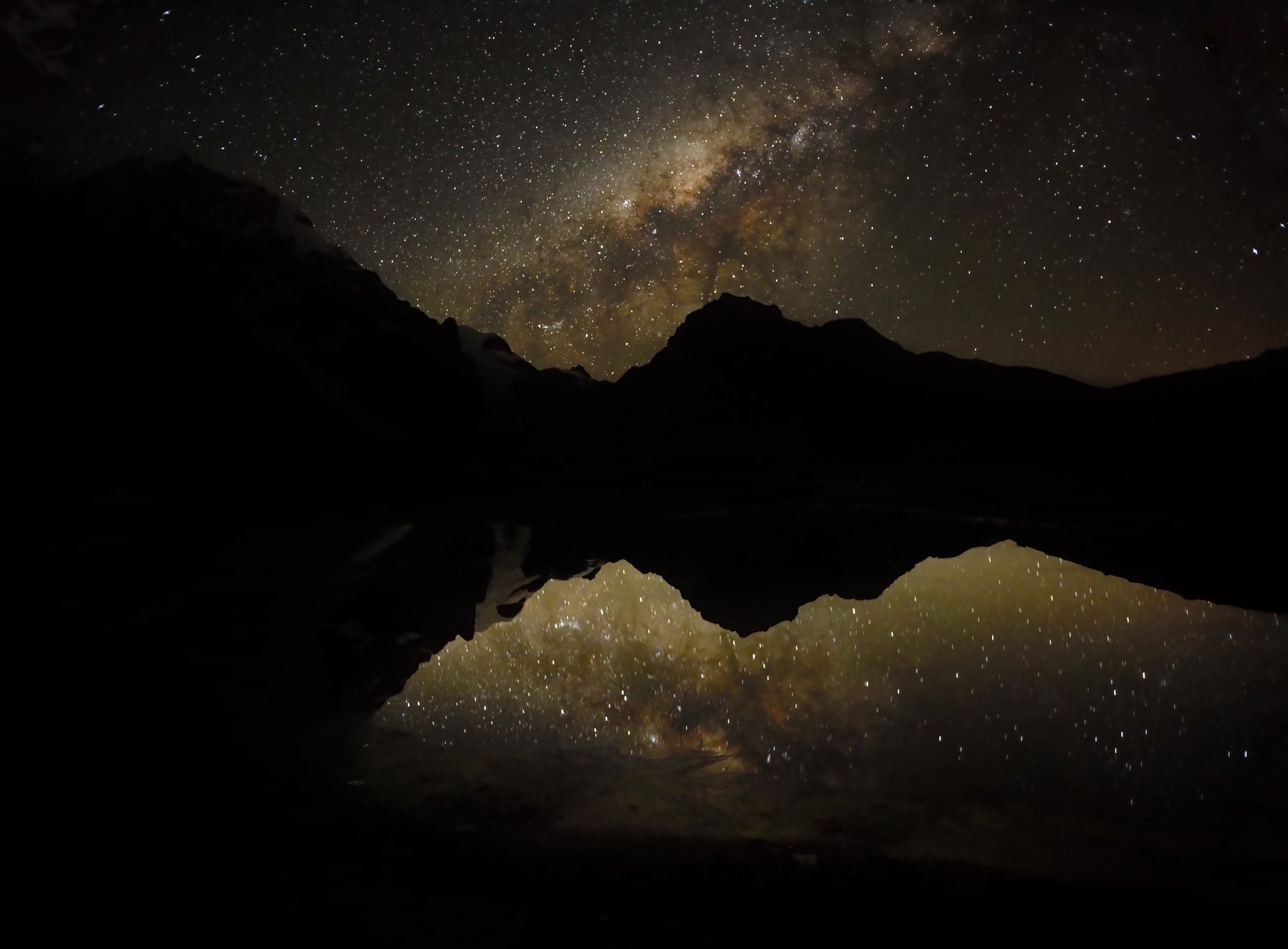
Under suitable sky conditions, photograph the Milky Way above mountain ridges, glaciers and alpine valleys. The visibility and position of the Galactic Center depend on the season, time of night, moonlight and weather.
Our photography sessions are planned around the conditions and available compositions rather than promising the same sky on every departure.
Alpine Lakes and Mountain Reflections
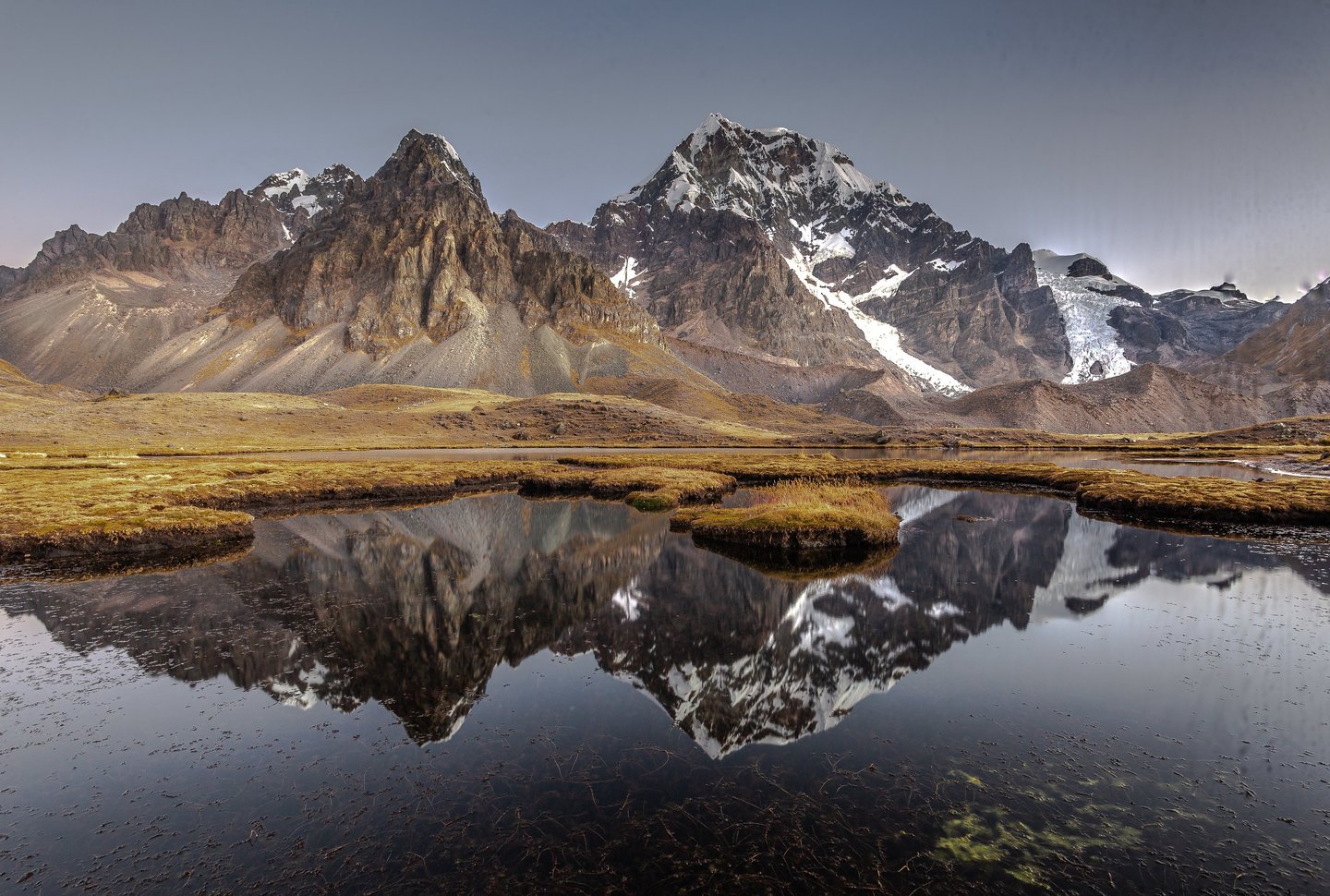
The lakes around the Ausangate region provide opportunities for foreground-led compositions, mountain reflections, minimalist landscapes and wide-angle photography. Calm water and clear skies can create particularly rewarding conditions for nightscape images.
Sunrise, Sunset and Blue-Hour Landscapes
The photography experience extends beyond astrophotography. Early morning and evening light can reveal textures in the mountains, contrasting colors across the landscape and changing illumination on snow-covered peaks.
Remote Andean Landscapes
Photograph the scale and character of the high Andes, from broad mountain panoramas to intimate landscape details. Depending on the route and conditions, there may also be opportunities to photograph alpacas, local livelihoods and rural Andean scenery respectfully.
Professional Photography Guidance
Receive photography guidance tailored to your experience and creative goals. Sessions may cover composition, manual exposure, focusing in darkness, tripod technique, long exposures and planning images around available light.
The objective is to make time for photography rather than simply passing through scenic locations.
Photography Highlights
Milky Way photography above the Andean mountain landscape.
Star trails and long-exposure nightscapes.
Alpine lakes, mountain silhouettes and reflections.
Snow-capped peaks during sunrise and sunset.
Blue-hour compositions and changing twilight colors.
Wide-angle landscapes and panoramic images.
Alpacas and Andean scenery, where encountered.
Creative foregrounds for night-sky compositions.
Photography discussions and practical guidance.
Opportunities to develop a diverse landscape and astrophotography portfolio.
Actual photography opportunities depend on the route, weather, season, visibility and lunar conditions. Clear skies and Milky Way visibility cannot be guaranteed.
Your 3-Day Ausangate Photography Expedition
The itinerary below follows the three-day route currently described on this page. Final trekking times, camp locations, elevations and departure arrangements should be confirmed before booking.
Why Photograph the Night Sky in Ausangate?
Photography focus: Andean landscapes, mountain light and nightscape photography
We depart from Cusco and travel through the southern Peruvian highlands toward Pacchanta, a traditional Andean village near the Ausangate massif. As the landscape opens into broad valleys and high mountain terrain, there are opportunities to observe the changing scenery and identify potential photographic subjects.
Depending on the confirmed schedule, we may visit the local hot springs before continuing toward the campsite at Ninaparayoq.
After arriving at camp, we prepare for the evening photography session. The surrounding mountain landscape offers opportunities to explore foregrounds, mountain silhouettes, textures and compositions that combine the land with the sky.
Golden-hour photography
As daylight softens, we look for suitable compositions featuring the surrounding mountains, ridgelines and alpine terrain. Wide-angle lenses can emphasize the scale of the landscape, while longer focal lengths can isolate details in the peaks.
Night-sky photography
When conditions permit, the evening session focuses on nightscape composition, Milky Way photography and long exposures. We may work with natural foregrounds, mountain silhouettes or campsite elements to create depth and scale.
Photography topics may include:
Choosing a composition before darkness.
Focusing accurately at night.
Balancing sky exposure and foreground detail.
Using a tripod for long exposures.
Working with foreground elements to create depth.
Overnight: Camping at the confirmed campsite..
Day 1: Cusco – Pacchanta – Ninaparayoq
Photography focus: Alpine lakes, high-altitude landscapes and night-sky compositions
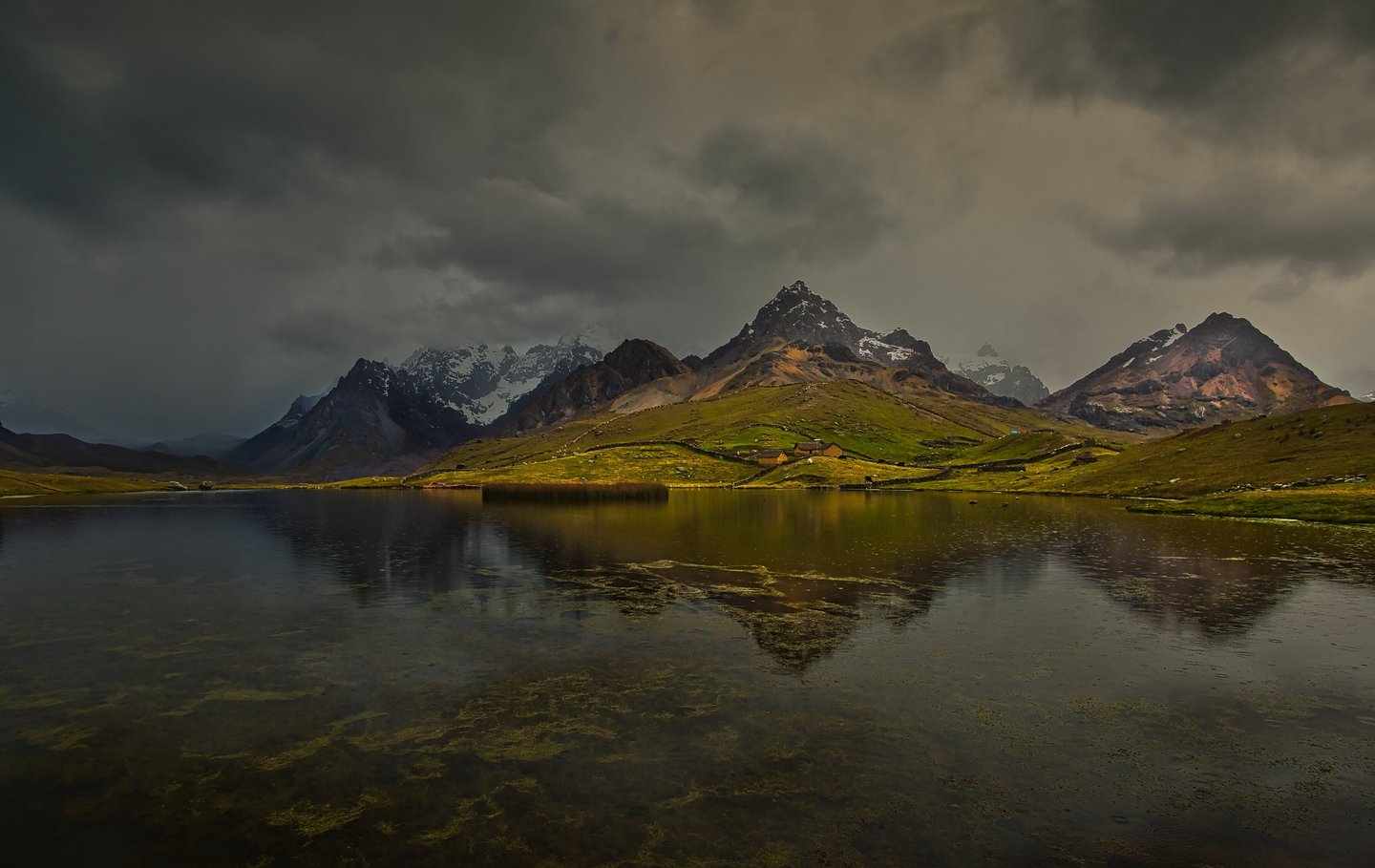
After breakfast, we continue through the high Andean landscape toward Azulqocha, following the confirmed trekking route. The day provides time to explore the changing terrain, observe mountain formations and identify compositions that work in different light conditions.
The surrounding landscape may offer opportunities for wide-angle panoramas, layered mountain scenes, glacial terrain and lake-side compositions.
Landscape photography
During the walk, we can explore techniques for working with foregrounds, leading lines, mountain layers and changing light. When conditions are suitable, reflections and contrasting colors in the landscape may provide additional compositional opportunities.
Sunset and twilight
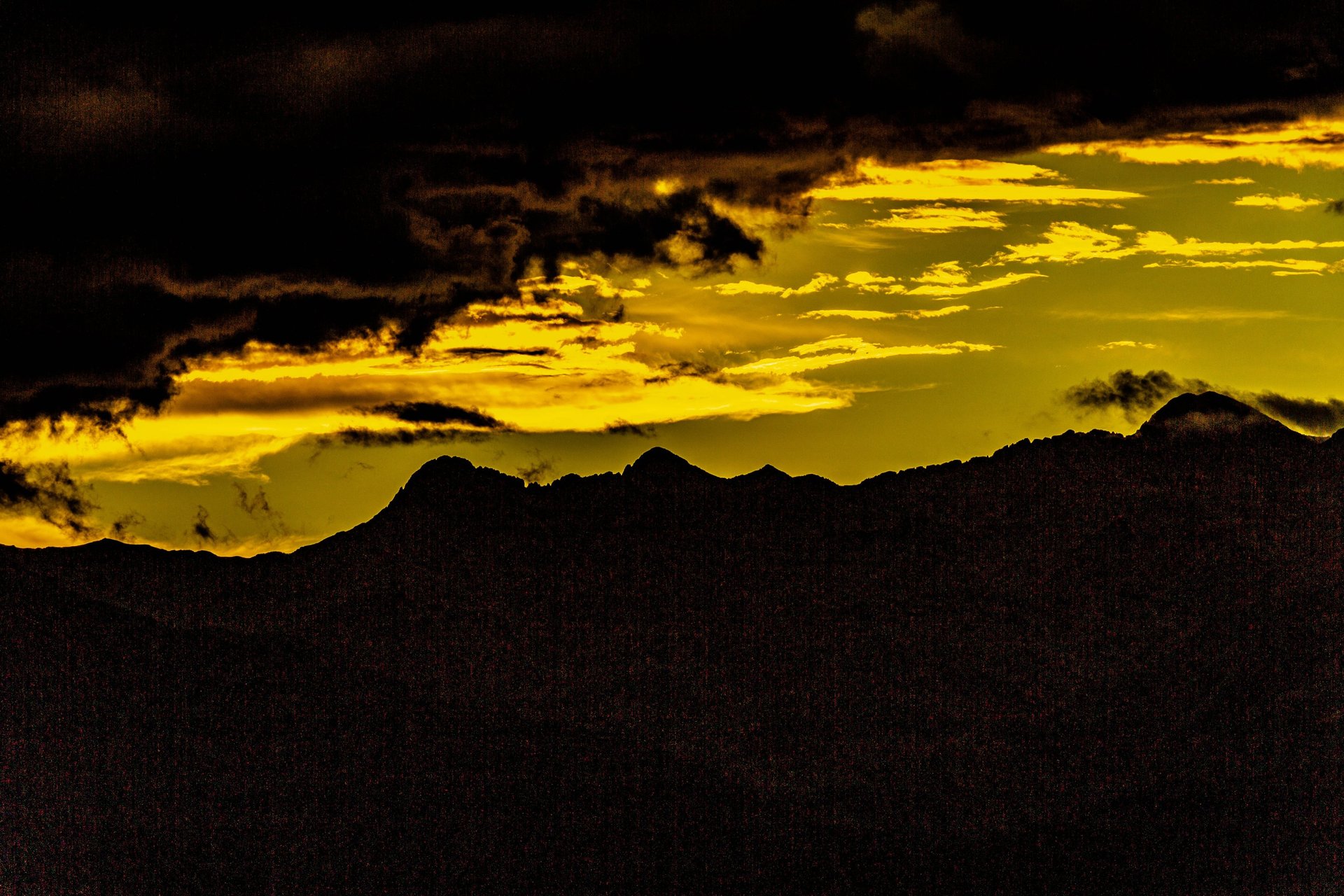
Before sunset, we identify suitable viewpoints and prepare our compositions. As the light changes, the mountains can take on warmer tones before transitioning into cooler blue-hour colors.
Nightscape photography at Azulqocha
If weather, access and sky conditions permit, we dedicate time to photographing the night sky. Possible subjects include star fields, the Milky Way when seasonally visible, mountain silhouettes and reflections in calm water.
Photographers can experiment with different focal lengths and compositions while applying the techniques introduced during the expedition.
Overnight: Camping at the confirmed campsite.
Day 2: Ninaparayoq – Azulqocha
Photography focus: Morning light, alpine scenery and Andean landscapes
We begin the final day with an opportunity to photograph the early-morning landscape, depending on weather and the departure schedule.
The first light of the day can reveal subtle textures and colors across the surrounding mountains. If the lake is calm, it may also provide opportunities for reflection photography and symmetrical compositions.
After breakfast, we pack our equipment and descend toward Pacchanta, following the agreed route.
Along the way, the highland scenery and rural environment may provide additional opportunities for landscape and environmental photography. Any photographs of local residents should be taken respectfully and with their permission.
We then meet our transportation and return to Cusco.
End of the expedition: Arrival in Cusco according to the confirmed itinerary and road conditions.
Day 3: Azulqocha – Pacchanta – Cusco
What Makes This Ausangate Photography Tour Different?
A Photography-Focused Experience
This expedition is designed around photographic opportunities, not simply the completion of a trekking route. Time is allocated to scouting compositions, observing changing light and working with the camera when conditions allow.
Daytime Landscapes and Night-Sky Photography
Instead of concentrating exclusively on the stars, the expedition combines landscape photography during daylight with nightscape sessions when conditions are favorable.
Practical Guidance in the Field
Photographers can work on composition, camera operation, exposure and focusing in real mountain environments. Guidance can be adapted to the group's experience, equipment and photographic interests.
A Small-Group Approach
The published tour information lists small-group departures. Please confirm the maximum group size, departure dates and whether a private departure is available when requesting a quote.
An Experience in the High Andes
Ausangate offers a chance to photograph mountain landscapes, alpine lakes and Andean scenery in a remote high-altitude environment. The journey also requires preparation for cold temperatures, changing weather and physical activity at elevation.
Photography Guidance for Different Experience Levels
The expedition is suitable for photographers with different levels of experience, provided they are comfortable with the physical and altitude demands of the confirmed route.
Milky Way and Night-Sky Photography
Learn how to plan a nightscape, select a suitable foreground and position the camera for a balanced composition. When appropriate, we can discuss the relationship between the Milky Way's position, the landscape and the available shooting window.
Manual Exposure and Focusing
Review aperture, shutter speed, ISO and manual focus for low-light photography. Practical guidance can help you make informed adjustments as darkness and sky conditions change.
Star Trails and Long Exposures
Explore the principles of star-trail photography, long exposures and the creative use of static foreground elements. The techniques used will depend on the desired result and the equipment available.
Landscape Composition
Work with leading lines, foreground interest, mountain layers, reflections and panoramic compositions. These techniques can be used throughout the day, not only during the night photography sessions.
Photography for All Levels
Beginners can work on fundamental camera skills, while more experienced photographers can concentrate on composition, exposure consistency and building more complex nightscape images.
You do not need the most expensive camera to participate. Understanding your equipment and preparing for the conditions are more important than owning the latest camera model.
Recommended Camera Gear
For the best preparation, we recommend bringing equipment suited to both night-sky and daytime landscape photography.
Essential Equipment
DSLR or mirrorless camera with manual exposure controls.
Wide-angle lens suitable for landscape and night-sky photography.
Sturdy tripod.
Spare camera batteries.
Memory cards with sufficient capacity.
Headlamp with a red-light mode.
Lens cloth and basic weather protection.
Camera bag suitable for trekking conditions.
Optional Equipment
Fast wide-angle lens for Milky Way photography.
Telephoto lens for compressed mountain landscapes.
Remote shutter release or intervalometer.
Filters appropriate for daytime landscape photography.
Additional batteries and a power bank compatible with your equipment.
Cold temperatures can reduce battery performance, so keep spare batteries protected and warm when possible.
Before departure, check your camera's capabilities and familiarize yourself with manual exposure and focusing in low light. If you are new to astrophotography, we can use the expedition to practice these fundamentals in the field.
Best Conditions for Astrophotography in Ausangate
Astrophotography depends on several factors, including the season, lunar phase, weather, visibility and the position of the Milky Way.
Moonlight and the Milky Way
A darker sky generally helps reveal faint Milky Way detail. However, moonlight can also illuminate mountain foregrounds and create different photographic effects. The ideal conditions depend on the image you want to create.
Weather and Visibility
Cloud cover, precipitation, wind and rapidly changing mountain weather can affect the available photography opportunities. We adapt the session to conditions where possible, but clear skies cannot be guaranteed.
Planning Your Photography
We recommend discussing your travel dates and photography goals with us before booking. This allows us to explain the expected conditions and identify which aspects of the experience are most relevant to your interests.
Altitude, Trekking Difficulty and Physical Preparation
The Ausangate region is a high-altitude mountain environment. The current itinerary describes camps and trekking locations at approximately 4,500–4,700 meters, although the exact elevations and route details must be confirmed before publication and booking.
The combination of altitude, cold temperatures, uneven trails and carrying camera equipment can make the experience physically demanding.
Participants should be prepared for walking on mountain trails, variable weather and overnight camping. The actual distance, elevation gain, walking hours and difficulty depend on the final route.
We recommend spending time acclimatizing in Cusco or another suitable high-altitude location before beginning the trek. Acclimatization reduces risk but does not eliminate the possibility of altitude illness.
Please tell us about any concerns regarding the altitude, trekking pace or camera equipment you intend to carry before confirming your booking.
Responsible Photography in the Ausangate Region
At Photo Tours Peru, we believe that photography should respect the natural environment, wildlife and local communities.
Our responsible-photography approach includes the following practices.
Leave No Trace
Carry out all waste generated during the expedition.
Avoid leaving single-use plastics or other litter behind.
Stay on appropriate trails and established routes.
Do not remove plants, rocks or other natural features to improve a composition.
Leave the landscape as undisturbed as possible.
Respect Wildlife
Observe wildlife from a suitable distance.
Never feed or deliberately disturb animals for a photograph.
Avoid actions that change an animal's natural behavior.
Use an appropriate lens rather than approaching wildlife unnecessarily.
Respect Local Communities
Ask permission before photographing identifiable people.
Respect local customs, privacy and cultural practices.
Avoid intrusive or exploitative portraits.
Support local services and businesses where appropriate.
Travel Responsibly
We aim to minimize avoidable environmental impacts and encourage respectful interactions with the places and people encountered during our photography expeditions.
Tour Information
Tour: Ausangate Astrophotography Trek
Duration: 3 days
Starting point: Cusco, Peru
Region: Cordillera Vilcanota, Peruvian Andes
Photography focus: Astrophotography, Milky Way, nightscapes and mountain landscapes
Accommodation: Camping
Transport: Local transportation from Cusco and return, as specified in the confirmed itinerary
Group size: Confirm at the time of booking
Difficulty: High-altitude trekking; final rating to be confirmed against the route and daily walking distances
What Is Included?
Based on the current published tour information, the package lists the following services. Please confirm each item in the final booking terms.
Three-day guided expedition.
Local transportation specified in the itinerary.
Professional photography guide.
Photography walks and field discussions.
Camping accommodation.
Meals as specified in the final itinerary.
Applicable permits, where required and explicitly included in the confirmed package.
What Is Not Included?
The exclusions should be confirmed with Photo Tours Peru before publication. Unless explicitly included in your written quotation, travelers should ask whether the following are covered:
Flights to and from Peru.
Accommodation in Cusco before or after the trek.
Travel insurance and emergency evacuation coverage.
Personal camera equipment and accessories.
Personal expenses and optional purchases.
Tips for the guide and support staff.
Any meals, entrance fees or services not expressly listed under inclusions.
Please request the complete inclusions and exclusions before making your reservation.
Ausangate Astrophotography Trek: Frequently Asked Questions
Is Ausangate a good destination for astrophotography?
Ausangate offers dramatic mountain scenery and locations away from major urban centers. These conditions can be favorable for night-sky photography when the weather, visibility and lunar conditions cooperate.
Can I photograph the Milky Way during the trek?
Milky Way photography may be possible when the Galactic Center is visible at the travel dates and the sky is sufficiently clear and dark. Its visibility depends on the season, time of night, lunar phase and local conditions. We cannot guarantee a clear view.
Do I need professional photography experience?
No. The expedition can accommodate photographers with different levels of experience. Participants should be comfortable with the physical demands of the confirmed itinerary and should bring equipment appropriate for their goals.
What camera should I bring?
A DSLR or mirrorless camera with manual exposure controls, a suitable wide-angle lens and a sturdy tripod is a practical setup for night-sky photography. Other camera systems may also be suitable depending on their capabilities.
Is the Ausangate trek difficult?
The trek takes place at high altitude and involves walking on mountain trails. Difficulty depends on the final route, distance, elevation gain, weather and individual fitness. Request the confirmed daily trekking details before booking.
How high is the Ausangate trek?
The current itinerary lists locations at approximately 4,500–4,700 meters above sea level. Exact campsite elevations and the maximum altitude reached should be confirmed for your departure.
What happens if the sky is cloudy?
Cloud cover can limit or prevent astrophotography. Depending on conditions, we may concentrate on landscape photography or adjust the timing and composition of a session. A clear sky and Milky Way visibility cannot be guaranteed.
Is camping included?
Camping is listed in the current package information. Please confirm the equipment provided, sleeping arrangements and any personal camping gear you need to bring.
Can I book a private Ausangate photography trek?
Contact Photo Tours Peru to ask about private departures, available dates, group size and customized photography priorities.
How do I book the Ausangate Astrophotography Trek?
Contact Photo Tours Peru with your preferred dates, number of participants and photography experience. We will confirm availability, the final itinerary, inclusions and current pricing before you book.
Book Your Ausangate Astrophotography Trek
Are you ready to explore the Andes with your camera?
Join Photo Tours Peru for a three-day photography-focused journey through the Ausangate region, combining high-altitude landscapes, alpine lakes and opportunities to photograph the night sky.
Whether your goal is to improve your Milky Way technique, build a landscape portfolio or experience the mountains through photography, we can help you plan your expedition around your interests and the practical conditions of the route.
Tell us your preferred dates and what you want to photograph.
Difficulty
Difficulty
Very difficult: Long hikes and camping at high altitude
Our Peru photo trek will mainly focus on hiking and capturing the most iconic landscapes in the Ausangate trek, the world’s highest tropical mountain ranges. This time of year is perfect for hiking, as it coincides with the dry season, and ideal for astro, as it’s the peak of Milky Way season in the Southern Hemisphere, with 10+ hours of Milky Way visibility at night.
What’s Included
trek: Ausangate Rainbow Mountain
Group Size1 – 8 Guests
Experience | Difficulty
Beginner, amateur, enthusiast and semi-pro photographers
DSLR, mirrorless, compact or iPhone cameras
Moderate schedule
Travel by car or minibus
Moderate elevation changes and lots of walking and hiking (none of our adventures have difficult hikes)
(non-photographers also welcome)
Includes
3 Days
Travel, landscape, nature, wildlife and people photography
Professional photographer | guide
Photo walks & discussions
Small group size (4-6 guests)
Caping
Breakfasts
All Meals
National Park Permits
Local transportation
Accommodations
Tent
Price based per person:2026
1 person : US$1050.00 per person
2 people : US$750.00 per person
3 people: US$700.00 per person
4 people : US$650.00 per person
5 people : US$600.00 per person
6 people : US$550.00 per person
7+ people : US$500.00 per person
Contact
Email: phototourperu@gmail.com
Phone: +51 940188346
© 2025. All rights reserved.
Designed by Zihna