6-Day Uyuni Photography Tour: Salar de Uyuni Astrophotography & Landscape Workshop
Home / Uyuni Astro & Landscape Photography Tour 6 Day Photo Workshop
What You'll Photograph Uyuni Astro & Landscape Photography Expedition
6-Day Uyuni Photography Tour: Astrophotography, Landscapes & Night Photography
Photograph the extraordinary landscapes of Bolivia's Salar de Uyuni on a dedicated 6-day photography expedition designed for photographers who want more than a conventional sightseeing tour.
From the vast geometric patterns of the world's largest salt flat to dramatic sunsets, high-altitude landscapes, giant cacti and crystal-clear Andean skies, this Uyuni photography tour is built around light, composition and time in the field.
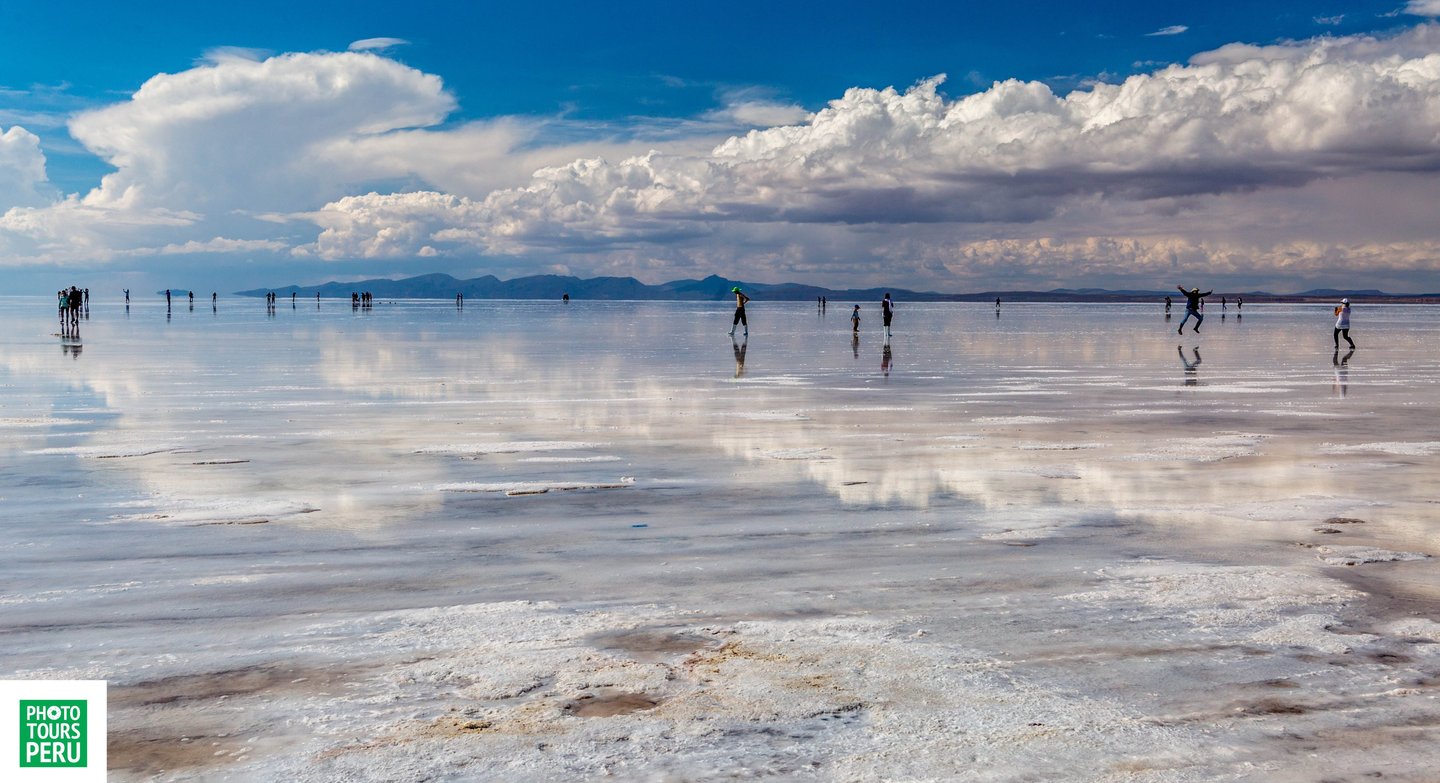
The expedition combines landscape photography, astrophotography and night photography, with dedicated sessions for sunrise, sunset, blue hour and the Milky Way. When seasonal water conditions are right, the salt flats can transform into an enormous natural mirror, creating opportunities for reflection photography and surreal compositions.
At night, the remote location and high altitude provide exceptional conditions for Milky Way photography and nightscape photography. Depending on the season, weather and moon phase, photographers may capture the Milky Way reflected across the salt flats, star trails, moonlit landscapes and other celestial scenes.
Beyond the Salar, the journey explores the dramatic landscapes of the Bolivian Altiplano, including volcanic scenery, high-altitude deserts and Incahuasi Island with its giant cacti.
Whether you are an enthusiast building your photography portfolio or an experienced photographer looking for new landscape and astrophotography opportunities, this workshop is designed to give you more time to photograph and less time simply moving from one attraction to another.
This is not a conventional Uyuni tour. It is a photography expedition built around the light, landscapes and night skies of Bolivia.
Why This Is a Photography Expedition
A conventional Uyuni tour is designed to see the salt flats.
This expedition is designed to photograph them.
Our itinerary is planned around the conditions photographers need: changing light, strong compositions, clear night skies and enough time in the field to work with your camera.
Photograph the Salar at Different Times of Day
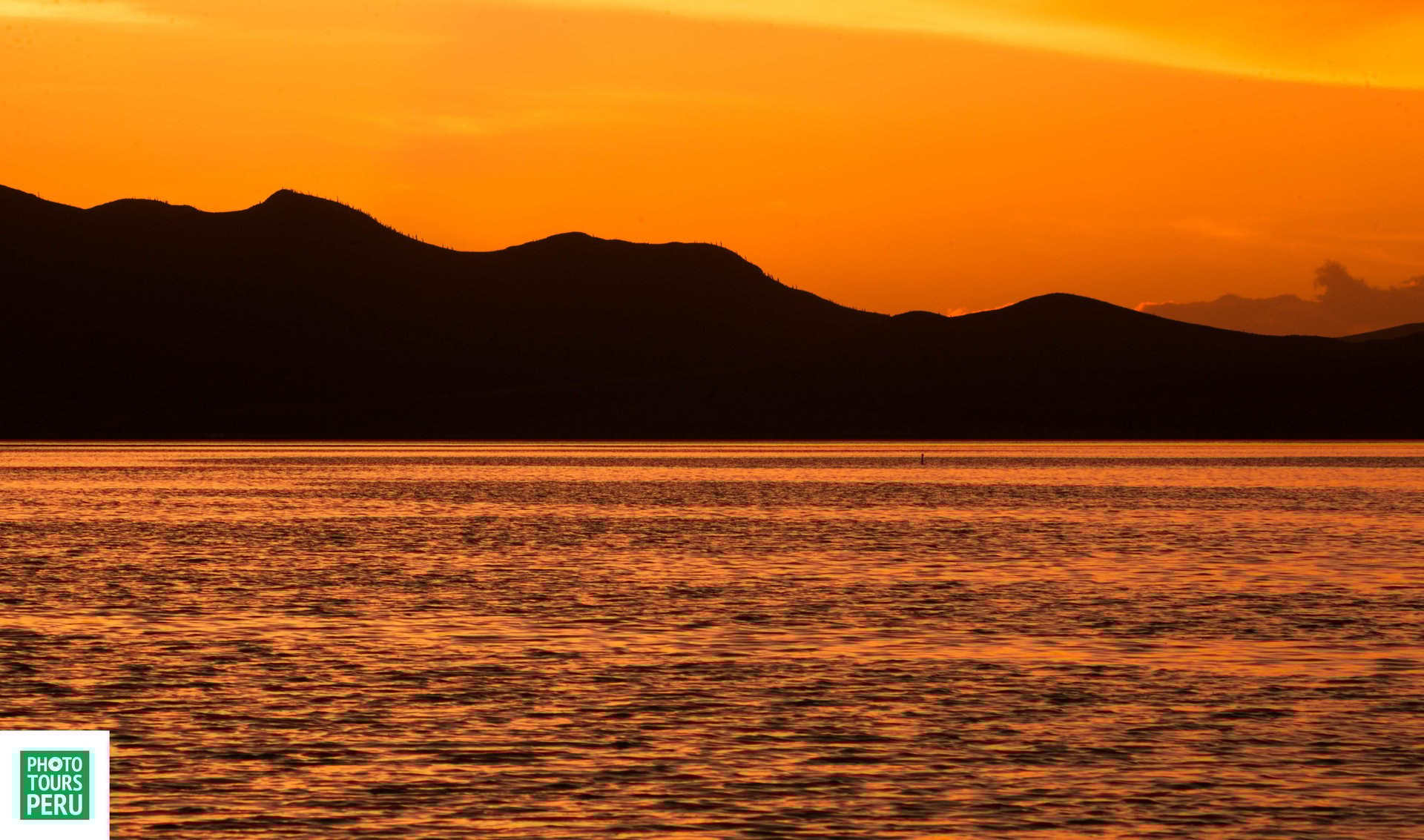
Experience the salt flats through changing light, from early morning and blue hour to golden hour and sunset.
Chase the Milky Way
When conditions are favorable, dedicated night sessions provide opportunities to photograph the Milky Way above the vast Salar de Uyuni.
Work With Reflections
During periods of seasonal surface water, the Salar can become a giant natural mirror, creating opportunities for dramatic reflection photography.
Explore Beyond the Salt Flats
Photograph volcanic landscapes, high-altitude deserts, giant cacti and the dramatic scenery of the Bolivian Altiplano.
Improve Your Photography
Receive practical guidance on composition, exposure, camera settings, long exposures, night photography and creative approaches throughout the expedition.
Build a More Diverse Portfolio
Instead of returning with dozens of similar salt-flat images, the itinerary gives you opportunities to photograph different landscapes, light conditions and night-sky scenes across Bolivia.
What Can You Photograph in Uyuni?
Yo incluso cambiaría tu actual "What You Can Photograph" por:
What You'll Photograph in Bolivia
Salar de Uyuni salt flats
Milky Way over the Salar
Salt-flat reflections
Sunrise and sunset
Blue-hour landscapes
Geometric salt patterns
Minimalist landscapes
Long-exposure nightscapes
Star trails
Incahuasi Island and giant cacti
Bolivian Altiplano landscapes
Volcanic formations
High-altitude deserts
Colorful lagoons
Andean wildlife, where encountered
Uyuni Astro and Landscape Photography Tour 6-Day Photo Workshop
Day 1: Arrival in La Paz – Acclimatization & Photography Briefing
Airport pickup and transfer to your hotel in La Paz. The remainder of the day is free for rest and acclimatization to the altitude. In the late afternoon, we meet for a photography briefing covering the itinerary, weather conditions, equipment and the photographic opportunities ahead.
DAY 2-La Paz – Uyuni – First Sunset Photography Session
07:00 am. we start the tour from kilometer 0, Plaza Murillo, where we will recount historical events of La Paz, passing by the cathedral, to go to Jaen Street, the historic center of freedom. We take our private transport to go to the Killi Killi viewpoint, where we can appreciate the city with the background of the guardian and sentinel Illimani. Then we will go to the “La Llamita” cemetery sector, very close to the orange cable car line. We continue with the route in the red cable car line to the sector of the general cemetery. We go by transport to Chualluma, and then take the red line cable car again, we go to the amautas sector. We continue taking the blue cable car line to Plaza La Paz, on the way we can see the cholets, which is a type of architecture in the city of El Alto. We take a short walk to Plaza Libertad, to visit the clothing sales sectors of the La Paz chola and her presence in different areas. We took the blue, silver and purple cable car. (Lunch) Visit Jaen street and witches market, San Francisco church.
Transfer out airport of the stop. LPB–UYU.-
Day 3: Villa Mar – Uyuni: surreal landscapes & endless horizons
Drive time: ~5–6 hours
Photography Focus: Mars-like desert, rock formations, high-altitude lagoons, salt flats at sunset
After a peaceful morning in the quiet desert town of Villa Mar, we begin our journey across one of the most visually striking regions of South America. The route from Villa Mar to Uyuni offers nonstop photography opportunities—from surreal high-altitude deserts to otherworldly rock formations and wide-open skies.
As we drive through the Siloli Desert, you’ll witness the raw texture of nature: wind-sculpted stones, deep red sands, and shifting shadows that add depth and drama to every frame. Don’t miss the iconic "Árbol de Piedra" (Stone Tree)—a gravity-defying rock formation perfect for minimalist compositions or creative wide shots with scale.
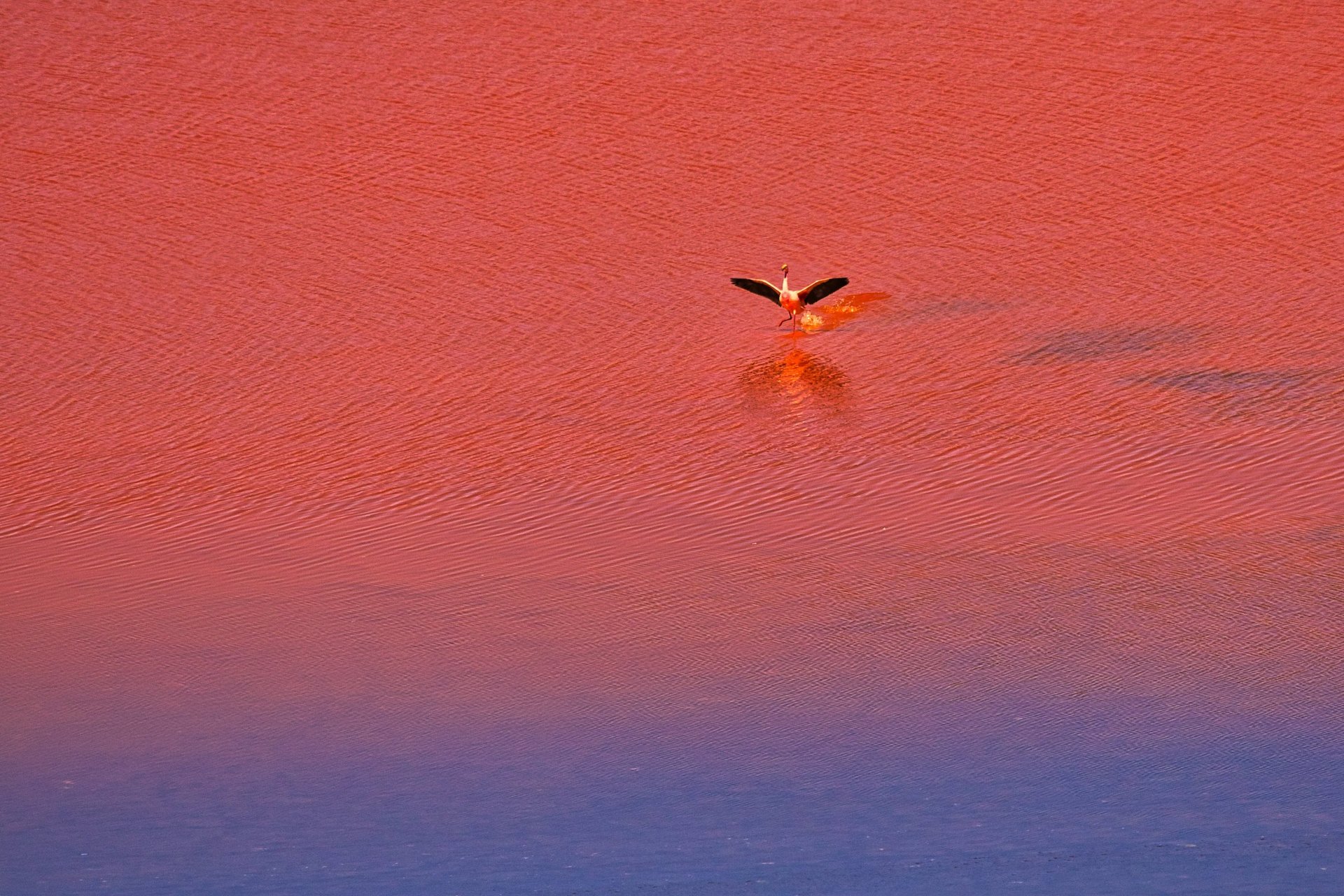
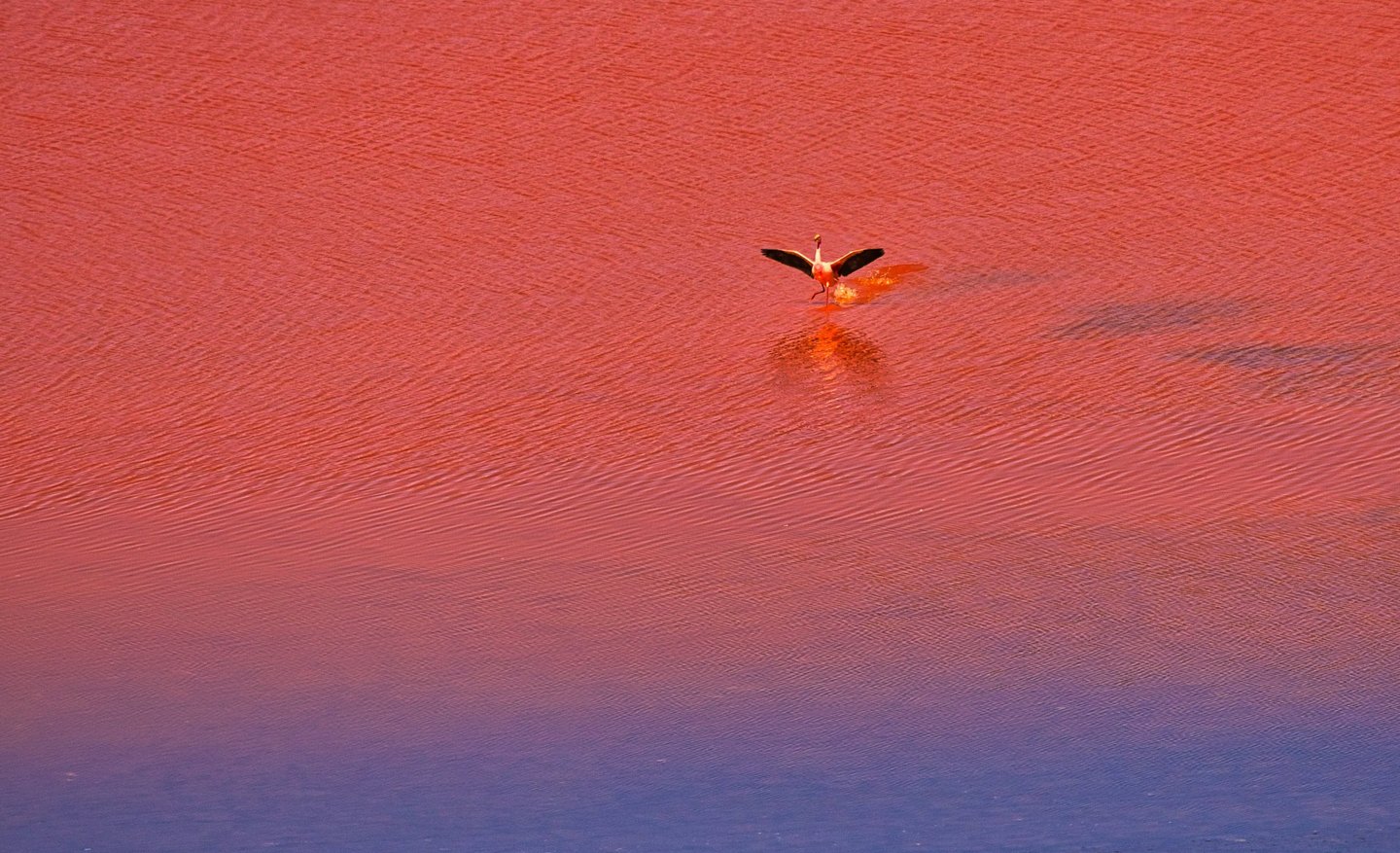
Along the way, we may pass remote altiplano lagoons, where flamingos feed in still, mirror-like waters. The contrast between the vibrant birdlife and stark landscapes is stunning—ideal for both telephoto and wide-angle work.
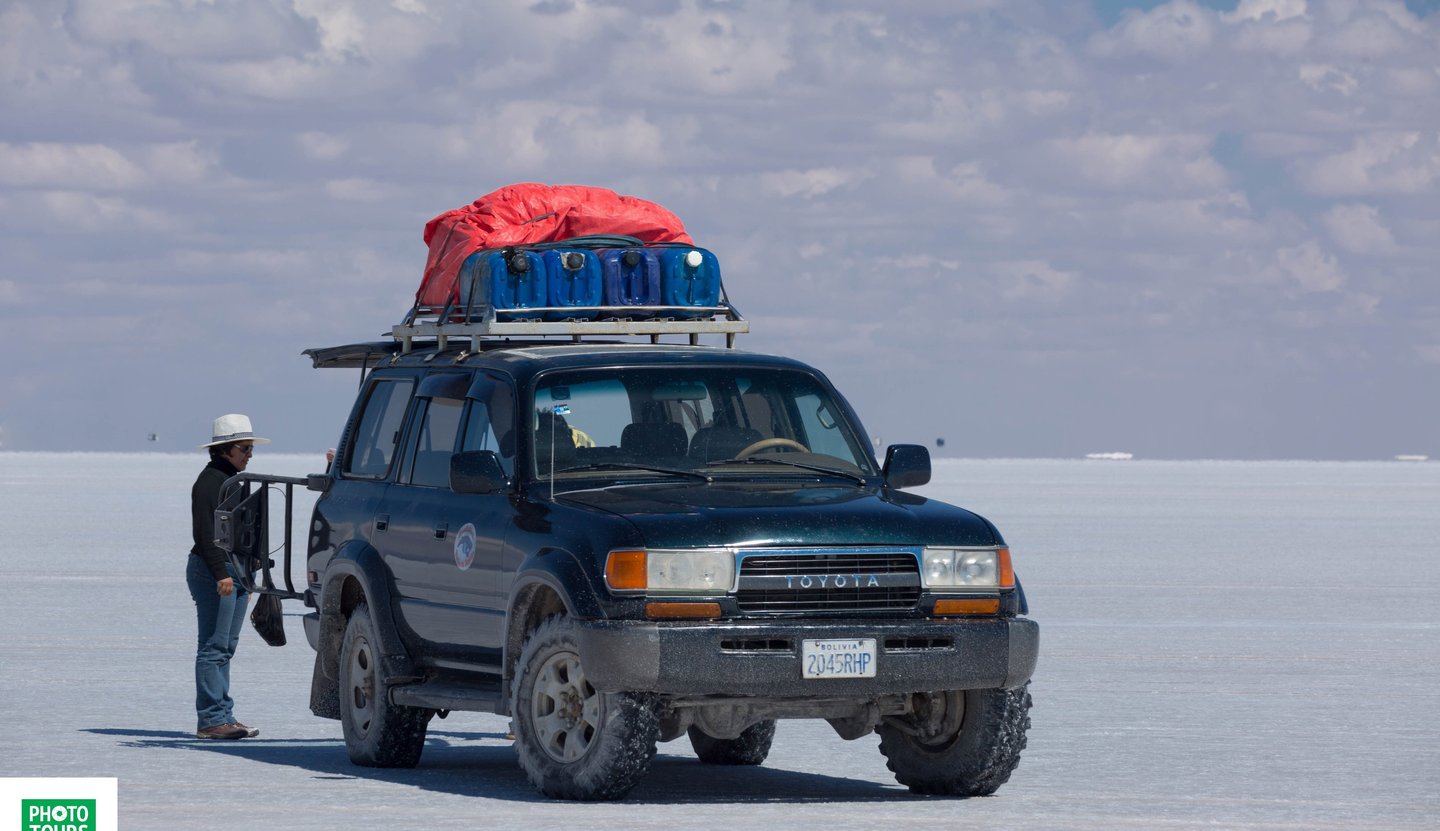
By late afternoon, we reach Uyuni, gateway to the legendary Salar de Uyuni. If conditions allow, we’ll head to the edge of the salt flats for a sunset session, where the vast white crust glows with soft pastels. This is your chance to capture the scale, symmetry, and silence of one of Earth’s most extraordinary landscapes.
📸 Golden Hour Tip: Use leading lines of the salt crust patterns to guide the eye into the distance, and embrace the negative space to highlight subjects or silhouettes.
Day 4: Uyuni – Incahuasi Island – Salt Flats Sunset – Salt Hotel
Photography Focus: Endless horizons, cactus silhouettes, salt textures, reflections (wet season), golden light & starry night
Wake up to the surreal beauty of Salar de Uyuni, the world’s largest salt flat—a dreamscape for landscape photographers.
We set out across this vast white expanse, where the sky seems to touch the earth and the horizon stretches forever. As we drive deeper into the salt flats, stop often to capture the hexagonal salt patterns, minimalist compositions, and the stunning contrast between light and shadow.
Midday: Incahuasi IslandRising from the salt sea like a fossilized coral reef, Incahuasi Island offers a dramatic change in terrain. Covered in towering giant cacti and surrounded by nothing but salt, it’s the perfect place for aerial-style shots, leading lines, and wide-angle landscapes.
Best photo moments:
Cactus silhouettes against the deep blue sky
360° panoramas with endless white
Texture details in salt formations and volcanic rock
Golden Hour & SunsetAs the sun begins to dip, the salar transforms. The golden light reflects off the salt crust or, in the rainy season, creates surreal mirror-like reflections. The silence, the colors, and the open space create a truly otherworldly scene.
Golden hour tips:
Play with shadows, scale, and perspective
Use the reflective surface for symmetrical compositions
Wide-angle lenses + filters work magic here
Night at the Salt HotelAfter sunset, we head to our unique Salt Hotel, built entirely from blocks of salt. If skies are clear, step outside for a celestial show.
Night shots:
The Milky Way rising over the endless white flat
Creative long exposures with light painting or silhouettes
Star reflections (wet season bonus!)
Day 5: Salt Hotel – Tunupa Volcano – Uyuni (Night Photography Tour
Photography Focus: Salt flat textures, high-altitude panoramas, ancient volcano, surreal sunset, and astrophotography on the Salar
Wake up early to golden light spilling across the endless white of the Uyuni Salt Flats—the world’s largest natural mirror. After breakfast at the Salt Hotel, we set off toward the northern edge of the salar, where the majestic Tunupa Volcano rises like a guardian above the flats.
Morning & Midday: Tunupa Volcano Exploration
Driving across the shimmering salt surface is an experience like no other—geometric polygon patterns stretch in every direction. At the base of Tunupa, we visit a local village and explore colorful geological formations and ancient cave mummies tucked into the cliffs.
Photo Tips:
Use wide angles to capture the vastness of the salt flat
Shoot the pastel mineral layers of Tunupa’s slopes for abstract compositions
Drone-friendly day: aerials reveal epic salt patterns and volcano symmetry
Climbing to the Tunupa viewpoint offers a jaw-dropping panorama over the salt flats, perfect for midday shots with layered blue skies and razor-sharp horizons.
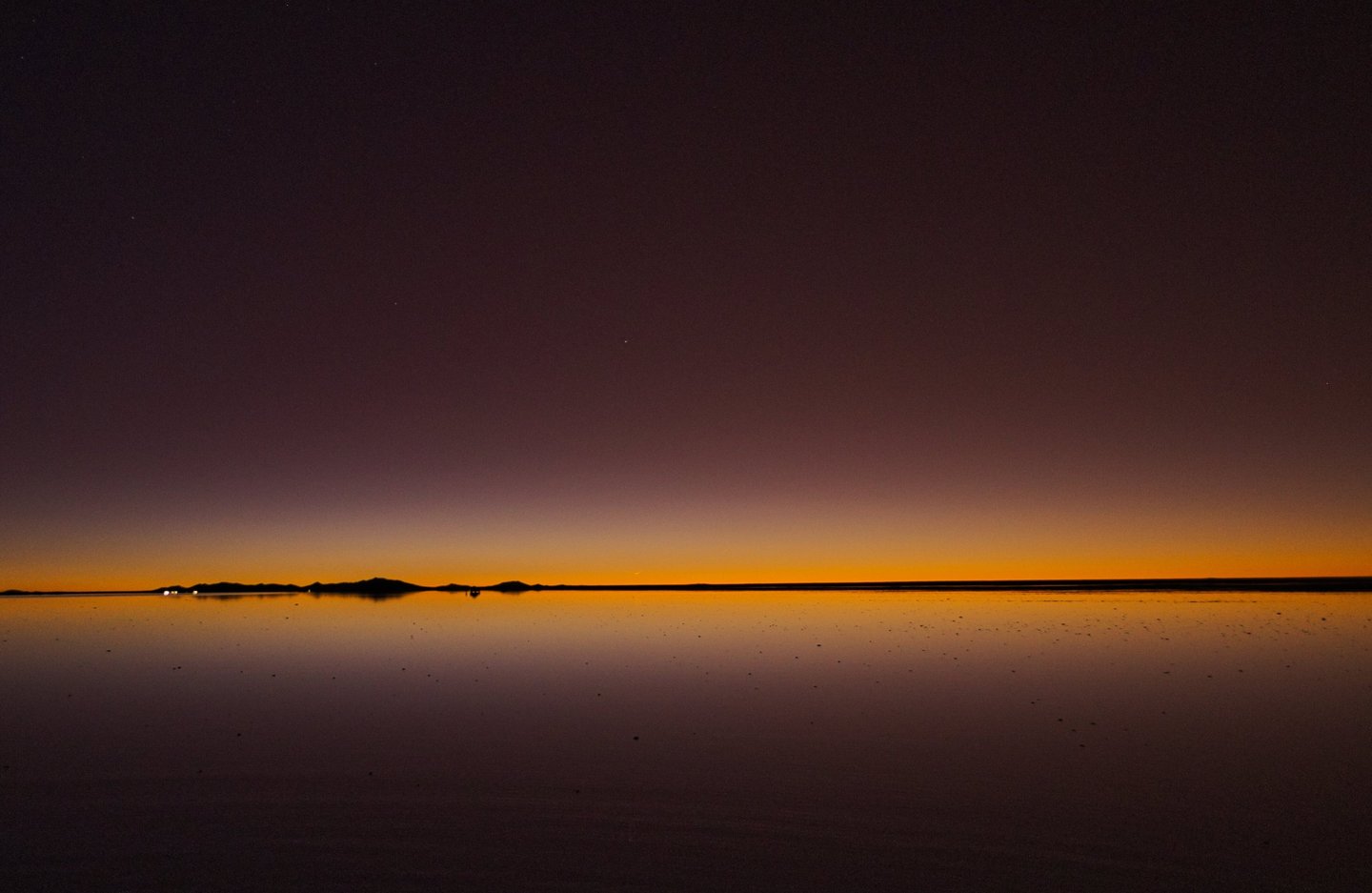
Sunset on the SalarWe return to the flats in time for the sunset show. If water is present, the salt transforms into a natural mirror, doubling the sky in an explosion of color. If dry, the cracked hexagonal patterns glow golden under the last light.
Golden Hour Ideas:
Silhouettes and reflections
Long exposures with people or props
Wide compositions to showcase the surreal horizon
Our speciality Night Photography Session on the Salt FlatsAfter dinner in Uyuni, we head back out for a private night photography tour under some of the clearest skies on Earth. With zero light pollution and a high elevation, Uyuni is a dream location for astrophotographers.
Night Shooting Highlights:
Milky Way reflections if there's surface water
Star trails over the volcano and horizon
Creative light painting or portraits under the stars
If the moon is up: stunning silver-lit salt textures
Bonus Tip: Bring your tripod, extra batteries, and a headlamp with a red light. The stillness and silence of Uyuni at night make this one of the most unforgettable photo experiences on the planet.
Day 6: Uyuni – Flight to La Paz
Best Time for Photography at Salar de Uyuni
Salar de Uyuni Photography Guide: Reflections, Landscapes & Milky Way
What Camera Gear to Bring to a Uyuni Photography Workshop
How to Photograph Salar de Uyuni Reflections
Esto crea un topical cluster alrededor de Uyuni photography.
Sunrise Tip: Use wide angles for infinite perspective, or zoom in to play with abstract patterns and textures in the salt.
After breakfast, we transfer to the airport for our flight to La Paz, but the photo journey continues in the skies. If you're lucky enough to get a window seat, keep your camera ready--Bolivia's aerial landscapes are surreal. Think: cracked earth, winding rivers, volcanic peaks, and cloud shadows casting patterns over high-altitude terrain.
Aerial Photo Tip: Shoot at a fast shutter speed to avoid motion blur and aim for high-contrast scenes that work well in black and white.
Upon arrival in La Paz, one of the world’s highest capital cities, you'll witness a jaw-dropping view as the city spills down the sides of a deep canyon framed by the mighty Illimani Mountain. Even from the plane or airport, this is a moment worth capturing.
Frequently Asked Questions
Is this Uyuni photography tour suitable for beginners?
Yes. The expedition is designed for photographers of different experience levels, with practical guidance provided throughout the trip.
Can I photograph the Milky Way in Salar de Uyuni?
Yes, the itinerary includes dedicated night photography sessions. Actual visibility depends on weather, cloud cover, moon phase and seasonal conditions.
Can I photograph reflections on the Salar de Uyuni?
Yes, when seasonal water is present, parts of the Salar can create dramatic mirror-like reflections. Water conditions vary from year to year and cannot be guaranteed.
Is this an astrophotography workshop?
Yes. Astrophotography and night photography are important components of the expedition, alongside landscape photography.
What camera equipment should I bring?
A camera with manual controls, a sturdy tripod, spare batteries and a wide-angle lens are recommended. A fast lens is particularly useful for Milky Way photography.
Is the tour suitable for professional photographers?
Yes. The expedition is designed for enthusiasts, advanced photographers and professionals who want dedicated time for landscape and astrophotography.
Will we photograph the Milky Way every night?
No specific celestial scene can be guaranteed. Night-sky photography depends on weather, cloud cover, moon phase and other environmental conditions.
What makes this different from a regular Uyuni tour?
The itinerary is organized around photography opportunities, including sunrise, sunset and night sessions, rather than simply visiting the main tourist attractions.
Information
Group Size1 – 8 Guests
Experience | Difficulty
Beginner, amateur, enthusiast and semi-pro photographers
DSLR, mirrorless, compact or iPhone cameras
Moderate schedule
Travel by car or minibus
Moderate elevation changes and lots of walking and hiking (none of our adventures have difficult hikes)
(non-photographers also welcome)
Includes
6 Days
Travel, landscape, nature, wildlife and people photography
Professional photographer | guide
Photo walks & discussions
Small group size (1-8 guests)
3 or 4-star hotels
Breakfasts
All Meals
National Park Permits
Local transportation
Green Team Commitment – Responsible Photography with Photo Tours Peru
At Photo Tours Peru, we believe photography should protect the places we explore. Every photography expedition—from the Andes to the Amazon—is guided by a Green Team philosophy, ensuring that our tours respect nature, wildlife, and local communities.
Our goal is simple: capture extraordinary images while leaving every location better than we found it.
1. Leave No Trace Photography
Our photography tours follow the internationally recognized Leave No Trace principles, which emphasize minimizing environmental impact when traveling in nature.
Key practices include:
• Carry out all trash and waste
• Avoid single-use plastic bottles
• Stay on established trails and paths
• Do not move rocks, plants, or natural elements for photos
• Leave archaeological sites and landscapes untouched
These practices protect fragile ecosystems and help preserve natural landscapes for future generations.
2. Respect Wildlife and Natural Habitats
Wildlife photography requires patience and responsibility.
On our tours we:
• Observe animals from a safe distance
• Never feed or disturb wildlife
• Avoid loud noise or sudden movement
• Use telephoto lenses instead of approaching animals
If wildlife changes behavior, it means the photographer is too close and must move away.
3. Protect Cultural Heritage
Many photography tours visit indigenous communities and historic sites.
Our Green Team approach includes:
• Always asking permission before photographing people
• Respecting cultural traditions and sacred places
• Supporting local artisans and communities
• Avoiding staged or exploitative photography
Photography should tell respectful human stories, not exploit them.
4. Small Group Photography Expeditions
All Photo Tours Peru expeditions prioritize small groups to reduce environmental impact.
Benefits:
• Less pressure on fragile ecosystems
• More respectful interaction with local communities
• Better photography opportunities
• Lower environmental footprint
Sustainable photo tours often limit groups to ensure minimal disturbance to nature.
5. Support Local Communities
Responsible tourism helps protect destinations when local people benefit from tourism.
Photo Tours Peru supports:
• Local guides and communities
• Family-owned lodges and homestays
• Indigenous cultural projects
• Local conservation initiatives
When communities benefit economically from tourism, they are more motivated to protect their environment and culture.
Price:Per Person 2026
1 photographer $4,850
2 photographers $3,350
3 photographers $3,150
4 photographers $2,950
Contact
Email: phototourperu@gmail.com
Phone: +51 940188346
© 2025. All rights reserved.
Designed by Zihna