
Manu National Park Bird Photography Tour – 6 Days / 5 Nights
Home / Birdwatching Photography Manu National Park Adventure 6D/5N
Manu National Park Bird Photography Expedition – From the Andes to the Amazon
For photographers who want more than a conventional birding trip, this 6-day Manu National Park photography expedition is designed around the extraordinary diversity of Peru's Manu region.
Starting in the Andes and descending through cloud forest into the Amazon lowlands, the route crosses multiple elevations and habitats, each offering different photographic opportunities.
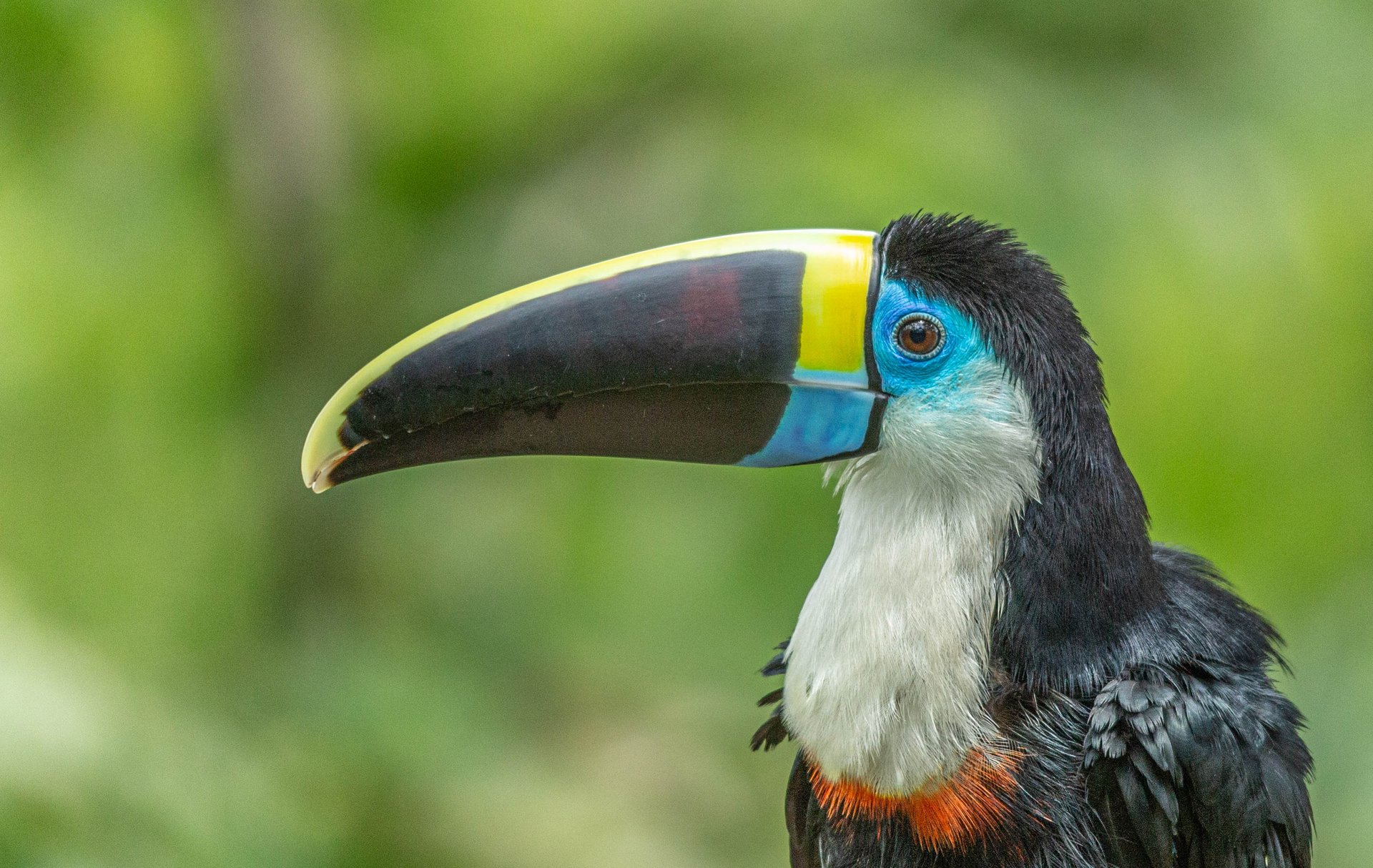
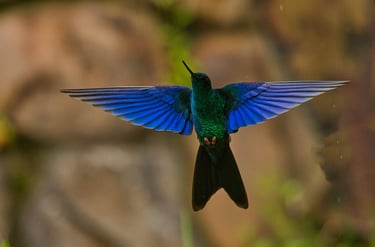
Our field sessions are planned around bird activity, natural light, habitat, and photography time, with opportunities to photograph species such as the Andean Cock-of-the-Rock, hummingbirds, tanagers, toucans, antpittas, macaws, cotingas, and other Amazonian birds.
Whether you photograph with a professional telephoto setup, a mirrorless camera, DSLR, or are developing your wildlife photography skills, Manu offers an exceptional environment for building a diverse portfolio of South American bird and wildlife images.
This is not simply a birding trip. It is a dedicated Peru bird photography expedition through one of the world's most extraordinary ecological gradients..
Highlights of the 6-day bird photography tour in Manu, Peru:
Expert-led birdwatching photography tours
Photograph rare and iconic species like the Andean Cock-of-the-Rock
Explore diverse ecosystems of Manu National Park
Capture vibrant Amazon wildlife in their natural habitats
Enjoy small-group birding trips in the Manu Biosphere Reserve
This Amazon wildlife photography Peru tour is ideal for anyone seeking a transformative experience in one of the world’s most extraordinary natural landscapes. Book your adventure today and discover why Manu National Park is the ultimate destination for birdwatching and photography in Peru.
Why Manu National Park Is Exceptional for Bird Photography
What Makes This Bird Photography Expedition Different?
This expedition is designed around the extraordinary range of habitats found across Peru. As we move through different elevations, the landscape changes—and so does the birdlife.
Andean ecosystems: High-elevation habitats provide opportunities to photograph species adapted to cold, rugged mountain environments, often against dramatic Andean backgrounds.
Cloud forest: As we descend, humid mountain forests create a completely different photographic environment, with lush vegetation, moss-covered trees, mist and diverse bird activity.
Transitional forest: These intermediate zones between the Andes and Amazonia are especially interesting for bird photographers because different ecological communities overlap, increasing the variety of species and photographic opportunities.
Amazon lowland rainforest: At lower elevations, the environment becomes warmer, denser and biologically richer, with a completely different composition of bird species and behaviors.
Different elevations: Elevation is one of the key reasons Peru offers such exceptional bird photography. Moving from the Andes toward the Amazon allows photographers to experience several distinct habitats within the same expedition.
Different bird communities: Each habitat supports its own bird community. Instead of photographing the same type of environment throughout the trip, photographers encounter different species, behaviors, backgrounds and lighting conditions as the elevation changes.
Morning photography: Early morning is prioritized whenever possible because birds are generally more active, temperatures are cooler, and soft morning light can provide better conditions for photography.
Natural light: We work with the available natural light rather than depending exclusively on artificial setups. Early morning light, filtered forest light, overcast conditions and changing illumination can all create different photographic possibilities.
Bird behavior: The objective is not simply to collect species photographs. We also look for behavior—feeding, flight, territorial displays, interactions, perching, courtship and other natural moments—whenever conditions allow.
Photography hides and feeders: These should only be mentioned for locations where they are actually part of the itinerary. When available, hides or feeders can provide photographers with controlled viewing positions while allowing us to work carefully around the birds. They should never be presented as guaranteed opportunities unless confirmed for the specific location and date.
Local birding expertise: Our local guides and photography team bring knowledge of the region, habitats, bird identification, local conditions and productive locations. This helps photographers spend less time simply searching and more time observing, composing and waiting for photographic opportunities.
The photographic advantage
The real advantage is the combination of elevation, habitat and local knowledge.
Instead of spending several days photographing one ecosystem, photographers can move through a succession of environments—from high Andean landscapes and cloud forest to transitional forest and Amazon lowlands.
That creates a constantly changing photographic experience:
Different elevation → different habitat → different bird community → different behavior → different background → different light.
For Photo Tours Peru, I would make this one of the central selling messages for your bird photography tours because it speaks directly to an experienced photographer: the diversity is not just about the number of species; it is about the variety of photographic situations.
Day 1: Cusco – Huacarpay - Huayquecha Biological Station.
Today we leave at 5:30am from the hotel heading towards laguna Huacarpay which will take approximately 45 minutes where we can see the ENDEMIC ***Bearded Mountaineer (Oreonympha nobilis) that is a special hummingbird found in the area. It is not the only hummingbird you can see in the region of Cusco but it does not exist in other parts of the world. We can also observe many other types of birds such as: Plumbeous rail (Pardirallus sanguinolentus), Cinnamon teal (Anas cyanoptera), Puna teal (Anas puna),Yellow billed pintail (Anas georgica),White tufted grebe (Rollandia rolland),Cinereous harrier (Circus cinereus), Black chested buzzard Eagle (Geranoaetus melanoleucus), Streak fronted thornbird (Phacellodomus striaticeps), Many colored rush tyrant (Tachuris rubrigastra), ***Rusty fronted canastero (Asthenes ottonis),and ***Creamy crested spinetail (Cranioleuca albicapilla),which are also an ENDEMIC birds, and many others; afterwards, we will have a quick breakfast and then continue looking for more birds around the lake. Later we will take the bus to Manu. Later we arrive in the highest part of the tour to have lunch at the entrance of the national park of Manu (3565masl.) From here we will enter the cloud forest to see tanagers, hummingbirds, antpittas, tyranulets, flycatchers, toucans and toucanets and many other bird species. We will arrive at our lodge Huayquecha around 4:30pm. At night before sleep we will look for Swallow tailed
Day 2: Huayquecha Biological Station - Cock of the Rock Lodge.
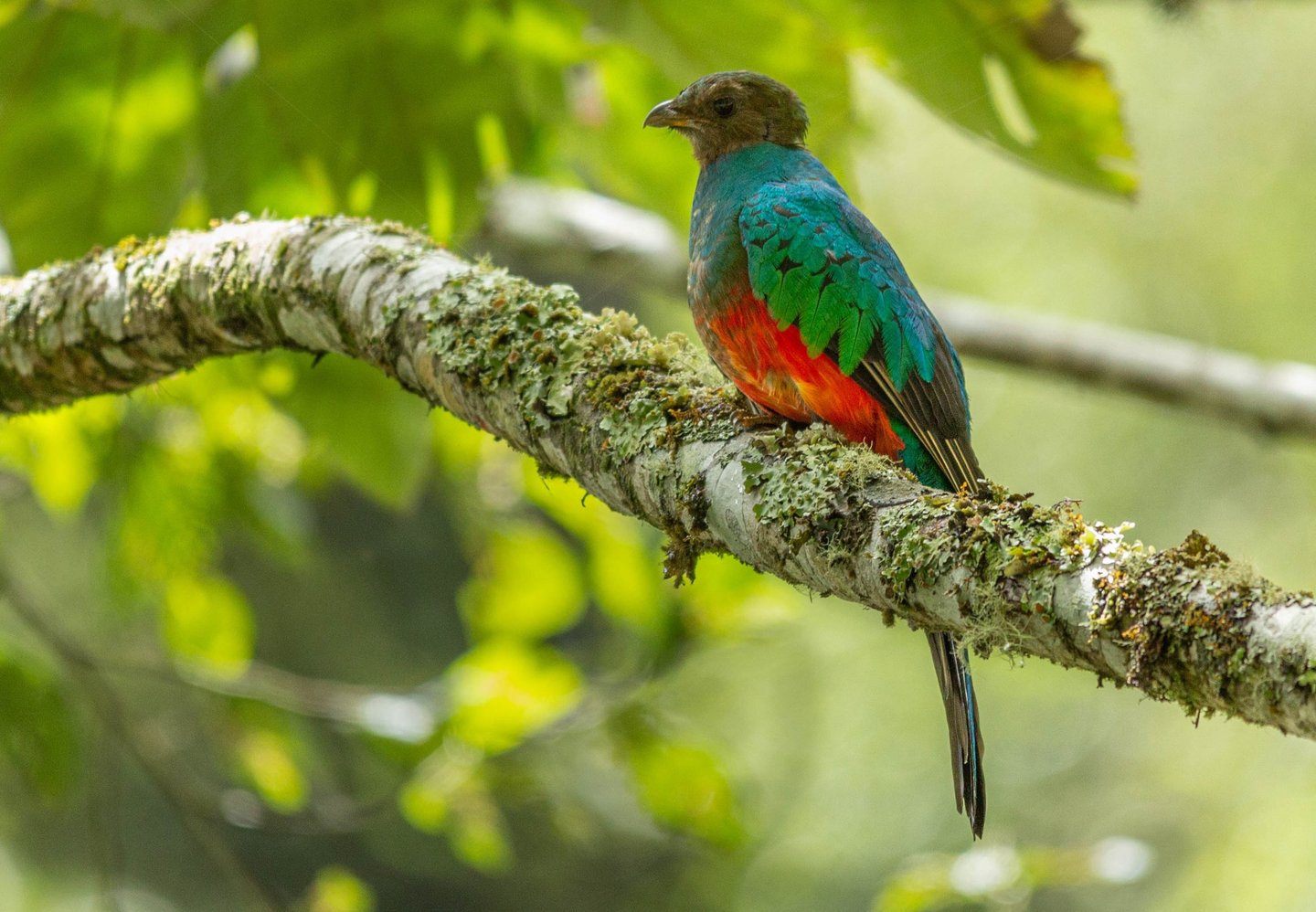
Today we will head to Cock of the Rock lodge. In the way we will search birds such as: Golden collared tanager (Iridosornis jelskii),Grass green Tanager (Chlorornis riefferii), Scaled metaltail (Metallura aeneocauda), Mountain Cacique (Cacicus chrysonotus), white collared jay (Cyanolyca viridicyanus), Barred parakeet (Bolborhynchus lineola), Barred fruiteater (Pipreola arcuata), Band tailed fruiteater (Pipreola intermedia), *** Marcapata Spinetail (Cranioleuca marcapatae), Red and white antpitta (Grallaria erythroleuca), Blue Banded Toucanet (Aulacorhynchus coeruleicinctis), Hooded Mountain Tanager (Buthraupis montana), Black and Chestnut Eagle (Spizaetus isidori), Black solitary Eagle (Buteogallus solitarius), White throated Antpitta (Grallaria albigula), Slaty Tanager (Creurgops dentatus),Slaty Backed Chat tyrant (Ochthoeca cinnamomeiventris), Fulvous Wren (Cinnycerthia fulva), Chestnut crested Cotinga (Ampelion rufaxilla), Crested Quetzal (Pharomachrus antisianus),Golden Headed Quetzal (Pharomachrus auriceps), Black Streaked Puffbird (Malacoptila fulvogularis),Yellow Throated Tanager (Iridosornis analis), Buff Breasted Mountain Tanager (Dubusia taeniata),Superciliary Hemispingus (Hemispingus superciliaris) and many more. This night we will look for Rufous-bellied Nighthawk (Lurocalis rufiventris).
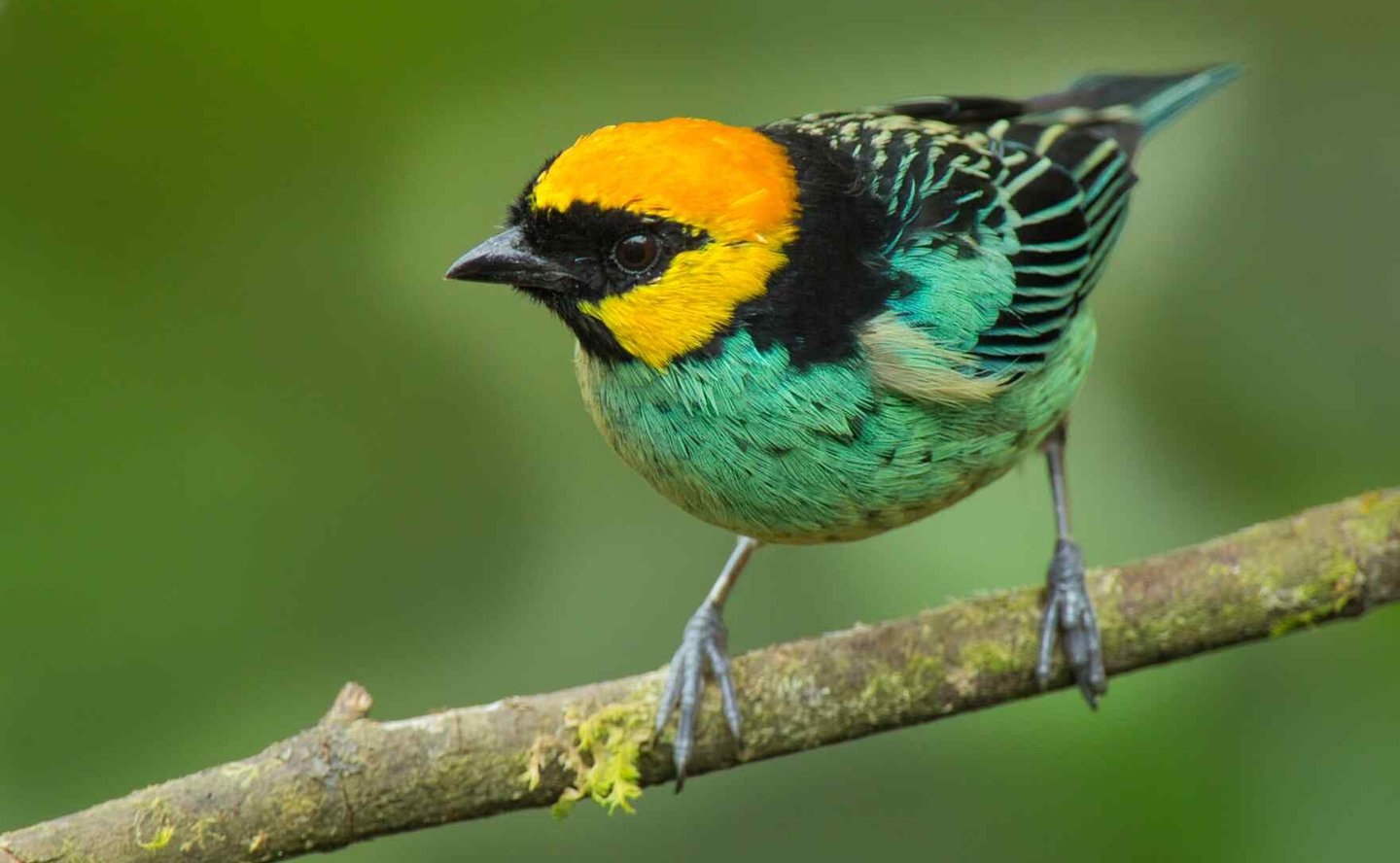
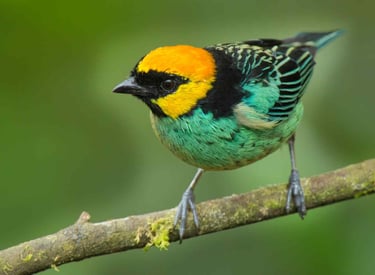
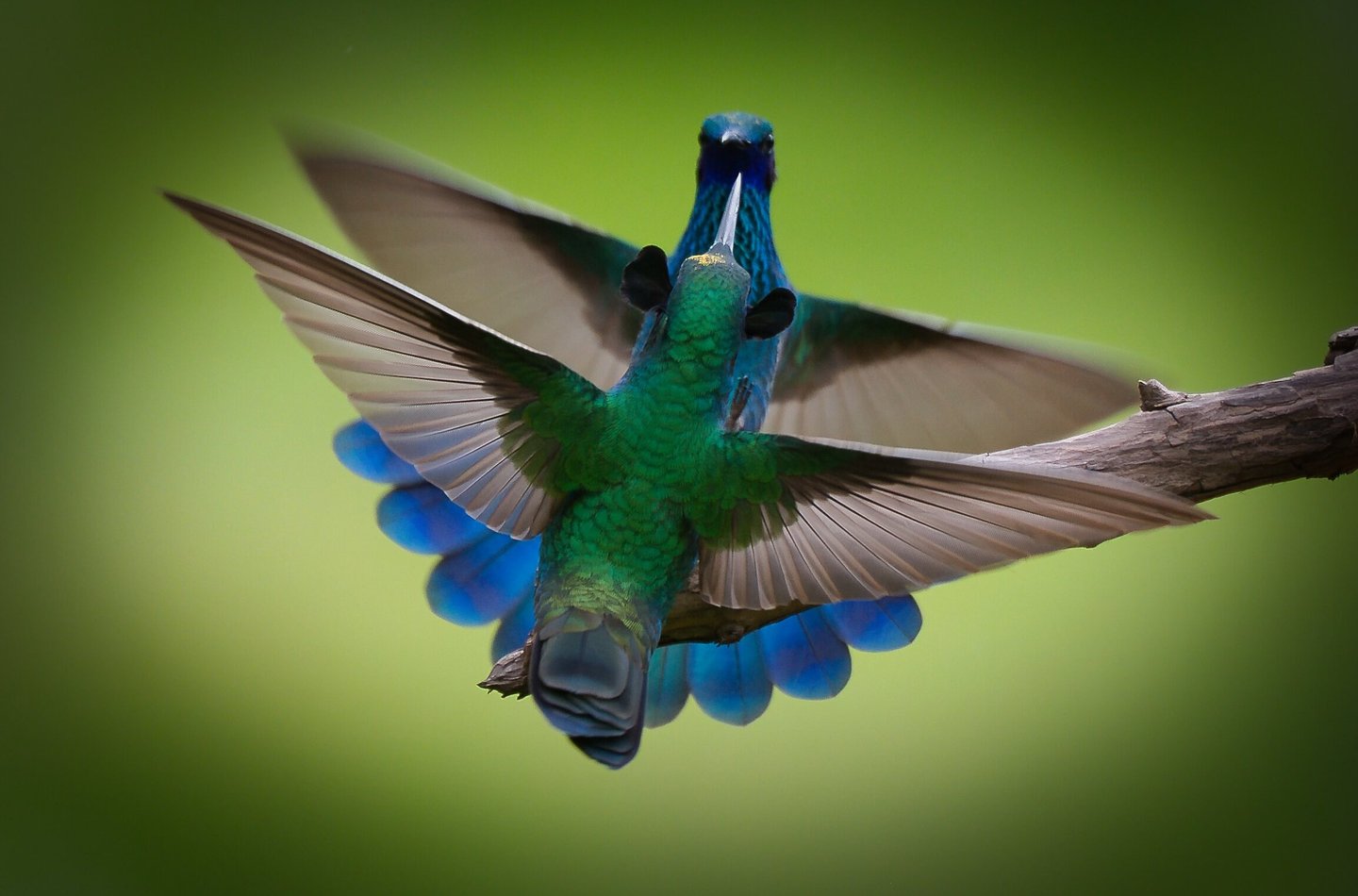
In order to visit the “Lek” of the Peruvian National Bird called the Andean Cock of the Rock we will have to start the tour very early in the morning. At the lek we can see the “Gallito de las Rocas” displaying; besides the Andean Cock of the Rock we can also see species like: White crowned Tapaculo (Scytalopus atratus), Yungas Manakin (Chiroxiphia boliviana),Crested Quetzal (Pharomachrus antisianus), Versicolored Barbet (Eubucco versicolor), Orange Eared Tanager (Chlorochrysa calliparaea), Highland Motmot (Momotus aequatorialis), and many more. After the morning activity we will return to the lodge for breakfast then go out for a walk along a trail to see more birds and such as: Slaty Gnateater (Conopophaga ardesiaca), Chestnut breasted Wren (Cyphorhinus thoracicus), Cinnamon faced Tyranulet (Phylloscartes parkeri), Spotted Nightingale Thrush (Catharus dryas), Amazonian Umbrellabird (Cephalopterus ornatus), Tyrannine Woodcreeper (Dendrocincla tyrannina), Masked Trogon (Trogon personatus), Crimson Bellied Woodpecker (Campephilus haematogaster), Black Streaked puffbird (Malacoptila fulvogularis), Paradise Tanager (Tangara chilensis), Saffron Crowned Tanager (Tangara xanthocephala), Golden Tanager (Tangara arthus), Brown Tinamou (Crypturellus obsoletus), and possibly monkeys. Later we will return to the lodge for lunch, around the lodge we have flowers that attacks hummingbirds; in total we will be able to see around 13 species of them: Booted Racket Tail (Ocreatus underwoodii), Wire crested Thorntail (Discosura popelairii), Gree Hermit (Phaethornis guy), Buff Tailed Sicklebill (Eutoxeres condamini), Many Spotted Hummingbird (Taphrospilus hypostictus), Violet Fronted Brilliant (Taphrospilus hypostictus),White Bellied Woodstar (Chaetocercus mulsant),Peruvian Piedtail (Phlogophilus harterti), long Tailed Sylph (Aglaiocercus kingi), Wedge Billed Hummingbird (Schistes geoffroyi),Speckled Hummingbird (Adelomyia melanogenys),Fawn Breasted Brilliant (Heliodoxa rubinoides), and common Sparkling Violetear (Colibri coruscans), are the species of hummingbirds we can see. After lunch we will take another walk along the road to see the Lyre-tailed nightjar (Uropsalis lyra) and the Rufescent Screech Owl (Megascops ingens). Then we will return to the lodge to have dinner.
Day 3: Cock of the rock lodge all day.
Day 4: Cock of the Rock Lodge - Amazonia lodge.
After breakfast we will drive towars our third lodge, in the way we will have chances to observe birds like Ornate flycatcher (Myiotriccus ornatus), Lanceolated monklet (Micromonacha lanceolata),Peruvian piedtail (Phlogophilus harterti),Black backed tody flycatcher (Poecilotriccus pulchellus), Black faced tanager (Schistochlamys melanopis), Blue headed Macaw (Primolius couloni),Chestnut fronted Macaw (Ara severus), Fiery capped Manakin (Machaeropterus pyrocephalus), White eyed parakeet (Psittacara leucophthalma), Chestnut backed Antshrike (Thamnophilus palliatus), Golden Tanager (Tangara arthus), Orange eared Tanager (Chlorochrysa calliparaea), Black solitary eagle (Buteogallus solitarius),and much more. Once we reach Atalaya we will switch our transportation and start sailing down river for about 15minutes. At the Lodge we will be able to see: Rufous crested coquette (Lophornis delattrei), Violet headed humminbird (Klais guimeti), Golden tailed sapphire (Chrysuronia oenone),koepcke´s Hermit (phaethornis koepckeae),Amethyst woodstar (Calliphlox amethystina), Rufous webbed Brilliant (Heliodoxa branickii),and Gould´s jewelfront (Heliodoxa aurescens). Along the trails we can also see: Amazonian Antpitta (Hylopezus berlepschi), Blue headed macaw (Primolius couloni),Great Tinamou (Tinamus major), Spot back antbird (Myrmeciza exsul), Hoalzin (Opisthocomus hoazin),Sungrebe (Heliornis fulica),Chestnut capped puffbird (Bucco macrodactylus), among other birds. After dinner we will return to the trail to observe owls such as: Tawny bellied screech owl (Megascops watsonii), Long tailed potoo (Nyctibius aethereus), Black bandad owl (Strix huhula), Great potoo (Nyctibius grandis), and Band Bellied owl (Pulsatrix melanota).
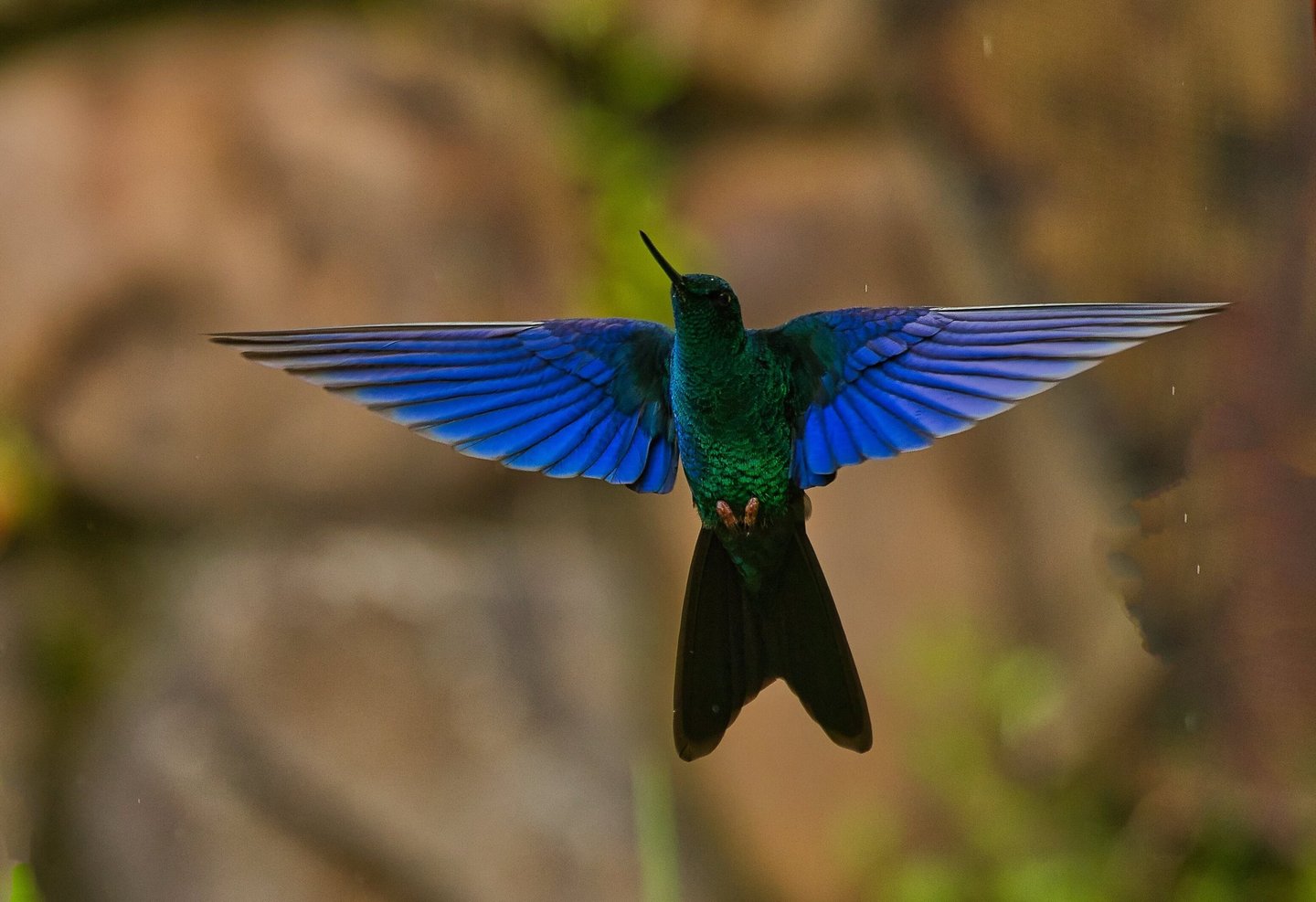
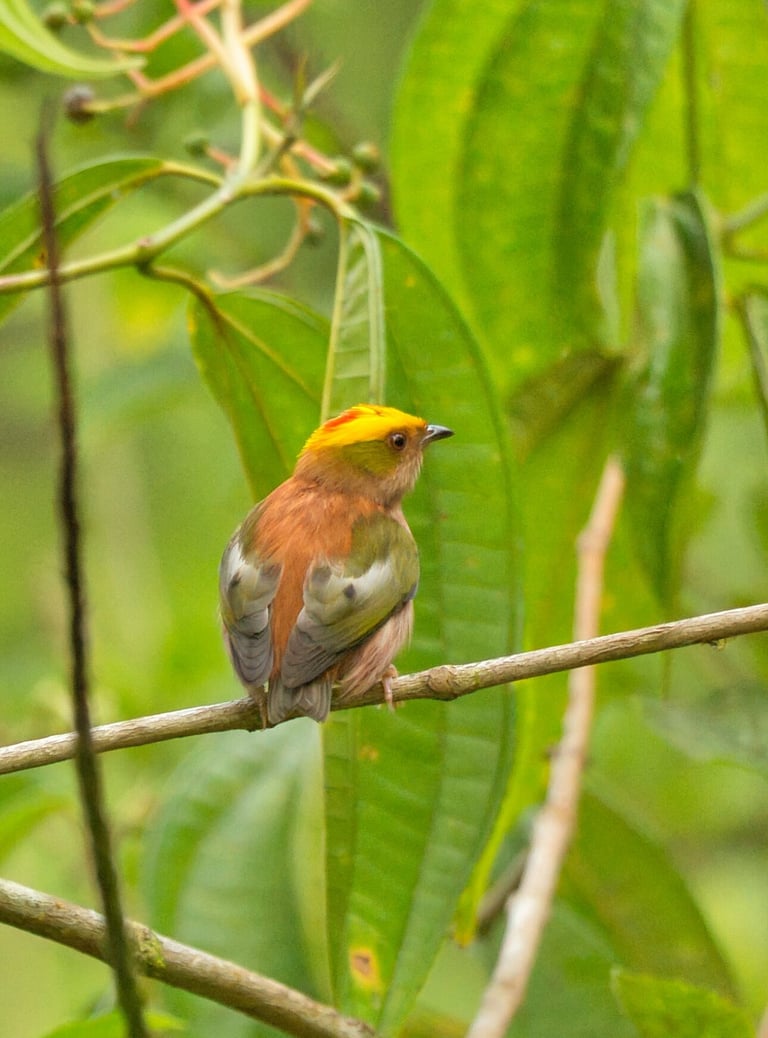
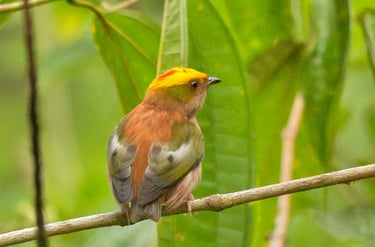
This day we will start our day after breakfast and do some birding along the trail as well as from a observation tower where we may see canopy bird species such as: Plum-throated Cotinga (Cotinga maynana), Spangled Cotinga (Cotinga cayana), Opal rumped tanager (Tangara velia), Turquoise tanager (Tangara mexicana), Round tailed Manakin (Ceratopipra chloromeros), Striolared puffbird (Nystalus striolatus), Half collared Gnatwren (Microbates cinereiventris), Tawny-throated Leaftosser (Sclerurus mexicanus), Razor billed Corassow (Mitu tuberosum), Military Macaw (Ara militaris), and much more. Then we will return to the lodge for lunch before hiking into another trail to observe: Scarlet Hooded Barbet (Eubucco tucinkae), Lemon throated Barbet (Eubucco richardsoni), Buff Throated Woodcreeper (Xiphorhynchus guttatus), Red Billed Tyrannulet (Zimmerius cinereicapilla), Fine Barred Piculet (Picumnus subtilis), Double Toothed Kite (Harpagus bidentatus), Undulated Tinamou (Crypturellus undulatus), Rufous breasted Piculet (Picumnus rufiventris), and Plain browen Woodcreeper (Dendrocincla fuliginosa), Blue crowned Trogon (Trogon curucui), Red Throated Caracara (Ibycter americanus), Chestnut fronted Macaw (Ara severus), Black Capped Tinamou (Crypturellus atrocapillus), Cinereous Tinamou (Crypturellus cinereus), Bluish fronted Jacamar (Galbula cyanescens), Pygmy Antwren (Myrmotherula brachyura), Goldi’s Antbird (Myrmeciza goeldii), and others. Late in the afternoon we will return to the lodge for dinner.
Day 5: Amazonia lodge All Day.
Day 6: Amazonia Lodge – Parrot Clay Lick - Cusco.
Early in the morning we will visit a Parrot Clay Lick, this is a clay Lick wall on the riverside, where different species of parrots and macaws come down each morning to extract necessary minerals for their diet balance. The Parakeets, Amazon Parrot, the Blue headed Parrot, Chestnut fronted Macaw, and the Blue Headed Macaw give an unforgettable pallet of colored wild life. After this activity we will sail up river towards Atalaya from where we will continue our tour by bus all the way to Cusco.
From the Andes to the Amazon
One of the defining features of this Manu bird photography expedition is the dramatic change in elevation and habitat along the route.
The journey begins around the high Andean landscapes near Cusco before descending through Polylepis and cloud forest habitats toward the Amazon lowlands. As the elevation changes, so does the birdlife.
This ecological transition creates opportunities to photograph different bird communities within a single expedition, from Andean hummingbirds and mountain tanagers to toucanets, antpittas, cotingas, macaws, and other Amazonian species.
For photographers, the diversity is especially valuable: different habitats provide different backgrounds, lighting conditions, behaviors, and compositions throughout the journey.
Bird Species You May Photograph in Manu
Andean & Cloud Forest Birds
Andean Cock-of-the-Rock
Golden-headed Quetzal
Blue-banded Toucanet
Mountain Tanagers
Hummingbirds
Antpittas
Fruiteaters
Amazonian Birds
Macaws
Toucans
Puffbirds
Cotingas
Antbirds
Trogons
Woodcreepers
Tinamous
Nocturnal Photography Opportunities
Owls
Potoos
Nightjars
What Makes This a Photography Expedition?
This itinerary is designed around photography rather than simply sightseeing.
Early-morning field sessions
Bird activity is often highest during the morning, when natural light can also provide favorable conditions for photography.Multiple habitats
The route crosses Andean, cloud forest, and Amazonian environments, creating opportunities for different species and photographic backgrounds.Photography-friendly pacing
We allow time to stop, observe, compose, focus, and wait for natural behavior rather than rushing from one location to another.Birding knowledge in the field
Local guides help identify species, understand habitat, and locate potential photographic opportunities.Wildlife and environmental storytelling
Beyond close-up bird portraits, photographers can create wider images showing birds within the rainforest and cloud-forest landscapes.Different photographic possibilities
Depending on conditions and species activity, you may work on perched bird portraits, birds in flight, behavioral images, environmental portraits, and rainforest scenes.Who Is This Manu Bird Photography Tour For?
Bird photographers
Wildlife photographers
Nature photographers
Birdwatchers
Beginner photographers
Amateur photographers
Enthusiast photographers
Advanced photographers
Professional photographers
Travelers interested in Amazon wildlife
Y aquí podemos atacar búsquedas como:
bird photography tour for beginners
wildlife photography Peru
professional bird photography tour Peru.
Frequently Asked Questions
Is Manu National Park good for bird photography?
Manu offers a remarkable range of habitats, from Andean and cloud-forest environments to Amazonian lowland rainforest, creating opportunities to photograph a wide variety of bird species.
What birds can I photograph in Manu National Park?
Depending on location, season, weather, and wildlife activity, photographers may encounter Andean Cock-of-the-Rock, hummingbirds, tanagers, toucans, antpittas, macaws, cotingas, puffbirds, trogons, woodcreepers, and many other species.
Is this tour suitable for beginner bird photographers?
Yes. The expedition can accommodate photographers at different experience levels, although participants should be comfortable with early starts, walking, changing weather conditions, and travel between different elevations.
What camera equipment should I bring for bird photography in Manu?
A camera body with a telephoto lens is recommended for bird photography. A 100–500mm, 200–600mm, or similar lens can be useful, depending on your preferred style and equipment. A wide-angle lens can also be valuable for rainforest landscapes and environmental wildlife images.
Can non-photographers join the expedition?
A dedicated bird photography expedition from the Andes to the Amazon.
Designed for photographers who want time in the field, diverse habitats, expert local knowledge, and opportunities to photograph Peru's extraordinary birdlife.
Included:-
Included:- All lodging with private bathroom & Hot and cold shower.
– All Meals, snacks, drinking water (vegetarian on request). B:L:D.
– Private transportation ( bus/van & boat)
– Professional expert bilingual Natural History Guide with a spotting scope.
– Hotel transfer and entrance fees.
– First Aid Kit with a poison extractor.
– Flora and fauna checklist.
Not Included:- Does not include air Cusco-Puerto Maldonado-Cusco, but we will purchase these on request
– Airport tax & Personal expenses
TRIPS CONSIDERATIONS
CLIMATE: Hot and humid in the lowlands. This is a dry season tour, but there is the possibilty of a “Friaje”, a strong cold front moving up from the south that can bring periods of unusually cool weather and rain.
DIFFICULTY: Easy there are some long journeys and early starts, but the walking is usually fairly easy.
ACCOMMODATION: The jungle lodges are comfortable but simple; some do not have full-time electricity, but provide a generator for a few hours a day to charge batteries. Matsiguenka Camping Lodge in the Reserved Zone of Manu National Park has shared bathroom facilities and cold showers. Manu Birding Lodge consists of double rooms with a private toilet and shower facilities. Hot and cold water is always available and all toilet facilities are flush.
Wildlife Photography: Opportunities are worthwhile.
What to Bring
We advise you to bring:
Besides from Binoculars and photo-equipment(the important Wildlife Enthusiast stuff) we advise:
Flashlight for night walk
Light day pack
A bottle or canteen to carry water on outings
Sunscreen and insect repellent
T-shirts and a long-sleeved shirt
Jeans or other cotton pants are comfortable, as well as quick-drying nylon ones.
Cotton socks
Light jacket, water resistant, or poncho
Hiking boots or sturdy shoes
Sandals for after hours
Hat that will not come off in windy boat rides and sunglasses
Plastic bags for camera, clothes, etc
Personal toiletries (shampoo, towel, etc)
NOTE: In the rainy season we provide umbrella and rubber boots in many popular sizes for rainy days.
Manu Birding Lodge looks forward to welcoming and guiding you soon!
Last minute bookings will be accepted but you must be aware that there is the possibility that we will not get space at the lodge or tour that you need.
Price per person:2026
1.- person$3,950
2.- people$3,050
3.- people$2,850
4.- people$2,700
5.- people$2,600
6.- people$2,500
Green Team Commitment – Responsible Photography with Photo Tours Peru
At Photo Tours Peru, we believe photography should protect the places we explore. Every photography expedition—from the Andes to the Amazon—is guided by a Green Team philosophy, ensuring that our tours respect nature, wildlife, and local communities.
Our goal is simple: capture extraordinary images while leaving every location better than we found it.
1. Leave No Trace Photography
Our photography tours follow the internationally recognized Leave No Trace principles, which emphasize minimizing environmental impact when traveling in nature.
Key practices include:
• Carry out all trash and waste
• Avoid single-use plastic bottles
• Stay on established trails and paths
• Do not move rocks, plants, or natural elements for photos
• Leave archaeological sites and landscapes untouched
These practices protect fragile ecosystems and help preserve natural landscapes for future generations.
2. Respect Wildlife and Natural Habitats
Wildlife photography requires patience and responsibility.
On our tours we:
• Observe animals from a safe distance
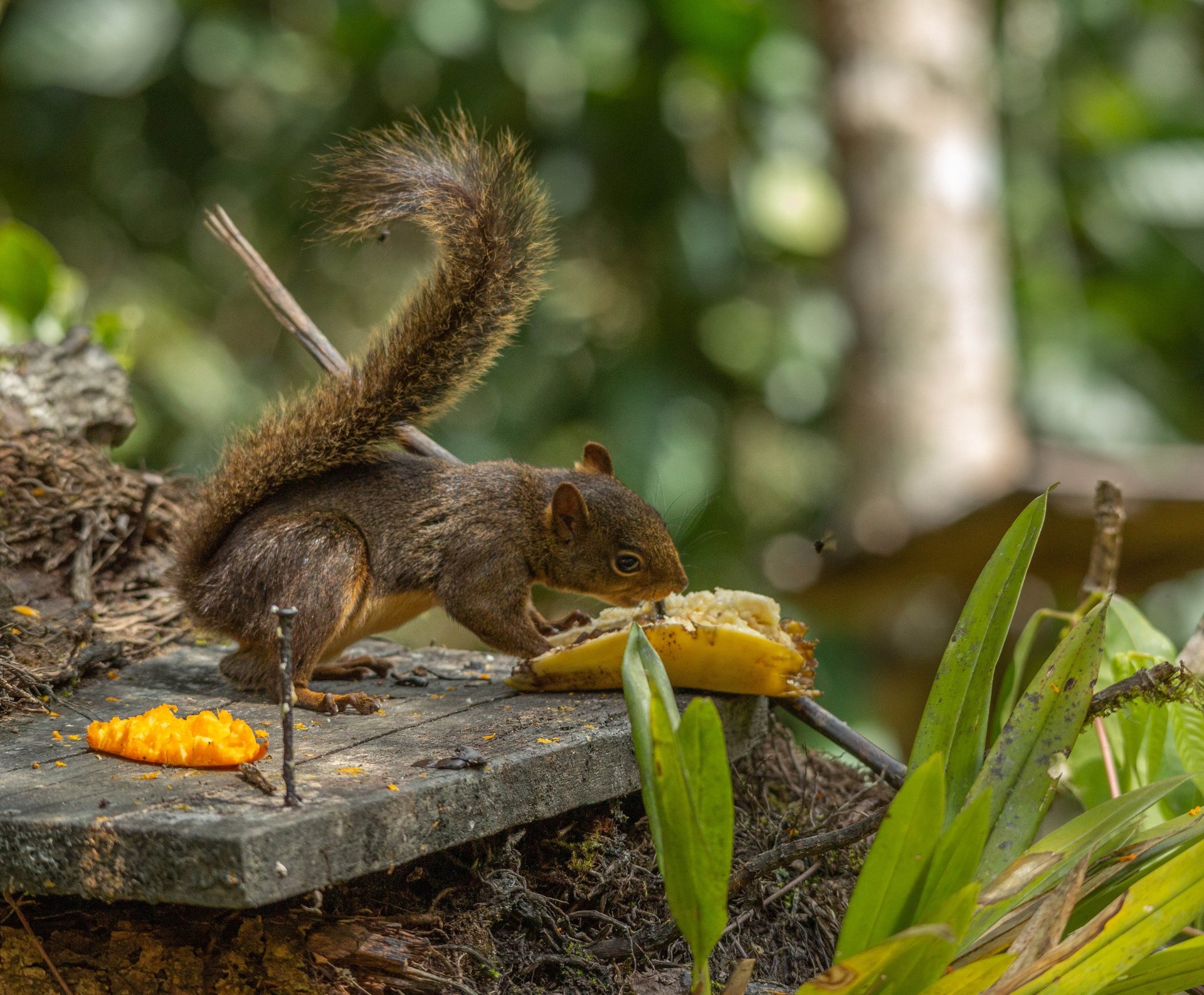
• Never feed or disturb wildlife
• Avoid loud noise or sudden movement
• Use telephoto lenses instead of approaching animals
If wildlife changes behavior, it means the photographer is too close and must move away.
3. Protect Cultural Heritage
Many photography tours visit indigenous communities and historic sites.
Our Green Team approach includes:
• Always asking permission before photographing people
• Respecting cultural traditions and sacred places
• Supporting local artisans and communities
• Avoiding staged or exploitative photography
Photography should tell respectful human stories, not exploit them.
4. Small Group Photography Expeditions
All Photo Tours Peru expeditions prioritize small groups to reduce environmental impact.
Benefits:
• Less pressure on fragile ecosystems
• More respectful interaction with local communities
• Better photography opportunities
• Lower environmental footprint
Sustainable photo tours often limit groups to ensure minimal disturbance to nature.
5. Support Local Communities
Responsible tourism helps protect destinations when local people benefit from tourism.
Photo Tours Peru supports:
• Local guides and communities
• Family-owned lodges and homestays
• Indigenous cultural projects
• Local conservation initiatives
When communities benefit economically from tourism, they are more motivated to protect their environment and culture.
Contact
Email: phototourperu@gmail.com
Phone: +51 940188346
© 2025. All rights reserved.
Designed by Zihna