Huayhuash Photography Trek: 12-Day Landscape & Astrophotography Expedition
Why Photographers Choose Huayhuash Landscape & Stargazing Trek workshop 2026
Home / Huayhuash Landscape & Stargazing photography Trek 12 Day
Photograph the dramatic Cordillera Huayhuash on a 12-day photography expedition through one of the most spectacular mountain landscapes in the Peruvian Andes.
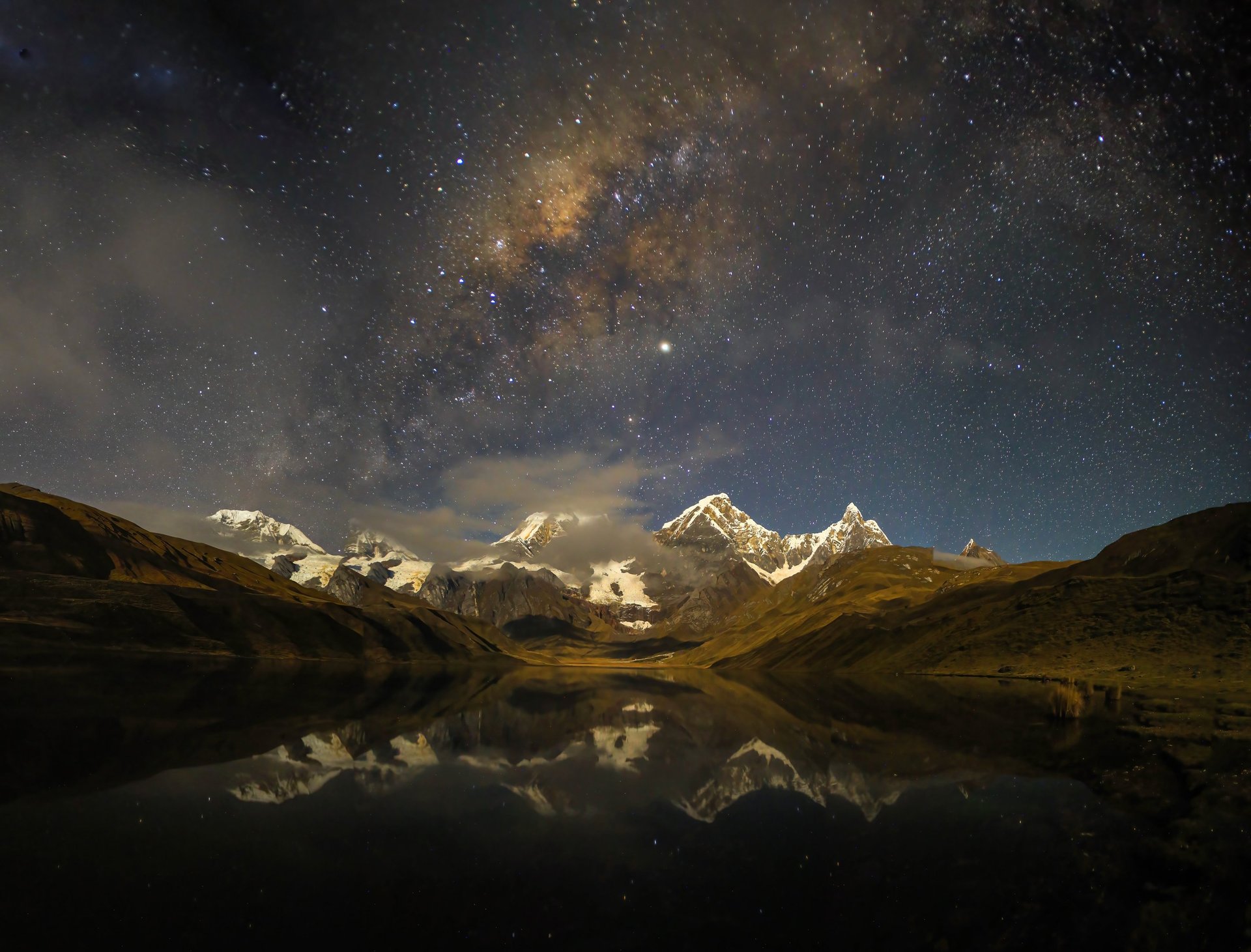
This photography-focused trek is designed for photographers who want more than a conventional hiking experience. Throughout the journey, we create opportunities for landscape photography, sunrise and sunset sessions, glacial lake reflections, long exposures, mountain panoramas, nightscapes and Milky Way photography.
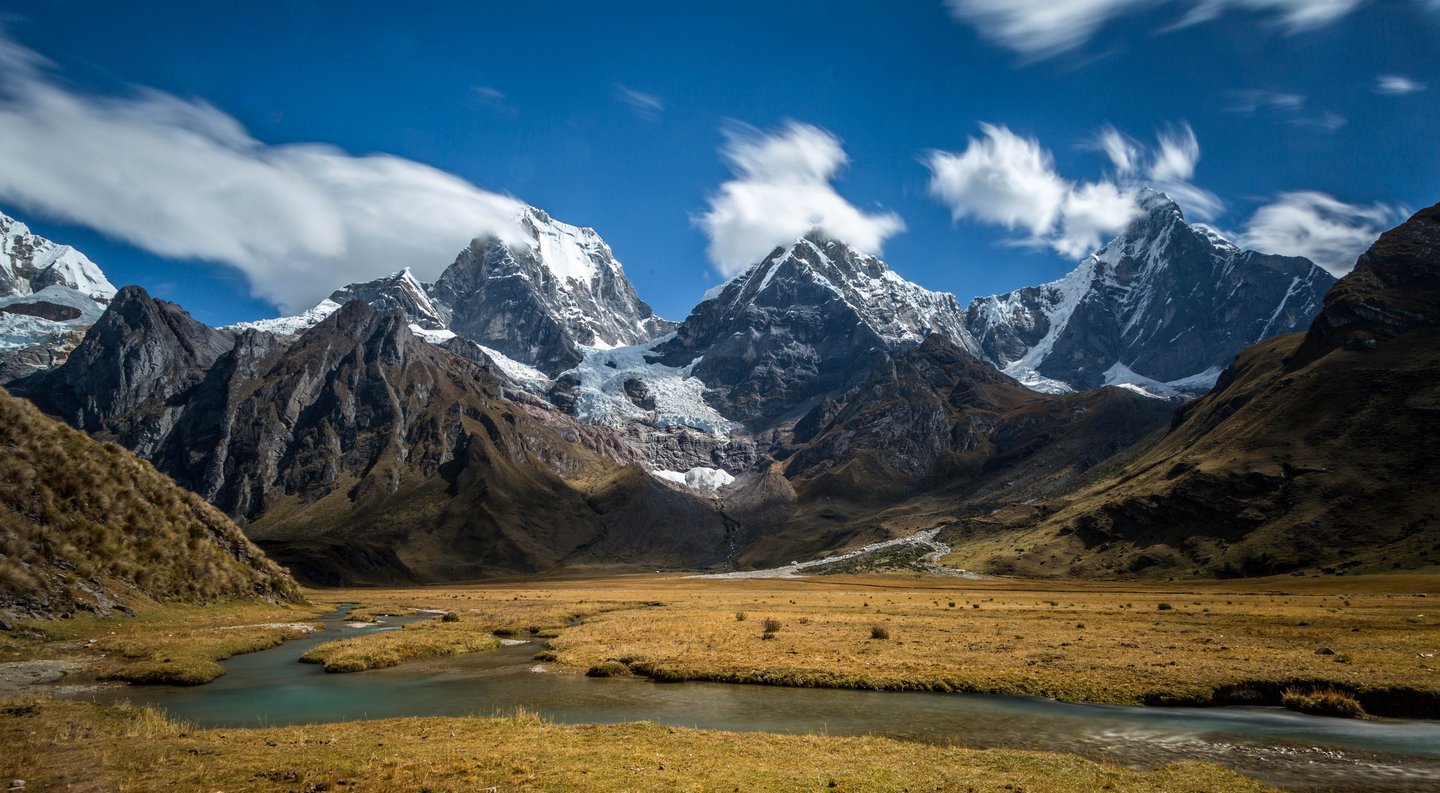
From Laguna Carhuacocha and Laguna Jahuacocha to the high passes and viewpoints surrounding Yerupajá, Siula Grande and Jirishanca, the route offers a constantly changing combination of alpine light, dramatic peaks, turquoise lakes and remote Andean landscapes.
With professional photography guidance, small-group departures and time dedicated to scouting compositions, this Huayhuash photography trek allows you to experience the mountains while developing stronger landscape and astrophotography skills.
12 Days | Small Groups | Landscape Photography | Astrophotography | High-Altitude Trekking
Request Availability | Ask About Private Departures.
WHY HUAYHUASH?
Why Photograph the Cordillera Huayhuash?
The Cordillera Huayhuash is a spectacular mountain range in the Peruvian Andes, known for its dramatic peaks, high-altitude passes, glacial lakes and remote valleys.
For photographers, the attraction is not only the scale of the mountains. The landscape changes dramatically throughout the day. Early morning can bring soft alpine light across the peaks, while afternoon clouds can create layers, shadows and atmospheric conditions. At sunset, the mountains can take on warmer tones before the landscape transitions into blue hour and, when conditions are suitable, the night sky.
This combination makes Huayhuash particularly interesting for landscape photography and astrophotography in Peru.
The expedition also gives photographers the opportunity to work with different compositions, including:
Mountain reflections
Glacial lakes
Snow-covered peaks
High-altitude valleys
Mountain silhouettes
Foreground rocks and alpine vegetation
Trekker and tent silhouettes
Stars and Milky Way
Long-exposure landscapes
Sunrise and sunset scenes
WHAT MAKES THIS A PHOTOGRAPHY TREK?
More Than a Traditional Huayhuash Trek
A conventional trekking itinerary is primarily organized around reaching the next campsite.
This expedition adds a different priority: photography.
Throughout the route, we look for opportunities to work with changing light, mountain layers, reflections, foreground elements and night skies. When conditions allow, photographers can scout compositions before sunset and return to selected locations after dark.
The goal is not to guarantee a particular photograph—mountain weather and celestial conditions cannot be controlled—but to create more opportunities for photographers to work deliberately with the landscape.
You do not need to be a professional photographer.
The expedition can suit:
Beginner photographers
Amateur photographers
Photography enthusiasts
Advanced photographers
Landscape photographers
Astrophotographers
Travel photographers
Photographers using mirrorless or DSLR cameras
Travelers who simply enjoy photographing mountains and nature
PHOTOGRAPHY HIGHLIGHTS
Landscape Photography
The Huayhuash circuit provides a wide variety of mountain compositions.
Photograph dramatic peaks such as Yerupajá, Siula Grande and Jirishanca, along with glaciers, valleys, high passes and turquoise alpine lakes.
We encourage photographers to work with different focal lengths rather than relying exclusively on ultra-wide compositions.
Look for:
Layered mountain landscapes
Compressed telephoto views
Glacier details
Rock textures
Reflections
Atmospheric perspective
Human-scale compositions
Environmental storytelling
Glacial Lake Photography
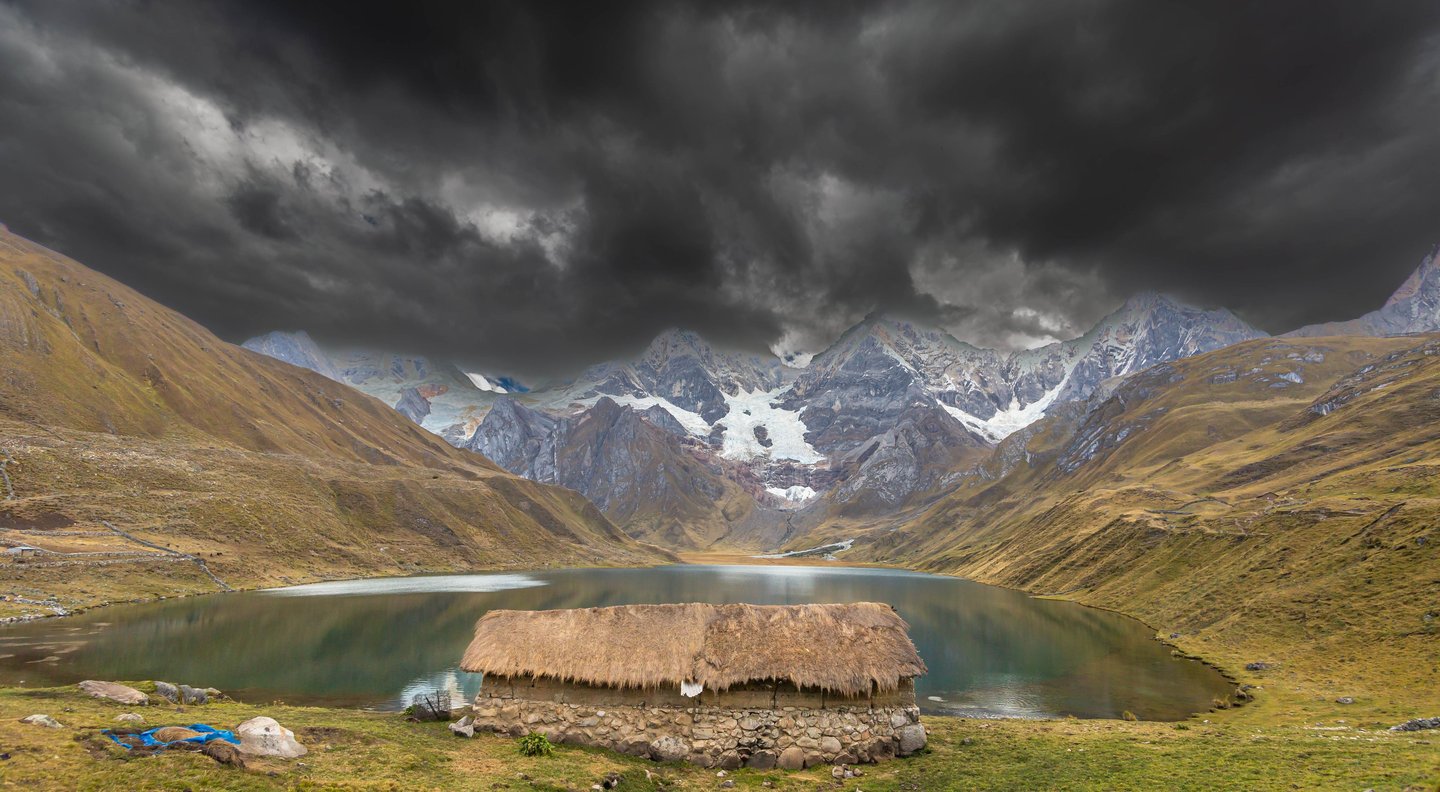
Several high-altitude lakes provide excellent opportunities for reflection photography when wind and weather conditions cooperate.
Carhuacocha and Jahuacocha are particularly valuable locations for combining water, mountain peaks and changing light.
Use the lakes as foreground elements while experimenting with:
Reflections
Long exposures
Panoramas
Vertical compositions
Telephoto details
Foreground textures
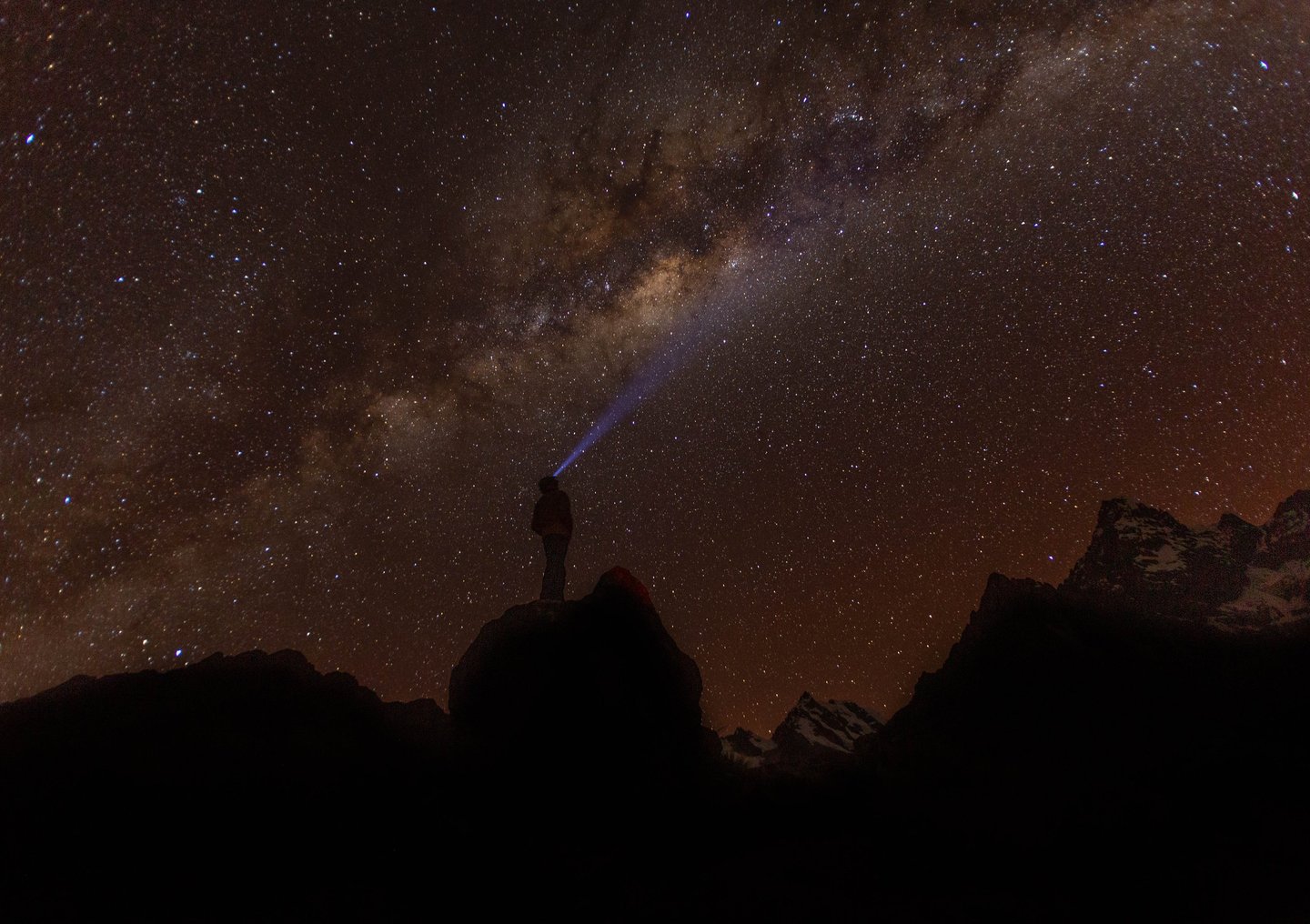
Milky Way Photography
The remote nature of the Huayhuash region provides opportunities for photographing the night sky away from urban environments.
Depending on weather, cloud cover, moon phase, seasonal conditions and the position of the Milky Way, photographers may work on compositions featuring the Milky Way above mountain peaks and glacial lakes.
Possible compositions include:
Milky Way over Yerupajá
Stars above Carhuacocha
Mountain silhouettes
Tent and camp compositions
Star reflections
Wide-angle nightscapes
Moonlit mountain scenes
Astrophotography sessions are always weather dependent.
Nightscape Photography
Night photography is an important part of this expedition.
When skies are clear, we can scout foregrounds and use the mountains, lakes, rocks and camps as compositional elements.
The objective is not simply to photograph stars, but to create a complete night landscape with a strong relationship between the sky and the Andean terrain.
Sunrise, Golden Hour & Blue Hour
The most dramatic mountain photographs often depend on light rather than location alone.
Throughout the trek, we look for opportunities during:
Early morning
Soft light and changing colors across the mountain peaks.
Golden hour
Warm directional light emphasizing ridges, glaciers and textures.
Blue hour
Cooler tones after sunset that can work particularly well with mountain silhouettes and artificial camp lights.
Moonlight
When the lunar phase and weather cooperate, moonlight can illuminate mountains and create a different type of nightscape.
ASTROPHOTOGRAPHY IN HUAYHUASH
Photograph the Peruvian Andes After Dark
The Cordillera Huayhuash offers a compelling combination for astrophotographers: dramatic mountain foregrounds and remote high-altitude landscapes.
During suitable conditions, you may photograph:
Milky Way landscapes
Star trails
Mountain silhouettes
Moonlit peaks
Star reflections
Tent and campsite compositions
Long-exposure nightscapes
Because astrophotography depends on natural conditions, we never guarantee clear skies or a specific celestial event.
Instead, our approach is flexible: when the sky opens, we take advantage of the opportunity.
Cordillera Huayhuash Photography Expedition 12 Days of Andean Landscapes & Night Sky Photography
Photography focus: Andean landscapes, sunset and first nightscape opportunities.
We leave Huaraz and travel toward Chiquian and Cuartelhuain, entering the dramatic landscapes surrounding the Huayhuash region.
The journey itself offers opportunities to photograph Andean villages, valleys, mountain ridges and changing afternoon light.
After arriving at Cuartelhuain, we settle into camp and prepare for the first evening photography session.
If conditions are favorable, the surrounding mountains become the foreground for early night photography.
Main photography opportunities:
Andean valleys
Mountain silhouettes
Sunset light
Blue hour
Star photography
Camp and mountain compositions
Day 1 – Huaraz – Chiquian – Cuartelhuain
Trekking time: approximately 5–6 hours
Altitude: approximately 4,700 m at Cacananpunta Pass
Photography focus: High-altitude landscapes, panoramic mountain views and night photography.
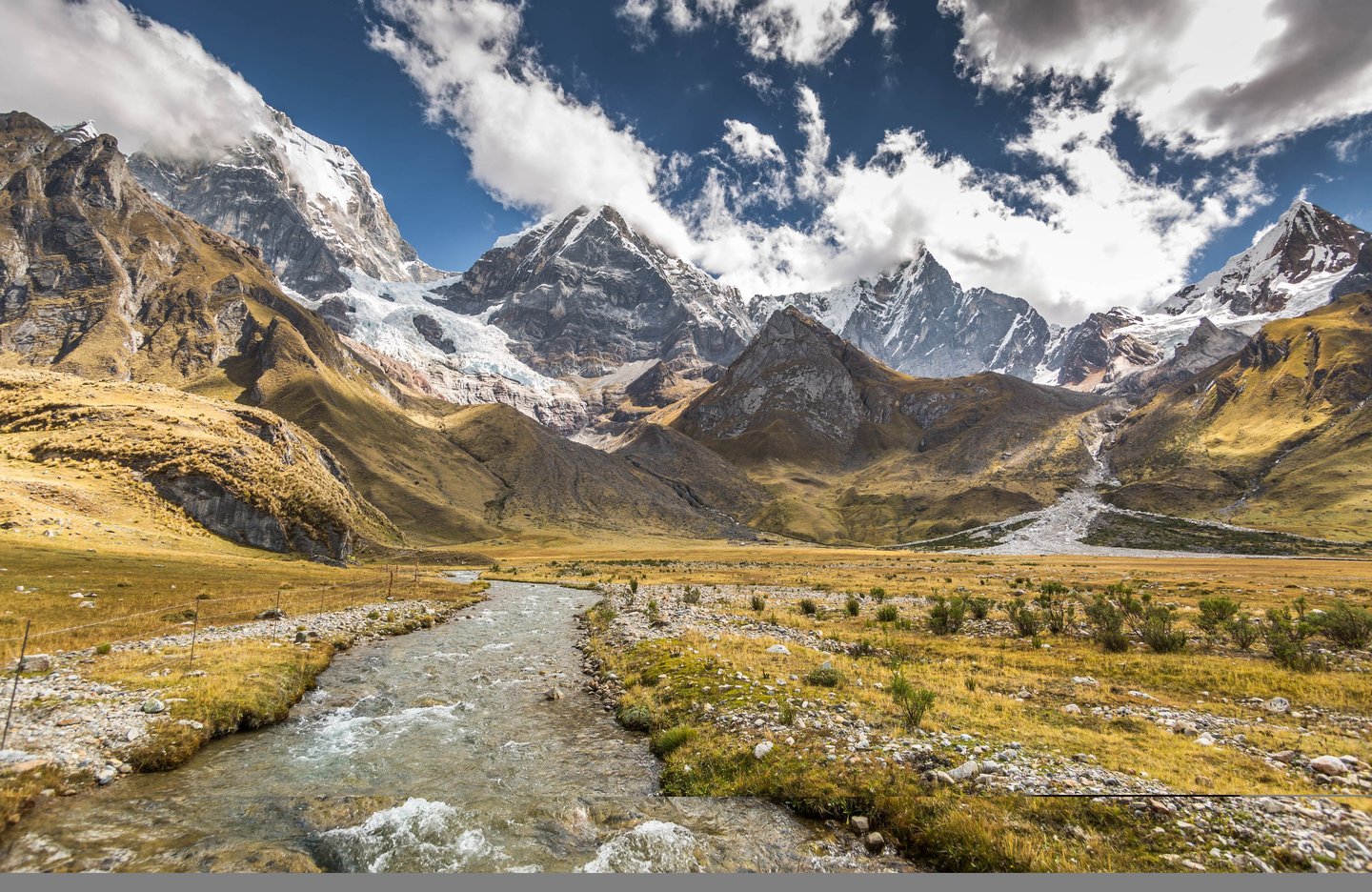
The route climbs toward Cacananpunta Pass, where the landscape opens into broad views of the surrounding Huayhuash mountains.
The pass provides opportunities for wide panoramic compositions, mountain layers and changing atmospheric conditions.
We continue toward Janca, where the evening provides another opportunity to photograph the landscape during sunset and, if conditions permit, the night sky.
Day 2 – Quartelhuain – Cacananpunta Pass – Janca
Altitude: approximately 4,200 m
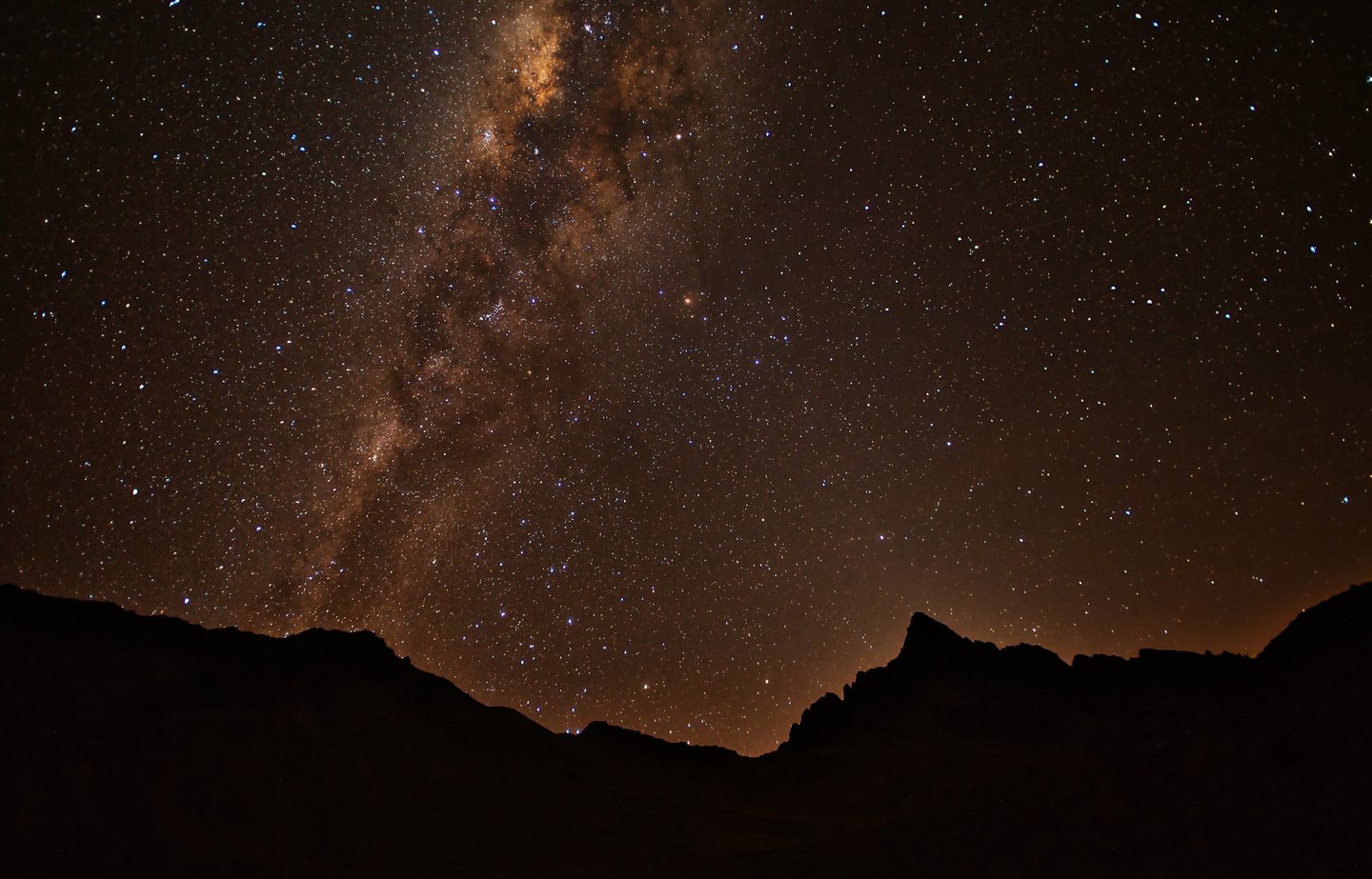
Photography focus: Mountain panoramas, glacial lakes and nightscape photography.
We continue toward Laguna Carhuacocha, one of the major photographic highlights of the route.
As the trail approaches the lake, the relationship between water, mountains and sky creates numerous possibilities for landscape compositions.
The surrounding peaks, including Yerupajá, Siula Grande and Jirishanca, provide dramatic subjects.
After establishing camp, photographers can explore compositions around the lake.
Weather permitting, the evening offers opportunities for:
Sunset
Blue hour
Milky Way
Star trails
Mountain silhouettes
Reflections
Day 3 – Janca – Carhuac Pass – Laguna Carhuacocha
Day 4 – Carhuacocha – Huayhuash
Trekking time: approximately 5–6 hours
Altitude: approximately 4,300 m
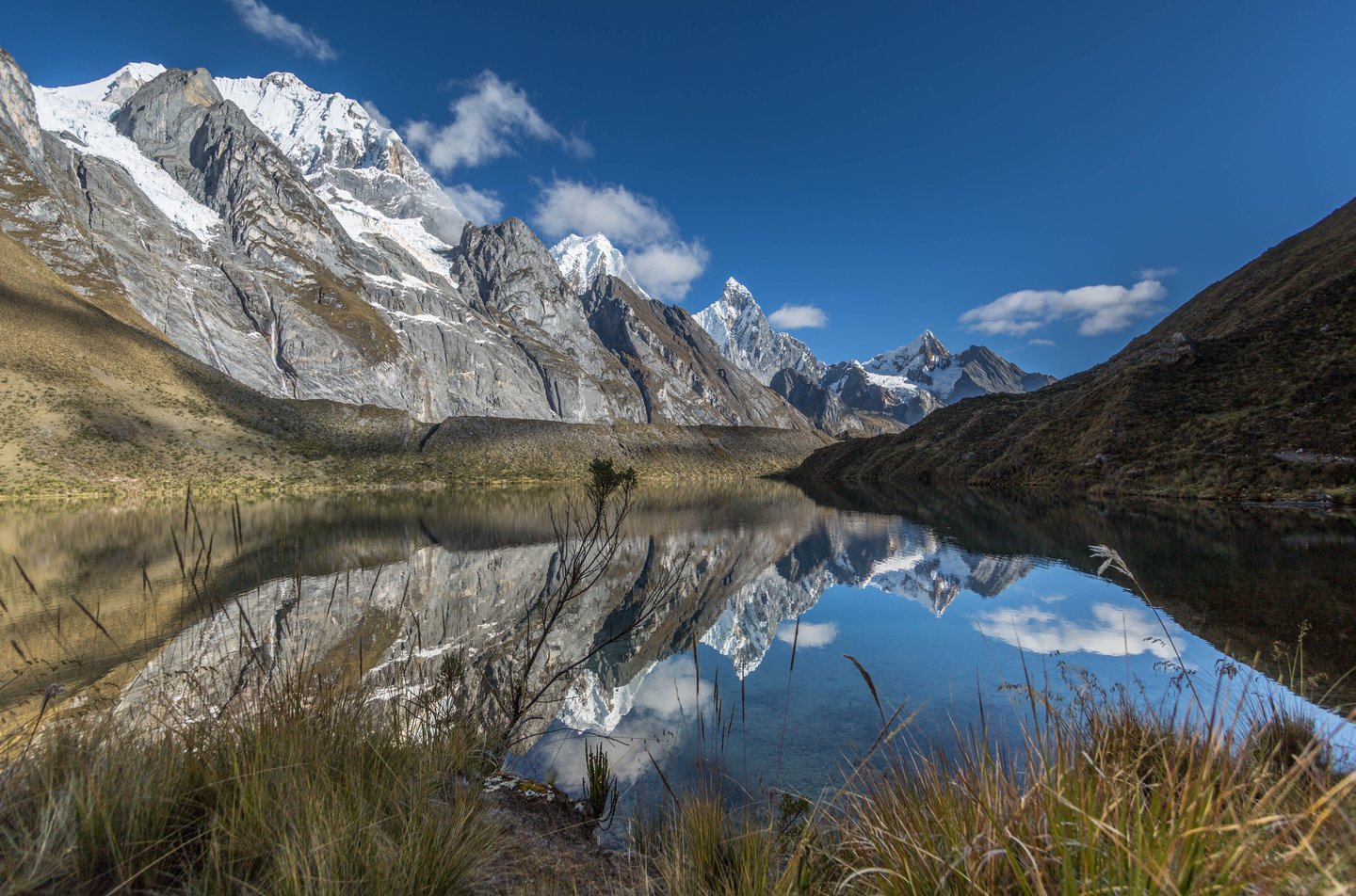
Photography focus: Glacial lakes, mountain reflections and high-altitude landscapes.
We leave Carhuacocha and continue toward Huayhuash.
The route provides changing views of the mountains and high-altitude valleys, with opportunities to photograph glaciers, rocky textures and expansive Andean landscapes.
As we reach the Huayhuash area, the surrounding peaks become increasingly dramatic.
After sunset, photographers can work on nightscape compositions when weather conditions permit.
Day 5 – Full Photography Day at Carhuacocha
Photography focus: Landscape photography, reflections, time-lapse and astrophotography.
This day is designed to give photographers more time in one of the most visually important areas of the expedition.
Instead of moving camp, we can slow down and concentrate on photography.
Depending on conditions, photographers can explore:
Sunrise
Reflections
Mountain details
Glacier textures
Clouds and atmospheric conditions
Golden hour
Blue hour
Milky Way photography
The extra time allows photographers to experiment with compositions rather than photographing the location quickly before continuing the trek..
Altitude: approximately 4,600 m
Trekking time: approximately 6–7 hours
Photography focus: High mountain panoramas, ridgelines and nightscape photography.
We climb toward Trapecio Pass, one of the dramatic high points of the route.
From the pass, the landscape opens into expansive views of mountains, glaciers, lakes and valleys.
After descending toward Rampa Cuyoq, we establish camp.
If the sky is clear, the evening can provide opportunities for:
Star trails
Milky Way landscapes
Mountain silhouettes
Tent photography
Long exposures
Day 6 – Huayhuash – Trapecio Pass – Rampa Cuyoq
Day 7 – Pampa Cuyoq – Santa Rosa Pass – Cutatambo
Trekking time: approximately 5–6 hours
Altitude: approximately 4,200 m
Photography focus: Mountain landscapes, high passes, Andean valleys and night photography.
The trail climbs toward Santa Rosa Pass, opening into broad views of the surrounding mountain range.
The changing position of the sun creates opportunities to photograph shadows, ridgelines and mountain textures.
As we descend toward Cutatambo, the landscape changes, with highland meadows, farms and possible views of llamas and alpacas.
At camp, photographers can prepare for an evening nightscape session if conditions are favorable.
Day 8 – Cutatambo Optional Photography & Rest Day
Photography focus: Panoramas, golden-hour landscapes and astrophotography.
This optional day provides additional time to rest and explore the surroundings without the pressure of a long transfer between camps.
Photographers can use the day to:
Scout compositions
Photograph surrounding peaks
Work on panoramas
Photograph alpine meadows
Look for wildlife from a respectful distance
Experiment with different focal lengths
Photograph golden-hour light
After dark, the remote location can offer opportunities for nightscape photography when skies are clear.
Day 9 – Cutatambo – Huayllapa – Huatiac
Trekking time: approximately 5–6 hours
Altitude: approximately 4,000 m
Photography focus: Mountain landscapes, Andean villages and night photography.
We continue through high-altitude meadows and rugged mountain terrain toward Huayllapa, a traditional Andean village.
The changing landscape provides opportunities to combine cultural and environmental elements in travel photographs.
We continue toward Huatiac, where we establish camp.
The evening may provide opportunities to photograph the surrounding mountains beneath the stars.
Day 10 – Huatiac – Punta Tapush Pass – Gashpampa
Trekking time: approximately 6–7 hours
Altitude: approximately 4,750 m at Punta Tapush Pass
Photography focus: High-altitude panoramas, mountain textures and nightscape photography.
The route climbs toward Punta Tapush Pass, reaching approximately 4,750 meters.
From the pass, photographers can work with expansive mountain views, deep valleys, rocky ridges and changing atmospheric conditions.
After descending toward Gashpampa, we establish camp in the valley.
The evening may provide opportunities for:
Star trails
Milky Way photography
Mountain silhouettes
Tent compositions
Long exposures
Day 11 – Gashpampa – Yaucha Pass – Jahuacocha
Trekking time: approximately 7–8 hours
Altitude: approximately 4,400 m
Photography focus: Mountain landscapes, reflections and night photography.
We ascend toward Yaucha Pass, where broad views of the Cordillera Huayhuash open across the surrounding valleys.
We then descend toward Jahuacocha Lake.
The lake provides opportunities to photograph the surrounding mountains and reflections, especially when the water is calm.
At sunset, the changing light can create strong contrasts between illuminated peaks and darker valleys.
After dark, photographers can attempt nightscape compositions featuring the lake and mountains when weather conditions allow.
Day 12 – Jahuacocha – Mancapunta Pass – Pocpa – Chiquian – Huaraz
Trekking time: approximately 6–7 hours
Drive to Huaraz: approximately 4 hours
Photography focus: Final mountain landscapes and Andean scenery.
After breakfast, we begin the final section toward Mancapunta Pass.
The route provides a final opportunity to photograph the Huayhuash landscape before descending toward Pocpa.
We continue by road through Chiquian and return to Huaraz.
The expedition ends with a final collection of photographs representing the mountains, lakes, valleys, people, camps and night skies of the Cordillera Huayhuash.
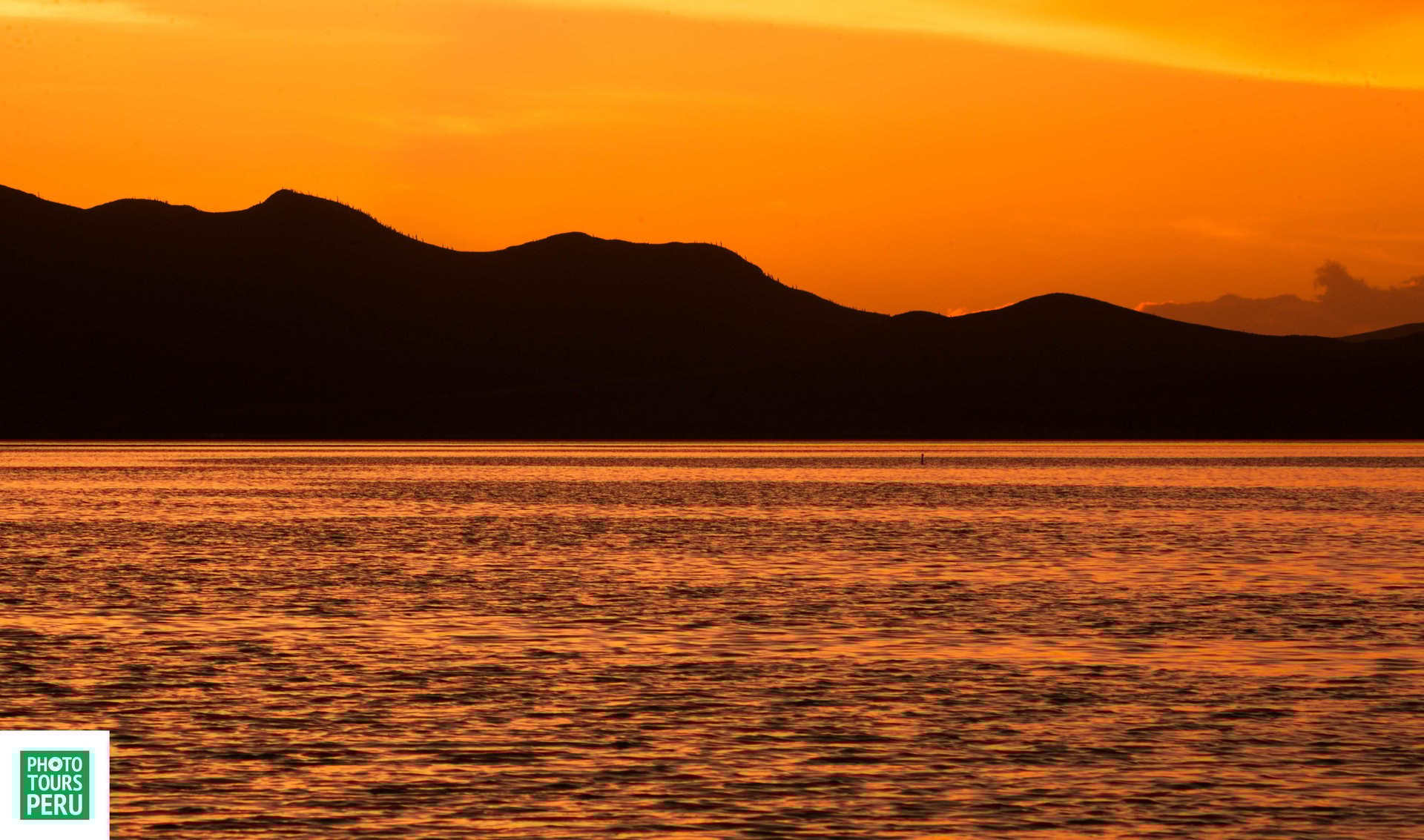
Best Time for Shots: The magical hours of twilight (when the last bit of light fades), followed by the deep blue hour and then the black of night.
This day offers a final farewell to the mountains with ample opportunity for both landscape and nightscape photography, perfect for capturing the spirit of the Huayhuash range in both daylight and the ethereal beauty of night.
WHO IS THIS TREK FOR?
Is the Huayhuash Photography Trek Right for You?
This expedition is designed for photographers and travelers who want to combine serious landscape photography with a demanding high-altitude trekking experience.
You can join whether you use:
DSLR
Mirrorless camera
Compact camera
Smartphone
Photography experience is helpful but not mandatory.
However, the trekking component should be taken seriously.
This is a very challenging high-altitude expedition, with long walking days, steep ascents and camping at elevations above 4,000 meters.
Previous trekking experience and appropriate acclimatization are strongly recommended.
DIFFICULTY & ALTITUDE
High-Altitude Trekking: What to Expect
The Huayhuash circuit is physically demanding.
The itinerary includes:
Long trekking days
Steep ascents and descents
High mountain passes
Camping at altitude
Cold temperatures
Variable mountain weather
Carrying personal camera equipment
The route reaches elevations of approximately 4,700–4,750 meters, according to the current itinerary.
Because altitude affects people differently, travelers should plan appropriate acclimatization before beginning the trek.
Photography equipment also adds weight, so we recommend traveling with a practical camera setup rather than carrying every piece of equipment you own.
PHOTOGRAPHY EQUIPMENT
What Camera Gear Should You Bring?
You do not need a huge camera bag.
A practical setup can include:
Camera
A DSLR or mirrorless camera with good battery performance.
Wide-angle lens
Useful for:
Mountain panoramas
Milky Way
Large foregrounds
Glacial lakes
Telephoto or medium zoom
Useful for:
Mountain details
Compressed landscapes
Glacier textures
Distant ridges
Tripod
Essential for:
Night photography
Long exposures
Star trails
Blue-hour photography
Extra batteries
Cold temperatures can reduce battery performance.
Headlamp
Preferably with a red-light mode for night photography.
Lens cloth and protection
Mountain weather can change quickly, so protect your equipment from dust, moisture and condensation.
BEST TIME FOR PHOTOGRAPHY
When Is the Best Time to Photograph Huayhuash?
The best period depends on what you want to photograph and current mountain conditions.
The dry season generally provides more favorable trekking conditions, but weather remains variable at high altitude.
For astrophotography, conditions also depend on:
Moon phase
Cloud cover
Visibility
Seasonal Milky Way position
Local weather
Your exact shooting location
For this reason, we do not promise a clear Milky Way night or a specific celestial composition.
Instead, we build flexibility into the photography approach and make the most of favorable conditions when they occur.
SMALL GROUP PHOTOGRAPHY
Small-Group Huayhuash Photography Expedition
The current page specifies groups of 1–8 guests.
A small group provides a more manageable environment for photography and trekking.
It also allows the guide to spend more time helping participants with:
Composition
Camera settings
Night photography
Location scouting
Landscape interpretation
Photography planning
For photographers who want greater flexibility, private departures can also be requested.
WHAT IS INCLUDED
What's Included in the Huayhuash Photography Trek?
Based on your current published inclusions, the new page should say:
Professional photographer-guide
Local mountain support
Transportation according to the itinerary
Camping
Meals during the trekking program
Breakfasts
National Park permits/entrances where applicable
Local transportation
Photography walks and discussions
Small-group service
Camping equipment according to the selected service
The existing page currently lists camping, meals, transportation, permits and professional photographer-guide among its inclusions.
NOT INCLUDED
What's Not Included?
Unless your actual service includes them, clearly state:
International or domestic flights
Personal travel insurance
Personal trekking equipment
Personal camera equipment
Accommodation in Huaraz outside the itinerary
Personal expenses
Tips
Additional services not specifically listed as included
I would not publish this list until you confirm your actual 2027 inclusions.
RESPONSIBLE PHOTOGRAPHY
Responsible Photography in the Cordillera Huayhuash
Photography should help protect the places we photograph.
Our responsible photography approach focuses on minimizing environmental impact while respecting local communities and the mountain environment.
Leave No Trace
We encourage photographers to:
Carry out all waste
Avoid unnecessary single-use plastics
Stay on established trails
Avoid damaging vegetation
Leave rocks and natural elements where they are
Avoid disturbing wildlife
Respect Wildlife
If wildlife is encountered, we maintain a respectful distance and avoid actions that could alter animal behavior.
Respect Local Communities
When photographing people, we encourage photographers to ask permission and respect local customs and privacy.
The objective is to create meaningful photographs without treating people, wildlife or landscapes as photographic props.
Frequently Asked Questions
Is this a photography tour or a regular Huayhuash trek?
It is a photography-focused trekking expedition. The itinerary combines high-altitude trekking with dedicated opportunities for landscape and night photography.
Do I need to be a professional photographer?
No. The expedition can accommodate beginners, enthusiasts and experienced photographers. However, you should be physically prepared for demanding high-altitude trekking.
Can I join with a smartphone?
Yes. Smartphones can produce excellent travel and landscape photographs. The most important factor is your ability to enjoy the environment and work creatively with the available light.
Can I photograph the Milky Way?
Milky Way photography is possible when astronomical and weather conditions are favorable. Cloud cover, moon phase and seasonal conditions can affect visibility.
Is the Huayhuash trek difficult?
Yes. This is a very challenging high-altitude trek with long hiking days, steep sections and elevations approaching 4,700–4,750 meters.
What camera should I bring?
A DSLR or mirrorless camera is ideal, but compact cameras and smartphones can also be used.
Do I need a tripod?
A tripod is strongly recommended if you want to photograph stars, the Milky Way, star trails or long exposures.
Is this suitable for non-photographers?
The current program indicates that non-photographers can also join.
What happens if the weather is cloudy?
Photography plans remain flexible. We adapt to the available conditions and concentrate on landscapes, clouds, atmosphere, textures and other opportunities rather than guaranteeing specific photographs.
Can I book a private Huayhuash photography trek?
Yes, private departures can be requested depending on availability and operational conditions.
WHY BOOK WITH PHOTO TOURS PERU?
A Photography Expedition Designed Around the Landscape
At Photo Tours Peru, our focus is not simply taking photographers to a destination.
We want to create opportunities for photographers to slow down, observe the landscape and work with natural light.
Our Huayhuash expedition combines:
Remote Andean landscapes
Professional photography guidance
Landscape photography
Astrophotography
Small-group trekking
Responsible travel
Time for creative exploration
The mountains cannot be controlled, and neither can the weather.
What we can control is how we prepare, where we go, when we stop, and how we approach photography.
Ready to Photograph the Cordillera Huayhuash?
Join a 12-day photography expedition through one of the most dramatic mountain landscapes in Peru.
Photograph turquoise glacial lakes, towering Andean peaks, high mountain passes, changing alpine light and, when conditions allow, the Milky Way above the Huayhuash range.
Request your departure date and availability today.
What Will You Photograph?
Yerupajá
Siula Grande
Jirishanca
Laguna Carhuacocha
Laguna Jahuacocha
turquoise glacial lakes
glaciers
high-altitude valleys
mountain reflections
sunrise
sunset
golden hour
blue hour
Milky Way
star trails
moonlit mountains
long-exposure landscapes
mountain silhouettes
campsite nightscapes
Andean wildlife and landscapes
What Will You Learn?
This expedition is designed not only to take you to spectacular locations, but also to help you make better photographs in challenging mountain and night-sky conditions.
During the trek, you will have opportunities to develop practical skills in:
Landscape Composition
Learn how to build stronger compositions using foreground elements, mountain layers, leading lines, reflections and different focal lengths.
Natural Light
Understand how to work with changing mountain light during sunrise, golden hour, sunset and blue hour.
Long-Exposure Photography
Practice using a tripod, filters and controlled shutter speeds to photograph waterfalls, streams, clouds and moving water.
Mountain Photography
Learn how to photograph large-scale mountain landscapes while also creating intimate compositions using telephoto lenses and environmental details.
Astrophotography
Learn the fundamentals of photographing the Milky Way, stars and night landscapes using the mountains and glacial lakes as foreground elements.
Nightscape Composition
Go beyond photographing stars alone by learning how to combine the night sky with mountains, lakes, tents and other foreground elements.
Photography in Difficult Conditions
Learn how to protect and operate your camera equipment in cold temperatures, wind, changing weather and high-altitude environments.
Information
Difficulty
Very difficult: Long hikes and camping at high altitude
Our Peru photo trek will mainly focus on hiking and capturing the most iconic landscapes in the Huayhuash trek, the world’s highest tropical mountain ranges. This time of year is perfect for hiking, as it coincides with the dry season, and ideal for astro, as it’s the peak of Milky Way season in the Southern Hemisphere, with 10+ hours of Milky Way visibility at night.
Group Size1 – 8 Guests
Experience | Difficulty
Beginner, amateur, enthusiast and semi-pro photographers
DSLR, mirrorless, compact or iPhone cameras
Moderate schedule
Travel by car or minibus
Moderate elevation changes and lots of walking and hiking (none of our adventures have difficult hikes)
(non-photographers also welcome)
Includes
12 Days
Travel, landscape, nature, wildlife, and people photography
Professional photographer | guide
Photo walks & discussions
Small group size (1-8 guests)
Camping
Breakfasts
All Meals
National Park Permits
Local transportation
Accommodations
Camping
Price per person:2026
1 pax: 3.950,00 USD
2 pax: 2800,00 USD
3 pax: 2700,00 USD
4 pax: 2600,00 USD
5 pax: 2500,00 USD
6 pax: 2400,00 USD
7 pax: 2300,00 USD
8 pax: 2200,00 USD
9 pax: 2100,00 USD
10 pax:2000.00 USD
2027 DEPARTURES
Duration: 12 days / 11 nights
Location: Cordillera Huayhuash, Peru
Starting point: Huaraz
Group size: 1–8 guests
Photography: Landscape + Astrophotography
Difficulty: Very challenging
Accommodation: Mountain camping
Contact
Email: phototourperu@gmail.com
Phone: +51 940188346
© 2025. All rights reserved.
Designed by Zihna