
Ultimate 2026 South America Shooting Stars & Meteor Showers Guide
2026 offers multiple major meteor showers that are ideal for night photography, astrophotography tours, long exposure skyscapes, and time-lapse sequences
By photo tours peru
1/28/20264 min read
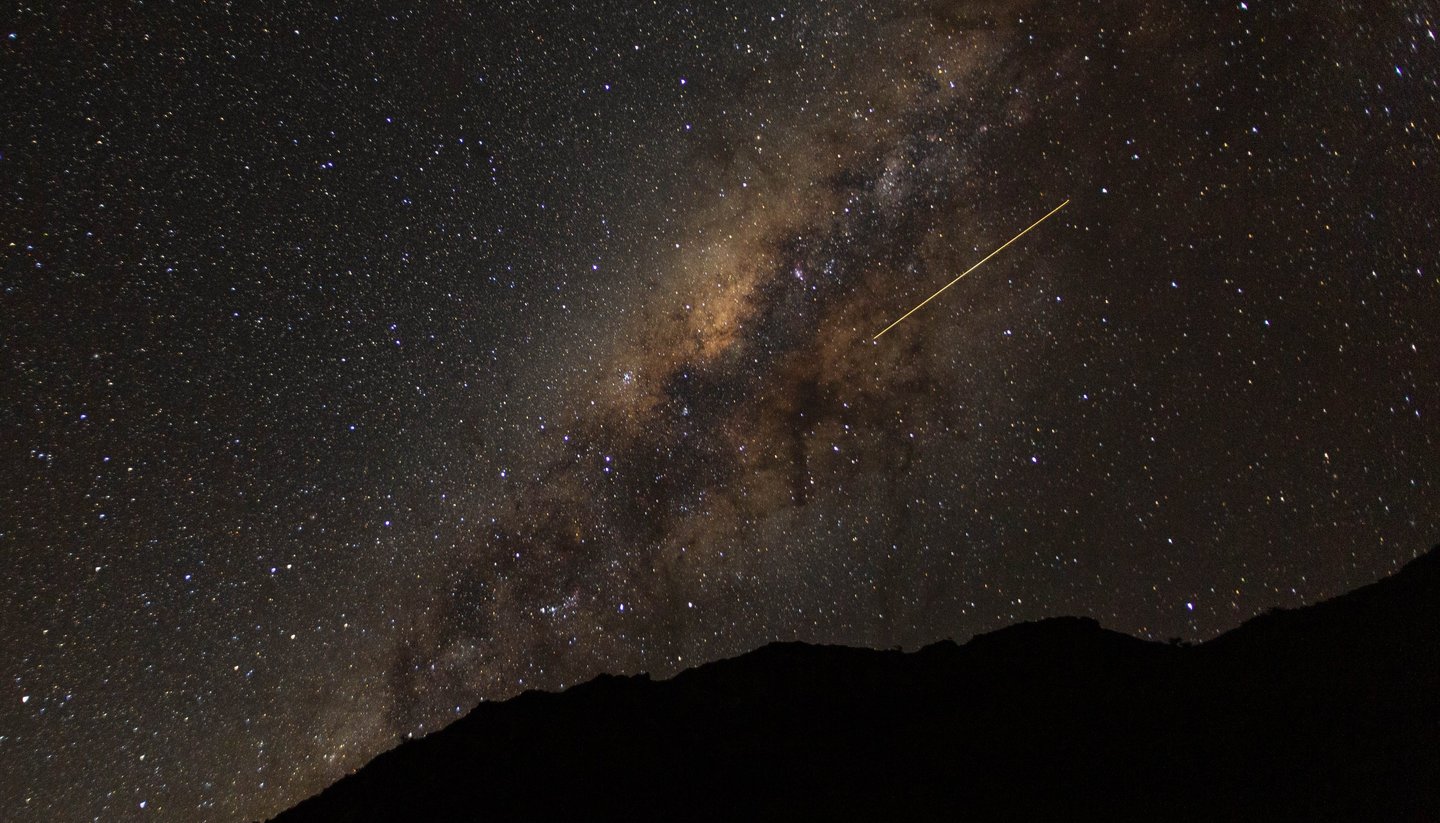
Ultimate 2026 South America Shooting Stars & Meteor Showers Guide
astrophotography & nightscape photographers
Introduction Why 2026 is a Stellar Year for Shooting Star Photography
2026 is shaping up to be one of the best years for astrophotography in South America, offering exceptional opportunities to capture shooting stars, meteor showers, and Milky Way nightscapes under some of the darkest skies on Earth. From the high-altitude Andes of Peru to the surreal landscapes of Bolivia’s Uyuni Salt Flats and Chile’s Atacama Desert, photographers can experience perfect dark-sky conditions for night photography tours and astrophotography workshops.
This guide is designed for photographers planning specialized photo tours, nightscape expeditions, and Milky Way photography trips, highlighting the best meteor showers of 2026, optimal shooting windows, and strategic locations to maximize your results.
Throughout the year, major meteor events such as the Lyrids (April), Eta Aquariids (May), Perseids (August), Orionids (October), Leonids (November), and Geminids (December) provide consistent opportunities to capture long-exposure meteor photography, star trails, and time-lapse sequences.
Notably, Perseids and Geminids stand out as the most prolific showers, with peak rates reaching up to 100+ meteors per hour under ideal dark-sky conditions, making them prime targets for astrophotography tours and photography workshops in Peru and South America.
For photographers, timing is everything. The best results come from aligning meteor shower peaks with new moon phases, high-altitude locations, and minimal light pollution—conditions that are naturally found in Peru’s Andes. Locations such as Ausangate, Salkantay, Huayhuash, and the Sacred Valley provide crystal-clear skies, dramatic foregrounds, and ideal compositions for shooting stars over mountain landscapes.
Whether you are a professional photographer or an advanced enthusiast, 2026 offers a rare combination of high meteor activity, favorable moon conditions, and world-class photography destinations. This makes it the perfect year to join a South America astrophotography tour, Milky Way photography workshop, or night sky photography expedition in Peru.
If your goal is to capture the Milky Way aligned with meteors, create cinematic night timelapses, or photograph shooting stars over iconic Andean landscapes, this guide will help you plan the ultimate photography adventure in Peru and beyond..
This guide covers the top meteor showers of 2026, best months to shoot, photography tips, and how to plan tours in South America’s best dark sky locations.
Top Meteor Showers in 2026 (Best for Shooters)
Here are the major meteor showers in 2026 — their dates, rates, and peak viewing windows:
Lyrids Peak Night: April 22, 2026
Active every year mid-April; best for nightscape photography with moderate rates (~18 meteors/hour).
Peak viewing is pre-dawn hours, a great opportunity for combining Milky Way and shooting star photography.
Ideal for tours that include Atacama Desert night photography & Uyuni nightscapes.
Eta Aquariids Peak: May 5-6, 2026
Strong meteor shower created from debris of Halley’s Comet.
Best visible before dawn; shooters can capture bright fast meteors with a wide field.
Great for Andean high-altitude dark sky tours like Ausangate & Huayhuash.
Perseids Peak: August 12-13, 2026
One of the best meteor showers of the year with potential 50–100 meteors/hour and New Moon conditions in 2026 — perfect for astrophotography.
Excellent for wide-angle star trails and shooting star sequences in Atacama and Uyuni skies.
Orionids Peak: October 21-22, 2026
Medium meteor rate (~20 meteors/hour), ideal for combining nightscape mountain or salt flat foregrounds with meteors.
Best just after midnight when the radiant is highest.
Leonids Peak: November 17-18, 2026
A classic annual meteor shower best captured with long exposures and horizon silhouettes.
Good choice if including autumn tours in southern Andes or Patagonia.
Geminids Peak: December 13-14, 2026
One of the most prolific meteor showers of the year (~75 meteors/hour) under favorable moon conditions; great for night sky panoramas and timelapse loops.
Best Shooting Star Photography Windows for Tours
Meteor ShowerPeak DateBest TimePhotography NotesLyridsApril 22Pre-dawnGood rates & dark skiesEta AquariidsMay 5-6Pre-dawnFast bright meteorsPerseidsAug 12-13OvernightHigh prolific activityOrionidsOct 21-22After midnightMedium rateLeonidsNov 17-18Pre-dawnClassic showerGeminidsDec 13-14All nightVery high rates
Use this meteor shower calendar for 2026 to plan photo tours and workshops around peak nights and new moon phases for maximum shooting star visibility.
Best Locations in South America for Meteor Photography
To capture shooting stars and night sky astrophotography in 2026, these South American locations offer some of the darkest skies on Earth — ideal for nightscape tours:
Atacama Desert, Chile
Among the world’s best night sky photography destinations with exceptionally low humidity and virtually no light pollution — perfect for shooting stars, Milky Way panoramas, time-lapse sky trails, and astrophotography workshops.
Uyuni Salt Flats, Bolivia
The reflective salt flats combined with clear high altitude skies make for dramatic night photography — meteors reflect on the ground for unique compositions.
Andean High Trends Salkantay, Ausangate, Lares & Huayhuash (Peru)
These trekking zones offer high-altitude dark nights, enabling astrophotographers to combine landscape silhouettes with spectacular shooting stars and mountain nightscapes.
Photographer Tips for Shooting Shooting Stars
Here are some pro tips to capture amazing shooting star photos on your tours:
Equipment & Settings
Wide-angle lens (14–24mm) for immersive sky shots.
Fast aperture (f/2.8 or wider) to capture faint meteors.
High ISO (1600–6400) with low noise performance.
Long exposures (15–30 seconds); stack multiple frames for star trails.
Use intervalometer for automatic burst shooting.
Composition & Timing
Include landscape foregrounds like mountains, salt flats, trekking ridges, or silhouettes to add depth.
Start shooting peak viewing hours after midnight or pre-dawn for showers like the Lyrids and Eta Aquariids.
Dark Skies & Location Planning
Choose sites far from light pollution, high altitude, and clear weather (dry desert or mountain zones).
Check moon phase calendars to avoid bright moonlight interfering with meteor visibility.
Conclusion — Plan Your 2026 Meteor Photography Tours
2026 presents multiple excellent opportunities for photographers and nightscape artists to capture shooting stars, meteor showers, star trails and stunning dark sky panoramas across South America. Whether you’re leading tours in Atacama, Uyuni, Salkantay, Ausangate, Lares, or Huayhuash, aligning your expeditions with peak meteor shower dates and best dark sky conditions will produce unforgettable astrophotography experiences.
Contact
Email: phototourperu@gmail.com
Phone: +51 940188346
© 2025. All rights reserved.
Designed by Zihna