
Eclipse Calendar 2026 – South America & Global Events (Perfect for Photo Tours)
In 2026, there are four major eclipses that astrophotographers will want on their calendars — including solar and lunar eclipse events visible (fully or partially) from South America.
By photo tours peru
1/28/20266 min read
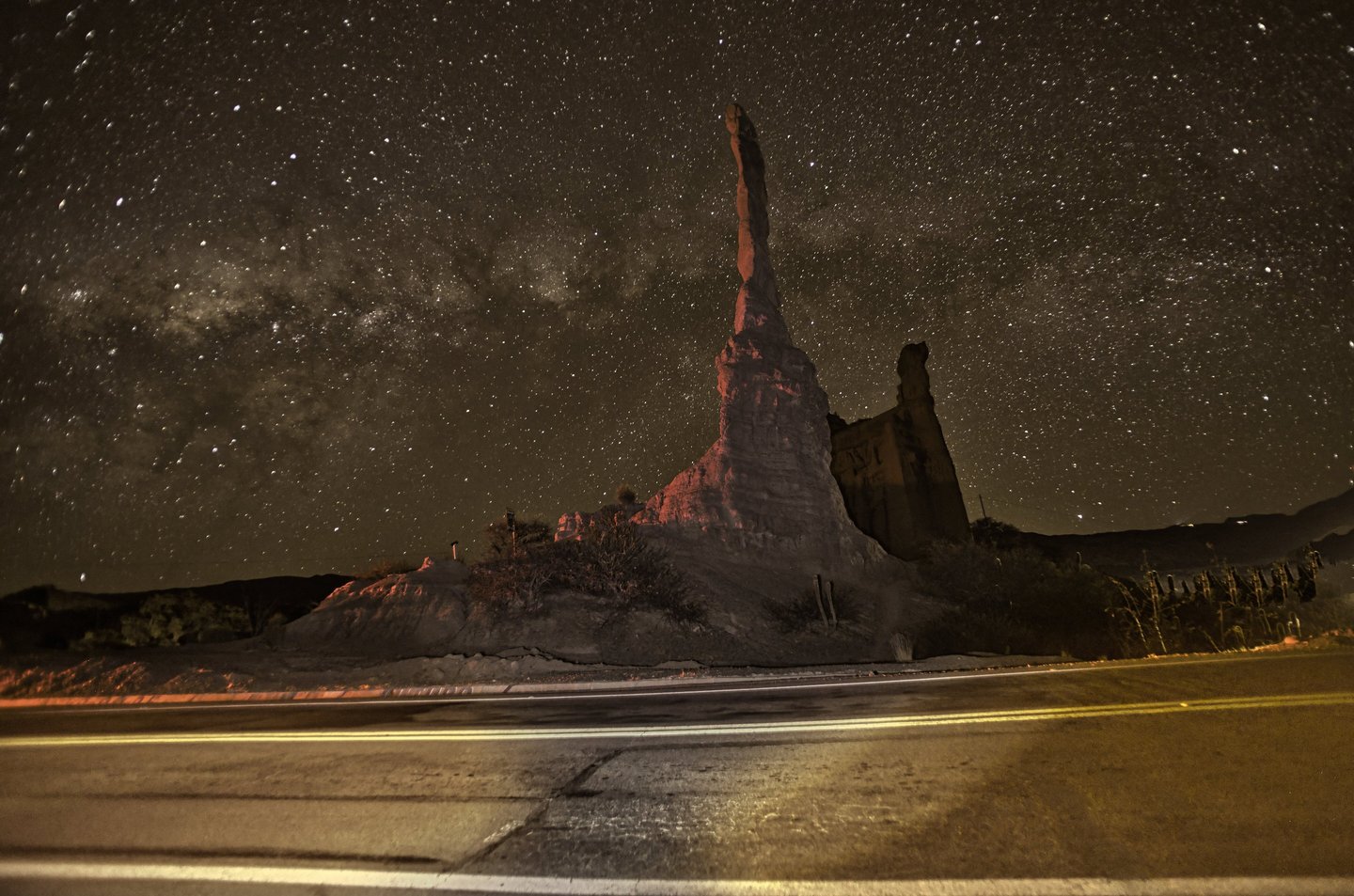
Eclipse Calendar 2027 South America & Global Events (Perfect for Photo Tours)
2027 Eclipse Calendar for Photographers: South America and Beyond
The 2027 eclipse calendar offers several opportunities for photographers interested in solar eclipse photography, lunar events, night-sky landscapes and astronomical travel. From the annular solar eclipse on February 6 to the total solar eclipse on August 2, the year includes celestial events worth planning for well in advance.
For landscape photographers and astrophotographers, an eclipse can become more than an astronomical observation. It can be a carefully planned composition that combines the Sun or Moon with mountains, coastlines, historic architecture or distinctive natural scenery.
This guide covers the main solar and lunar eclipses of 2027, their broad regions of visibility, practical photography advice and the planning considerations that matter when organizing a photography trip.
Important: Eclipse visibility, local timing and the appearance of an event vary by location. Always check official eclipse maps and local circumstances before booking travel or choosing a shooting location.
2027 Eclipse Calendar: Key Dates
The following dates are given in Universal Time (UT). Depending on your location and time zone, the local calendar date may differ.
DateEventPhotography relevanceFebruary 6, 2027Annular solar eclipseSolar and landscape photography from locations where the annular phase is visibleFebruary 20, 2027Penumbral lunar eclipseSubtle changes in lunar brightness; best assessed with local visibility dataJuly 18, 2027Penumbral lunar eclipseA lunar observation opportunity, depending on local conditionsAugust 2, 2027Total solar eclipseA major event for photographers located within the path of totalityAugust 17, 2027Penumbral lunar eclipseAnother lunar event for night-sky observers
Dates and visibility should be checked against NASA's official eclipse tables before publication or travel planning.
February 6, 2027: Annular Solar Eclipse
An annular solar eclipse occurs when the Moon passes in front of the Sun but appears too small in the sky to cover it completely. At the right locations, a bright ring of sunlight remains visible around the Moon.
The February 6, 2027 annular solar eclipse is associated with parts of South America and the surrounding ocean regions. However, the exact experience depends on your position relative to the eclipse path. A partial eclipse and an annular eclipse are not the same viewing experience.
How to plan for annular eclipse photography
Confirm whether the annular phase is visible at your chosen location.
Study the local eclipse times, solar altitude and direction.
Scout foregrounds that complement the solar event without obstructing safe viewing.
Prepare a tripod, remote release and suitable solar filters designed for direct solar observation and photography.
Check weather forecasts close to the date and prepare an alternative location.
For photographers, the goal is to combine accurate astronomical planning with a strong composition. Mountains, coastlines and distinctive silhouettes may provide foreground interest when the Sun's position and local geography allow.
February 20, July 18 and August 17, 2027: Penumbral Lunar Eclipses
A penumbral lunar eclipse occurs when the Moon passes through Earth's outer shadow, or penumbra. The change in brightness can be subtle, so it is important to understand what to expect before planning a dedicated lunar shoot.
For a successful session, check whether the Moon will be above the horizon during the event, its altitude, the local moonrise and moonset times, and the expected weather.
A telephoto lens can help record lunar details, while a wider lens may be more suitable for a landscape composition. Take test exposures before the event and use manual settings to maintain control over focus and exposure.
August 2, 2027: Total Solar Eclipse
The total solar eclipse on August 2, 2027 is expected to be visible along a path crossing parts of southern Spain, North Africa and other regions farther east. A partial eclipse will be visible across a broader area.
For photographers hoping to witness totality, location is critical: being outside the path of totality means the Sun will not be completely covered. Before committing to a destination, consult the official path map and local eclipse predictions.
Total solar eclipse photography checklist
Research the exact location of the path of totality.
Check the duration of totality and local contact times.
Scout safe foregrounds and unobstructed sightlines.
Rehearse your camera settings and equipment setup before eclipse day.
Bring approved solar viewing glasses and appropriate solar filters.
Follow expert safety guidance for every phase of the eclipse.
Never look directly at the Sun through a camera, optical viewfinder, binoculars or telescope without the appropriate solar protection. Remove a solar filter only during the brief period of totality and only when you are certain the Sun is completely covered; replace it before the Sun reappears. Follow authoritative safety guidance for your equipment.
Solar Eclipse Photography: Essential Camera Preparation
Eclipse photography requires advance preparation. The correct exposure depends on the phase of the eclipse, focal length, atmospheric conditions, solar altitude and the equipment you use. There is no single exposure setting that works for every situation.
Before travelling:
Test your camera, lenses, tripod and remote release.
Prepare suitable solar filters and inspect them before use.
Learn how to focus manually and check focus on test images.
Bring spare batteries and memory cards.
Create a shot list covering wide compositions, the changing solar phases and landscape details.
Rehearse the sequence so you can concentrate on timing and safety during the event.
Use a solar filter designed for the equipment and purpose. Ordinary sunglasses and improvised filters are not safe substitutes.
Lunar Eclipse Photography: Lenses, Exposure and Composition
Lunar eclipses are often easier to approach as a sequence of changing light rather than a single photograph.
A telephoto lens can record the Moon's appearance, while a wide-angle lens can place it within a larger landscape. If you want the Moon to appear large in relation to a mountain or building, plan the shooting position and focal length carefully; the apparent size relationship depends on perspective and distance.
Use manual exposure and check the histogram. Exposure may need to change as the Moon darkens. A tripod and remote release help reduce camera movement, while a tracking mount can be useful for specialized long-exposure work.
Planning a Photography Trip Around an Eclipse
A strong eclipse photography trip needs more than the correct date. It should include location research, a scouting period, backup shooting sites, weather monitoring and enough time to practise before the event.
Consider these questions before booking:
Is the desired eclipse phase visible from the proposed location?
How long will the journey take, and can you reach the location before the event?
Are permits or access restrictions relevant?
Is there a safe, unobstructed view of the Sun or Moon?
What are the local weather patterns for the season?
Is there a backup plan if clouds or transport delays affect the main location?
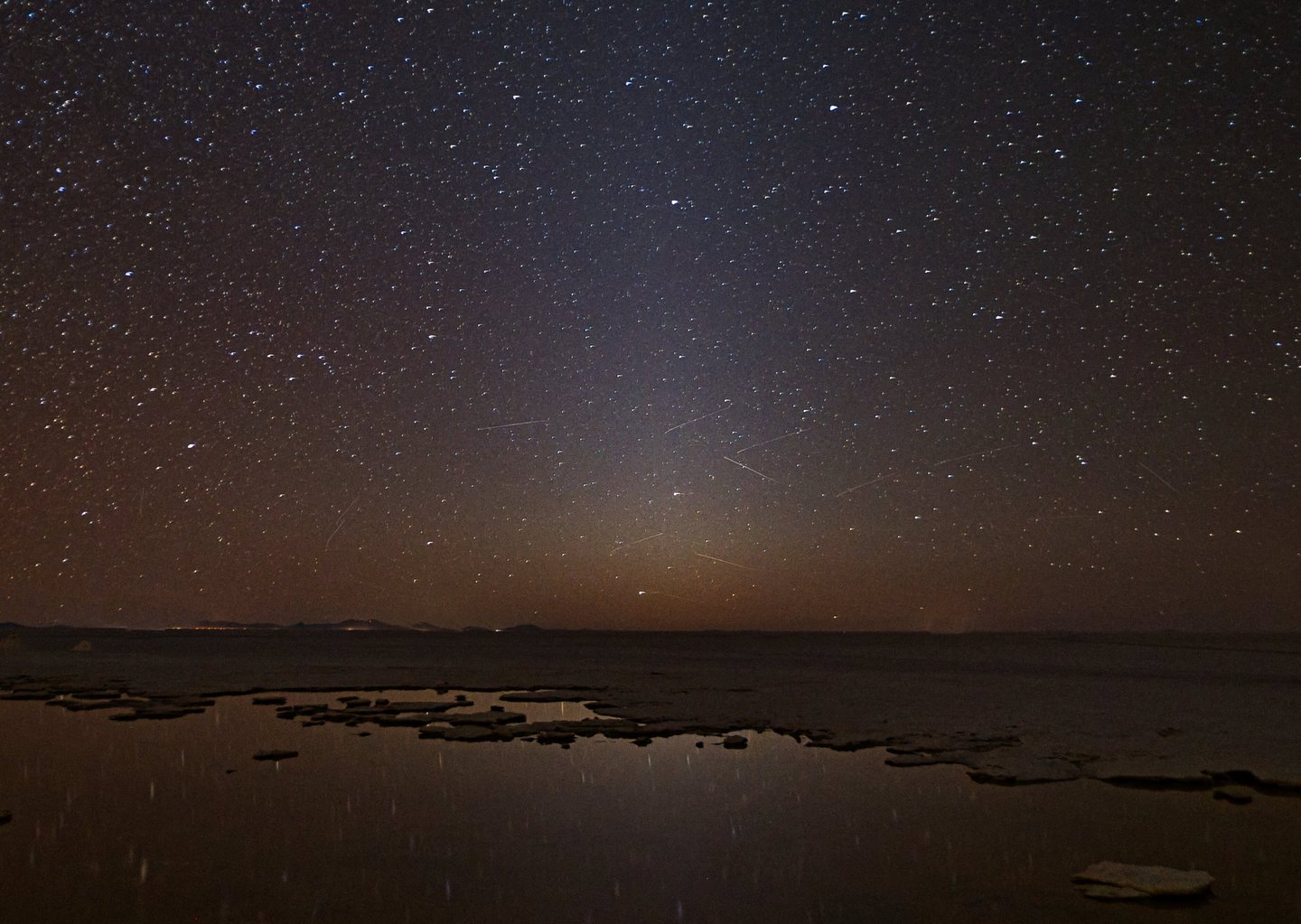
For photographers travelling to Peru, Andean landscapes and dark-sky locations may be excellent subjects for separate Milky Way and nightscape sessions. However, do not assume that the 2027 solar eclipses will be visible from Peru as total or annular events. Verify the local circumstances for every destination before building an itinerary around an eclipse.
Plan Your 2027 Astrophotography Expedition
Photo Tours Peru organizes photography-focused journeys across Peru and selected South American destinations. Depending on the destination and itinerary, experiences may include Andean landscapes, night-sky photography, the Milky Way, cultural photography and wildlife photography.
If you are planning a dedicated eclipse trip, begin with the official eclipse path and build the itinerary around the actual visibility zone. If your main goal is nightscape photography, consider a separate expedition planned around dark skies, landscape foregrounds, moon phases and seasonal conditions.
Contact Photo Tours Peru to discuss your photographic interests, preferred dates and travel requirements.
Frequently Asked Questions
When is the annular solar eclipse in 2027?
The annular solar eclipse occurs on February 6, 2027. The annular phase is visible only from locations within the relevant path; consult official maps for exact local circumstances.
When is the total solar eclipse in 2027?
The total solar eclipse occurs on August 2, 2027. The path of totality crosses parts of southern Spain, North Africa and other regions farther east. The exact experience depends on the observer's location.
Can I photograph the 2027 solar eclipses from Peru?
Do not assume that the annular or total phase will be visible from Peru. Check the official eclipse maps and local predictions for the exact location and date before planning travel.
What equipment do I need for solar eclipse photography?
Equipment depends on your photographic goals, but may include a camera, tripod, remote release and a suitable solar filter. Safe solar viewing equipment is essential. Never look directly at the Sun through optical equipment without appropriate solar protection.
Can an eclipse be combined with landscape photography?
Yes, when the event's position in the sky, local terrain, weather and visibility allow. Plan the foreground and shooting position in advance, and prioritize safety and accurate eclipse timing.
Contact
Email: phototourperu@gmail.com
Phone: +51 940188346
© 2025. All rights reserved.
Designed by Zihna