
How to Photograph the Milky Way: Complete Planning Guide for 2026
Milky Way galaxy requires far more than a camera and tripod. It demands precise planning, technical knowledge, ideal locations, and perfect timing.
By photo tours peru
1/31/20264 min read
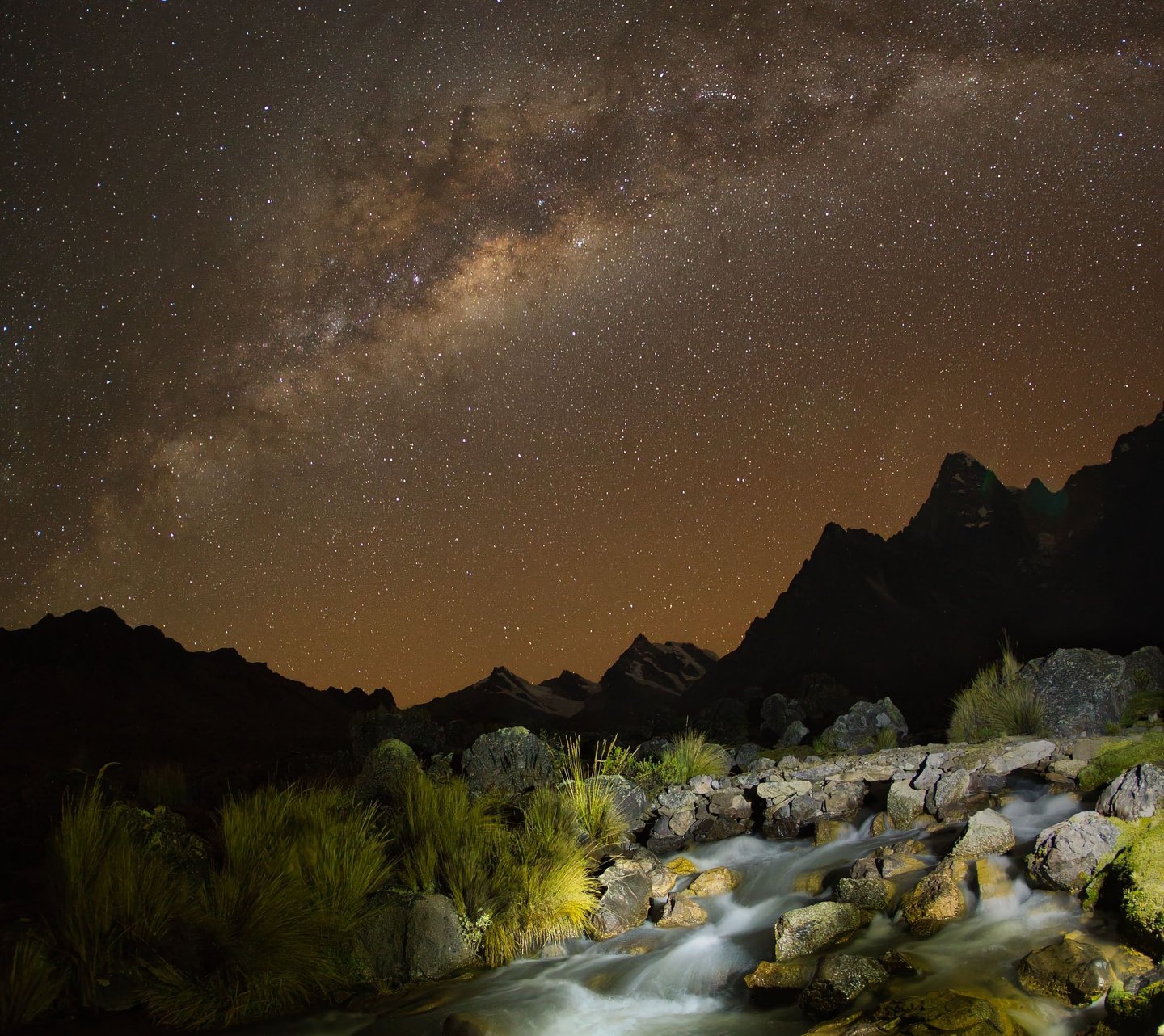
How to Photograph the Milky Way: Complete Planning Guide for 2026
A Professional Astrophotography Guide by Photo Tours Peru
Astrophotography is one of the most rewarding—and challenging—genres of photography. Capturing the Milky Way galaxy requires far more than a camera and tripod. It demands precise planning, technical knowledge, ideal locations, and perfect timing.
In this professional guide, Photo Tours Peru shares the most accurate and detailed information for photographing the Milky Way in 2026, designed for landscape photographers, nightscape photographers, and astrophotography tour participants.
Planning to photograph the Milky Way in 2026 requires far more than just a camera—it demands precise timing, expert knowledge, and access to the world’s darkest skies. This complete guide is designed for photographers, astrophotography enthusiasts, and travelers searching for Milky Way photography tours in South America.
Whether you're looking to join a Peru photography tour, capture the Milky Way over the Andes, or experience a high-altitude astrophotography expedition, this guide walks you through everything you need to know—from best dates in 2026 to ideal locations, camera settings, and professional planning techniques.
The Southern Hemisphere—especially Peru, Chile, and Bolivia—is one of the best regions on Earth for Milky Way photography, offering longer visibility of the galactic core, darker skies, and dramatic landscapes.
Inside this guide, you’ll learn how to plan your shoot around new moon phases, understand Milky Way positioning and alignment, and choose low light pollution destinations (Bortle 1–2 skies) that deliver world-class results.
For photographers seeking more than just a trip, this is about creating a true astrophotography experience—combining landscape photography, night photography, and cultural travel into one unforgettable journey.
If your goal is to capture the Milky Way over iconic Andean landscapes, salt flats, or remote mountain locations, 2026 is an exceptional year to plan your adventure.
This article is based on real field experience from Atacama Desert, Salar de Uyuni, the Peruvian Andes, and remote high-altitude locations in South America—some of the best Milky Way photography destinations on Earth.
What Is the Milky Way in Photography?
The Milky Way is the galactic core of our galaxy, visible as a dense band of stars, dust, and nebulae. For photographers, the most dramatic and photogenic part is the Milky Way Core (Galactic Center), which contains bright star clouds and dark dust lanes.
To photograph it successfully, you must plan for:
Darkness
Clear skies
Correct season and time
Low light pollution
Precise camera settings
Milky Way Photography Season (2026)
The Milky Way core follows the same seasonal pattern every year, making 2026 predictable for planning.
Best Milky Way Visibility by Hemisphere
Southern Hemisphere (Peru, Chile, Bolivia):
March to November – BEST visibility worldwidePeak months:April, May, June, July, August,September,October,November
This is why destinations like:
Atacama Desert astrophotography tours
Uyuni salt flats Milky Way photography
Peruvian Andes night photography tours
are considered world-class for Milky Way photography.
Milky Way Planning: Step-by-Step (Professional Workflow)
1. Moon Phase Planning (Critical)
The moon is the biggest enemy of Milky Way photography.
Best conditions:
New Moon
± 3 days around New Moon
Moon below the horizon during shooting time
Professional photographers always plan:
Moonrise & moonset times
Percentage of illumination
Direction of moonlight
This is why guided astrophotography tours in Peru, Chile, and Bolivia are timed around new moon windows.
2. Milky Way Position & Orientation
The Milky Way core changes position throughout the night and year:
Early season (March–April): Core rises vertically
Mid-season (May–July): Perfect arches and diagonals
Late season (August–October): Core sets shortly after sunset
Understanding orientation allows photographers to:
Frame arches over landscapes
Align the core with mountains, salt flats, or volcanoes
Create panoramas and star arches
Professional Milky Way planning apps are essential for this step.
3. Location Selection (Light Pollution Matters)
For professional results, you must shoot in:
Bortle Class 1–2 skies
High altitude locations
Dry climates
Top Milky Way photography locations used by Photo Tours Peru include:
Atacama Desert (Chile)
Salar de Uyuni (Bolivia)
High Andes of Peru
Remote altiplano landscapes
These regions offer:
Over 300 clear nights per year
Extremely low humidity
Minimal atmospheric distortion
Camera Gear for Milky Way Photography
Camera
Full-frame camera preferred
Excellent high-ISO performance
Manual control required
Lenses
Wide-angle: 14mm–24mm
Fast aperture: f/1.4 – f/2.8
Minimal coma distortion
Essential Accessories
Sturdy tripod
Headlamp with red light
Intervalometer or remote shutter
Extra batteries (cold drains power fast)
Recommended Milky Way Camera Settings (Starting Point)
These settings vary by location, altitude, and lens—but this is a professional baseline:
Aperture: f/1.8 – f/2.8
ISO: 3200 – 6400
Shutter Speed: 10–20 seconds
White Balance: 3800K – 4200K
Focus: Manual (focused on stars)
Advanced photographers often use:
Panorama stitching
Image stacking
Foreground blending
Time blending
All techniques taught during Photo Tours Peru astrophotography tours.
Composition: Turning Stars into Art
A strong Milky Way image is not about stars alone.
Professional composition includes:
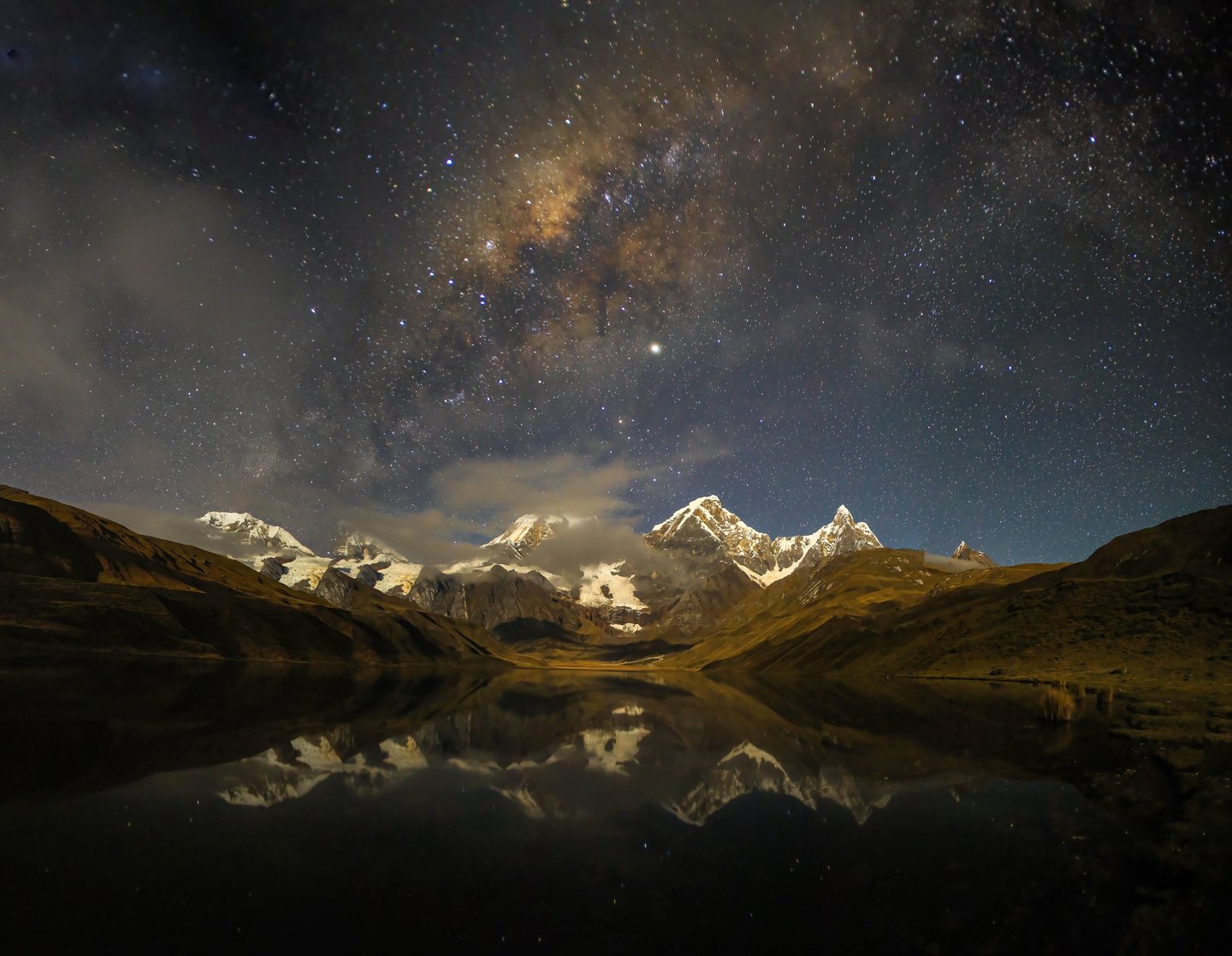
Foreground interest (mountains, salt flats, lagoons)
Leading lines
Reflections (Uyuni wet season)
Scale and depth
Storytelling landscapes
This is why location scouting and local knowledge are essential—and a major advantage of guided photography tours.
Weather & Atmospheric Conditions
Perfect Milky Way photography requires:
Clear skies (0–10% cloud cover)
Low wind
Dry air
Stable atmosphere
Desert and high-altitude environments like:
Atacama Desert
Bolivian Altiplano
Peruvian Andes
offer the cleanest skies in the world.
Why Photograph the Milky Way with Photo Tours Peru?
At Photo Tours Peru, Milky Way photography is not an add-on—it’s the core experience.
Our tours provide:
Carefully planned new moon departures
Access to remote locations
High-altitude, low-light-pollution sites
Professional astrophotography guidance
Landscape + night photography combined
Popular tours include:
Atacama & Uyuni Astrophotography Tour
Peru Night Photography Tours
High Andes Milky Way Expeditions
Final Thoughts: Milky Way Photography in 2026
Milky Way photography is a combination of:
Science + Planning + Creativity + Location
With the right preparation—and the right destination—2026 is an exceptional year to photograph the galaxy, especially in South America.
Whether you are an experienced astrophotographer or advancing your night photography skills, professional planning and expert guidance make the difference between a good image and a world-class photograph.
Plan Your Milky Way Photography Tour
Explore our professional astrophotography expeditions at:
👉 Photo Tours Peru
Contact
Email: phototourperu@gmail.com
Phone: +51 940188346
© 2025. All rights reserved.
Designed by Zihna