Best Time for Astrophotography & Zodiacal Light
Ausangate & Rainbow Mountain (Vinicunca) – Peru
Photo tours peru
1/10/20264 min read
Best Time for Astrophotography & Zodiacal Light
Why Ausangate & Rainbow Mountain Are Astrophotography Gems
Peru has rapidly become one of the world’s premier destinations for astrophotography, offering a rare combination of high-altitude dark skies, dramatic Andean landscapes, and near-equatorial positioning—ideal conditions for capturing the Milky Way, zodiacal light, and nightscape photography at an elite level.
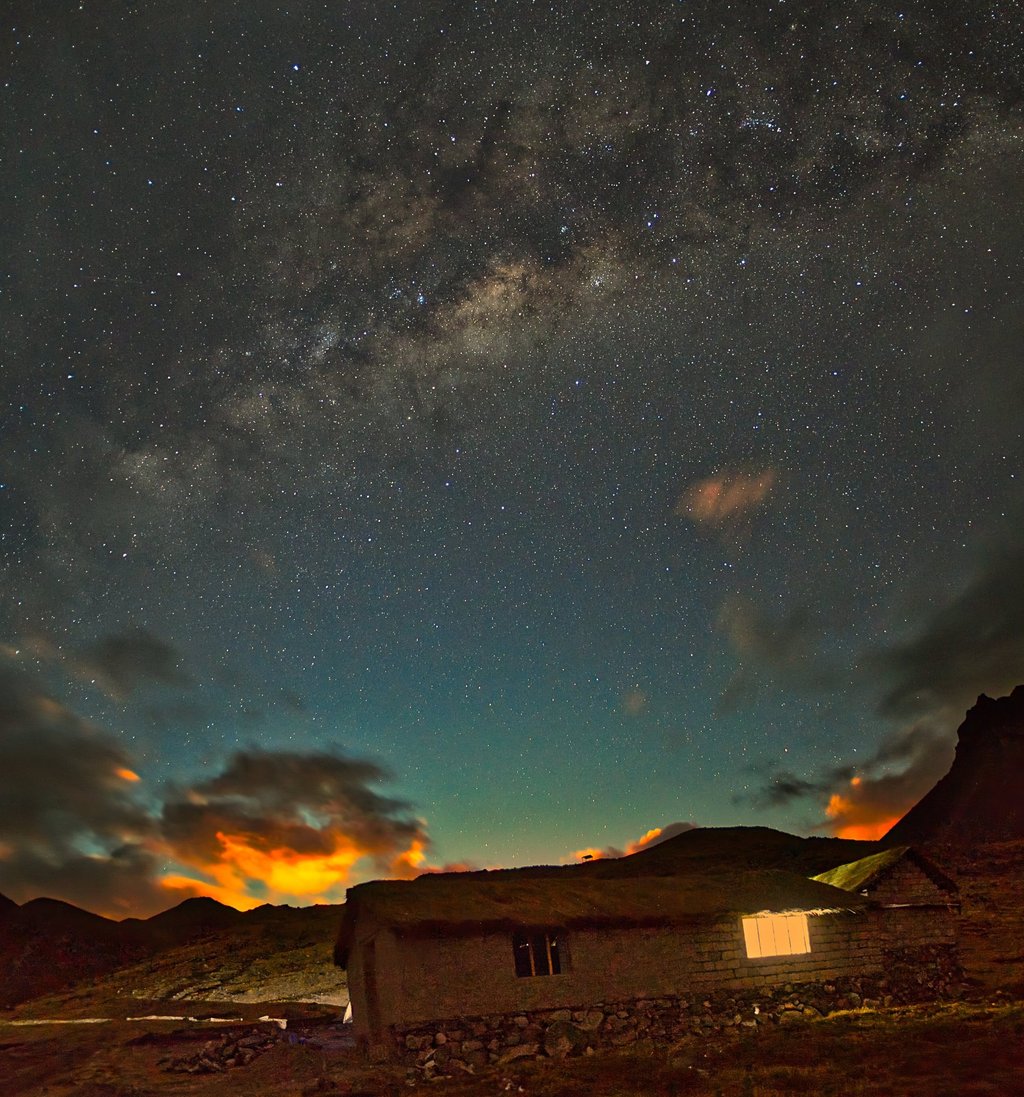
In remote regions like Ausangate and Rainbow Mountain, photographers gain access to ultra-dark skies (Bortle 1–2), crystal-clear atmospheric conditions, and elevated viewpoints above 4,500 meters, where light pollution is virtually nonexistent and star visibility reaches extraordinary clarity.
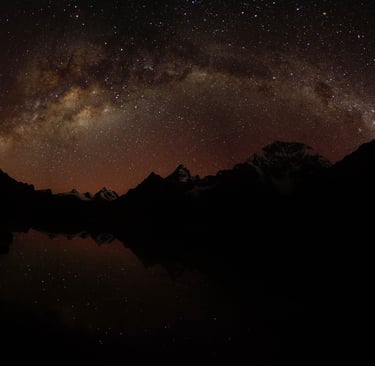
This unique environment allows landscape and astrophotographers to capture Milky Way panoramas, zodiacal light cones, and high-altitude nightscapes in a single expedition—something very few destinations on Earth can offer.
The best time for astrophotography in Peru runs from April to September, when dry-season weather delivers clear skies, low humidity, and stable atmospheric conditions, essential for sharp, noise-free night images. During this period, the Milky Way core is highly visible (March to October, peak May–July), allowing photographers to create powerful compositions with perfect alignment over mountains, glaciers, and alpine lakes.
Equally important, Peru’s latitude makes it one of the best places in the world to photograph the zodiacal light, a rare astronomical phenomenon caused by sunlight reflecting off interplanetary dust. This appears as a soft triangular glow rising from the horizon, best captured during:
February to April (evening zodiacal light)
August to October (morning zodiacal light)
For optimal results, photographers should plan around new moon phases, minimal light pollution, and precise Milky Way alignment, combining technical planning with expert local guidance.
Ultimately, this is more than just night photography—it’s a high-altitude astrophotography experience in the Andes, where landscape photography meets the cosmos. From golden light at sunrise over Rainbow Mountain to Milky Way arches above glacial valleys, Peru offers a complete visual narrative for serious photographers seeking iconic, portfolio-defining images.
Ausangate & Rainbow Mountain (Vinicunca) – Peru
Located far from cities and light pollution, the Ausangate massif sits above 4,500 m / 14,700 ft, offering:
Ultra-dark skies (Bortle 1–2 on most nights)
Dry high-altitude air = exceptional transparency
Dramatic foregrounds: glaciers, alpine lakes, multicolored mountains
Minimal atmospheric turbulence for sharp stars
Unlike many destinations, Ausangate combines world-class night skies with iconic daytime landscapes, allowing photographers to capture Milky Way panoramas, zodiacal light cones, and sunrise/sunset landscapes on the same trip.
Best Season for Astrophotography at Ausangate
The Zodiacal Light—a faint cone of sunlight reflected by interplanetary dust—is best photographed from high, dark locations near the equator, making Ausangate one of the top Zodiacal Light locations in South America.
🌌 Best Zodiacal Light Windows
Morning Zodiacal Light (Pre-Dawn)
Best months:
✅ August – October
Visible ~90–120 minutes before sunrise
Appears as a tall, soft triangular glow rising from the horizon
Often aligns beautifully with the Milky Way core
Evening Zodiacal Light (After Sunset)
Best months:
✅ February – April
Visible after astronomical twilight
Strong contrast due to extremely dark skies
Perfect for wide-angle compositions over lakes and ridges
Milky Way Visibility at Ausangate
Best Months for Zodiacal Light at Ausangate & Rainbow Mountain
Prime Astrophotography Season: April to September
This period is widely considered the best time for astrophotography in Peru.
Why this season is ideal:
Very low rainfall
Clear, stable nights
Crisp Milky Way structure
Reliable access to high camps near Rainbow Mountain
Excellent cold-weather seeing conditions
Milky Way Core Season
Best months: March – October
Peak alignment: May – July
During these months:
The Milky Way core rises earlier at night
Ideal for long night sessions without staying awake until dawn
Excellent vertical and panoramic compositions above Rainbow Mountain
Best Moon Phases for Night Photography
For optimal results:
Plan trips during New Moon ± 3 days
Avoid bright moonlight when targeting:
Zodiacal Light
Galactic core details
Deep-sky panoramas
Photo Tours Peru schedules astrophotography departures around astronomical calendars
Ausangate Region
Azulcocha & surrounding alpine lakes
Glacier valleys with reflective foregrounds
High camps above 4,700 m
Rainbow Mountain (Vinicunca Area)
Lesser-visited ridges away from daytime crowds
Multi-colored slopes under star-filled skies
Unique combination of geology + astrophotography
Ideal Night Photography Locations
Astrophotography at this altitude requires:
Proper acclimatization
Cold-weather camera management
Battery strategies for sub-zero temperatures
Night safety protocols
This is why guided astrophotography expeditions are essential for success in the Ausangate region.
Why Choose Photo Tours Peru for Ausangate Astrophotography
Challenges & Professional Planning
Designed specifically for photographers
Small groups and private departures
Night-sky–optimized camps
Local guides + photography support
Experience with Milky Way, Zodiacal Light, and night landscapes
Final Thoughts
If you are searching for the best place in Peru for astrophotography and Zodiacal Light, the Ausangate and Rainbow Mountain region stands unrivaled. From April to September, under crystal-clear skies and towering Andean peaks, photographers experience one of the most powerful night-sky environments on Earth.
🌌 This is not just stargazing—this is high-altitude astrophotography at its finest.
Rainbow Mountain (Vinicunca) at Night: A Rare Perspective
While Rainbow Mountain is famous for sunrise hikes, night photography here is extremely rare and reserved for specialized photography expeditions.
Night Photography Highlights
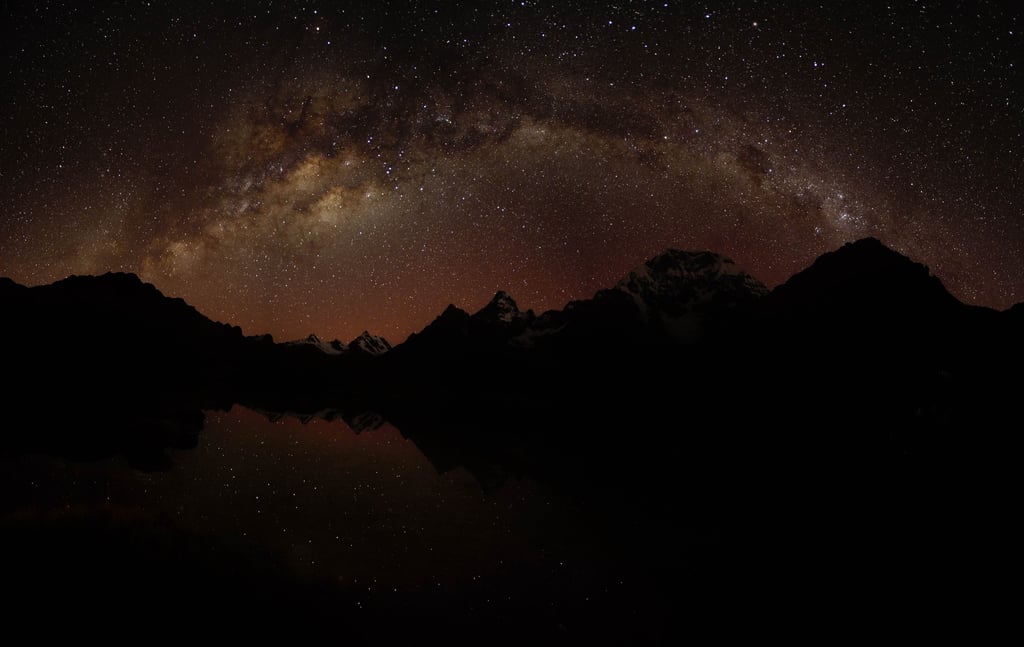
Milky Way arching above multicolored mineral bands
Zodiacal light emerging behind rainbow ridges
Snow-dusted peaks under star-filled skies
Clean horizons with zero artificial light
This makes Vinicunca a unique high-altitude nightscape subject, unmatched anywhere else in the Andes.
Best Time of Night for Astrophotography
Night Window
7:00 pm – 2:30 am (Milky Way core season)
4:00 am – 5:30 am (Zodiacal light before sunrise)
🌅 Golden Transitions
Blue hour before dawn for foreground detail
First light over rainbow ridges and glaciers
Seamless transition from stars to sunrise landscapes
Ideal Astrophotography Camps & Locations
Azulqocha & Ausangate alpine lakes
High puna valleys with unobstructed horizons
Remote Rainbow Mountain viewpoints away from day crowds
Glacier-fed basins with reflective water surfaces
All locations are selected for foreground strength, horizon clarity, and night accessibility.
Who This Expedition Is Designed For
Landscape & astrophotographers
Nightscape and Milky Way specialists
Advanced photography travelers
Small private photography groups
Photographers seeking rare, high-altitude dark skies
Contact
Email: phototourperu@gmail.com
Phone: +51 940188346
© 2025. All rights reserved.
Designed by Zihna