
bird photography peru andes amazon guide
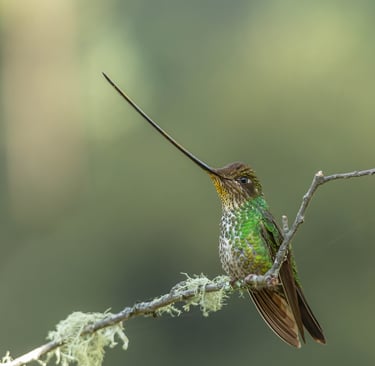
A hummingbird pauses beside a flower. A forest bird appears between wet leaves. Above an Andean valley, a distant silhouette opens its wings. Bird photography in Peru brings together different habitats, changing light, and the patience needed to turn a wildlife encounter into a photograph.
Photo Tours Peru
11/17/20266 min read
Bird Photography in Peru: A Photographer’s Guide to the Andes and Amazon.
A hummingbird pauses beside a flower. A forest bird appears between wet leaves. Above an Andean valley, a distant silhouette opens its wings. Bird photography in Peru brings together different habitats, changing light, and the patience needed to turn a wildlife encounter into a photograph.
For photographers planning an Andes and Amazon journey, the key is choosing a route around your subjects and giving each location enough time. This guide covers northern Peru’s hummingbird and cloud-forest photography route alongside Cusco, Abra Málaga, Vilcabamba, Manu Road, and the Amazon lowlands in southern Peru.
Why choose Peru for bird photography?
Southern Peru connects high-Andean grasslands and wetlands with cloud forest and Amazonian habitats. That variety makes it possible to build a diverse photographic story within one regional itinerary.
However, a long bird list does not automatically mean a strong photography trip. A sighting may last seconds, happen behind branches, or take place too far away for the image you want. Plan around opportunities to work with light, backgrounds, behavior, and repeat visits.
Start by deciding what matters most: hummingbird portraits, forest birds, birds in flight, or wider images that show wildlife in its habitat.
Where to photograph birds in Peru
AreaMain photographic interestPlanning considerationNorthern PeruHummingbirds, endemic birds, and cloud-forest photographyAllow time for transfers and repeat sessions at priority locationsCusco and HuacarpayWetland birds and open Andean settingsAllow time to settle into the region before longer excursionsAbra MálagaHigh-elevation woodland and cloud-forest birdsDifferent habitats require different stops and conditionsVilcabambaAndean and cloud-forest bird photographyConfirm target locations, walking requirements, and road accessManu RoadCloud-forest bird photography along an elevation gradientBudget for road transfers and repeated sessionsTambopataAmazonian forest and macaw clay-lick photographyChoose accommodation and access around your intended subjects
Northern Peru: hummingbirds, endemic birds, and cloud-forest photography
Our Northern Peru Bird Photography Expedition is a 14-day journey linking photography locations around Tarapoto, Moyobamba, Abra Patricia, and the Cocachimba area. It focuses on hummingbirds, endemic birds, tanagers, and other forest subjects, with the Marvelous Spatuletail among the principal targets.
For photographers interested in hummingbirds, the itinerary includes dedicated sessions and a planned return visit to a selected hummingbird location. Repeated sessions give you time to refine backgrounds, respond to changing light, and work toward different images. Sightings and photographic results remain dependent on bird activity and conditions.
Prepare for early starts, road transfers, and uneven forest trails. Discuss the walking requirements and your preferred subjects before booking so the final itinerary matches your photography goals.
Explore our Northern Peru Bird Photography Expedition: Hummingbirds & Endemic Birds — 14 Days.
Cusco and Huacarpay: begin with observation
Huacarpay is a useful birding location near Cusco, with waterbirds and surrounding scrub habitat. Rather than rushing between subjects, use your first sessions to practice autofocus, evaluate backgrounds, and learn how your camera handles bright water or dark plumage.
Look beyond tight portraits. Reflections, reeds, and distant mountains can help explain where the bird lives.
Abra Málaga: photograph birds in their mountain habitat
Abra Málaga combines high-elevation Polylepis woodland with cloud forest on its eastern slopes. This makes habitat selection important: a mountain-woodland session and a cloud-forest session offer different photographic possibilities.
Keep your equipment manageable and discuss walking requirements before booking. When a bird is small in the frame, try an environmental composition instead of moving closer through sensitive vegetation.
Explore our Abra Málaga Bird Photography Tour — 4 Days.
Vilcabamba: Andean birds, cloud forest, and a sense of place
Vilcabamba bird photography adds another dimension to a southern Peru itinerary. Photo Tours Peru’s six-day expedition connects the highlands and Polylepis habitats around Abra Málaga with Vilcabamba’s cloud forests and valleys, combining bird photography with landscapes and Inca heritage.
For photographers, the appeal is the opportunity to build a story across changing habitats. Balance close portraits with wider images showing birds among mossy branches, woodland, or mountain scenery. Allow time to wait quietly and work with available light rather than moving on immediately after a sighting.
Discuss your priority species with your guide before departure so the route reflects their habitat and recent local activity. Walking conditions, travel times, and weather should shape the plan; neither sightings nor clear photographic views can be guaranteed.
Explore our Vilcabamba Birding and Bird Photography Expedition — 6 Days.
Manu Road: follow the transition toward the Amazon
Manu Road descends from the Cusco highlands toward lower tropical habitats. Peru’s official tourism information identifies photographic targets along the route such as the Golden-headed Quetzal and Versicolored Barbet; protected-area birding materials also highlight the Andean Cock-of-the-rock.
For photography, organize your route around time at productive locations rather than the number of stops. A second morning can provide a different perch, cleaner background, or improved light.
Check which lodges, gardens, trails, and viewing sites are included. A Manu Road itinerary does not automatically include the restricted interior of Manu National Park. Ask for the actual route and access arrangements.
Tambopata: plan specifically for lowland Amazon photography
Tambopata offers a different experience, including river travel, rainforest trails, and macaw clay licks. SERNANP identifies Chuncho and Colorado as visitor attractions, with activity influenced by weather.
If clay-lick photography is a priority, select the itinerary around access and viewing time. Distance, river conditions, and lodge location matter more than a general promise of an Amazon visit. Treat bird activity as a wildlife opportunity, never a guaranteed performance.
Best time for bird photography in Peru
There is no single ideal month for every habitat and species. For a southern Peru itinerary, May through October is a practical starting window; official tourism guidance extends the recommended Manu Road season into November. Rain remains possible, especially in forest habitats.
Wetter months can bring atmospheric mist and cloud-filtered light, but also interruptions and difficult access. Choose your dates with the route in mind, and confirm local conditions before departure.
For photographs, consider the light as well as the calendar. Bright midday skies may create harsh contrast, while a cloudy morning can be useful for plumage detail. Very dark conditions may make fast-moving subjects difficult, even when the background looks beautiful.
For northern Peru, plan dates around the specific reserves, photography sites, and recent local conditions rather than applying the southern Peru calendar to the entire route.
Camera equipment and field technique
A familiar camera and a manageable lens are a better starting point than equipment you cannot comfortably carry or operate.
Pack a telephoto lens, spare batteries, memory cards, rain protection, and lens cloths. A shorter lens is useful for habitats and wider wildlife scenes. Choose support equipment according to the route: a tripod may suit a fixed session, while a lighter setup can be easier on trails.
Use these settings as starting points, then adapt:
Photograph in RAW when you want more flexibility in processing.
Try continuous autofocus for moving birds.
Match shutter speed to movement; a still perched bird and a flying bird need different choices.
Check the eye for sharpness and watch for bright backgrounds that affect exposure.
Review highlights on pale feathers before continuing a long sequence.
For hummingbirds, decide whether you want a perched portrait, an environmental image, or a flight photograph. Each requires different timing and technique. Flight photographs are demanding: start with perched subjects if you are still learning your camera.
Responsible bird photography
Keep the bird’s normal behavior more important than your composition. Avoid crowding display sites, approaching active nests, or repeatedly trying to provoke a response. Follow site rules on playback, flash, and feeding.
Where a route includes managed feeders, ask about hygiene and responsible operation. Do not add food or rearrange habitat yourself. Respect private property, designated trails, and the instructions of guides and reserve staff.
How many days should you plan?
For a first photography journey, we recommend concentrating on fewer habitats rather than attempting to cover the country. A short trip can focus on one region; a longer journey gives more room for transfers, repeat sessions, and different elevations.
Ask how much of each day is spent traveling, whether early breakfasts are available, and how sessions adapt to weather. Photographers often gain more from another morning at a good location than an extra destination reached late in the day.
Frequently asked questions
Is Peru suitable for beginner bird photographers?
Yes, if the route and guidance match your experience. Begin with time to practice camera handling and ask about walking distances and viewing conditions before booking.
Should I choose the Andes or the Amazon?
Choose around your intended photographs. Mountain habitats suit an Andean wildlife story; lowland forest and clay-lick sessions require an Amazon-focused route. A longer itinerary can combine habitats without rushing.
Can I join a northern Peru bird photography tour?
Yes. Our 14-day northern Peru expedition focuses on hummingbirds, endemic birds, and cloud-forest photography. Tell us your target subjects and travel dates so we can discuss the itinerary and current arrangements.
Are particular birds guaranteed?
No. Your guide can help select suitable places and timing, but weather, movement, and bird behavior determine each encounter.
Can I combine bird photography with Machu Picchu?
Yes. Photo Tours Peru’s 13-Day Andes and Manu Road Bird Photography Tour combines bird photography locations with Machu Picchu. Keep enough time for the photography sessions that matter most to you.
Plan your bird photography journey with Photo Tours Peru
Tell us your travel dates, preferred birds, camera equipment, group size, and walking preferences. We can help you choose a photography-focused itinerary and discuss the balance between Andean habitats, cloud forest, and Amazonian experiences.
For hummingbirds and northern cloud forests, explore our 14-Day Northern Peru Bird Photography Expedition.
Explore our 12-Day Manu Bird Photography Expedition, or contact Photo Tours Peru to discuss your next journey.
Editorial sources
Photo Tours Peru, Northern Peru expedition: https://phototoursperu.com/northern-peru-bird-photography-expedition-hummingbirds-and-endemic-birds-14-days
Photo Tours Peru, Vilcabamba expedition: https://phototoursperu.com/peru-birding-tours-vilcabamba-6-day-expedition


Contact
Email: phototourperu@gmail.com
Phone: +51 940188346
© 2025. All rights reserved.
Designed by Zihna