
Colombia Endemic Bird Photography Expedition: 11 Days of World-Class Birding and Photography
Colombia is officially recognized as the world’s NUMBER ONE birding destination, home to more than 1,900 bird species, including over 80 endemics found nowhere else on Earth. This biodiversity makes it an absolute paradise for photographers and birders alike.
By photo tours peru
2/25/20265 min read
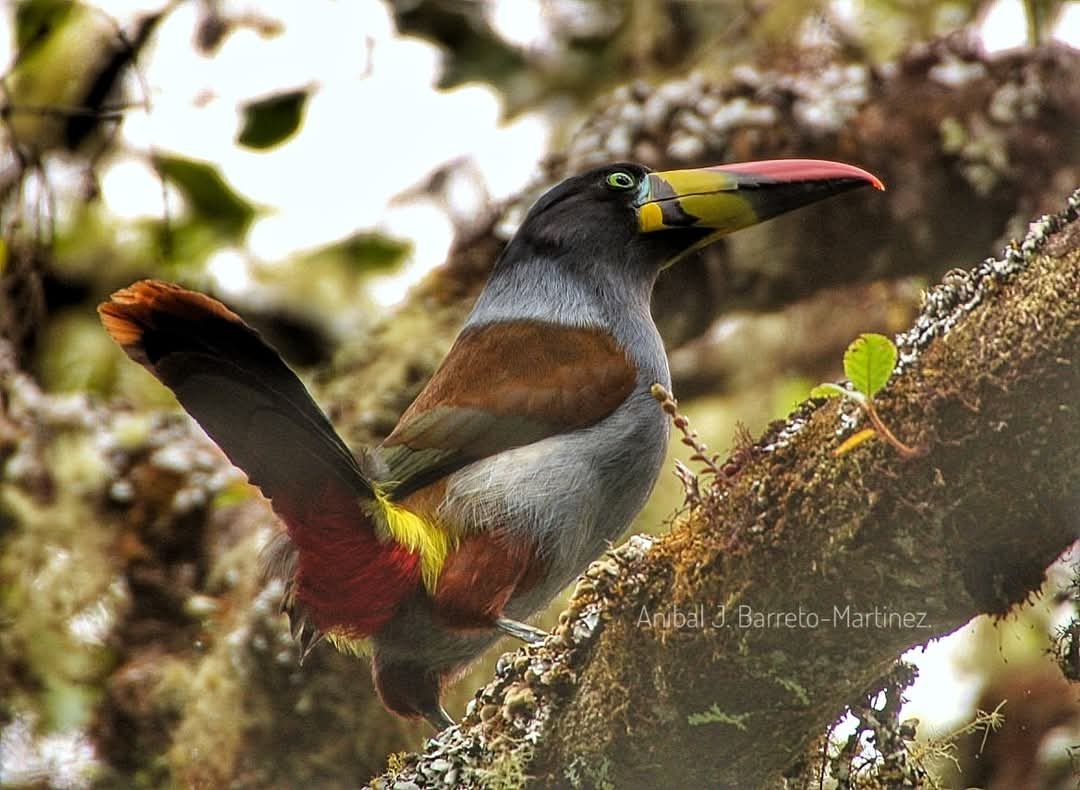
Colombia Endemic Bird Photography Expedition 11 Days of World- Class Birding and Photography
Colombia Endemic Bird Photography: Habitats, Target Species and Field Tips
Colombia is one of the world's most rewarding destinations for bird photography, offering an exceptional variety of habitats, from Caribbean wetlands and tropical dry forests to Andean cloud forests and high-elevation páramo. For photographers, this diversity creates opportunities to work with colorful tanagers, hummingbirds, antpittas, toucans, parrots and highly localized bird species.
A successful Colombia bird photography trip requires more than a long species list. Habitat knowledge, timing, patient fieldwork and enough time at productive locations can make a significant difference to the images you create.
This guide explores several important bird photography regions featured in our Colombia itinerary, explains what photographers may look for in each habitat and outlines practical ways to prepare for a photography-focused expedition.
Why Photograph Endemic Birds in Colombia?
Endemic birds are species whose natural ranges are restricted to a particular geographic area. Colombia's mountains, valleys and isolated ecosystems support many range-restricted species, making the country especially attractive to bird photographers interested in documenting distinctive wildlife.
The goal should not simply be to see as many species as possible. Photographers also need opportunities to observe behavior, understand backgrounds, work with available light and create images that show each bird clearly in its natural environment.
Species presence and photographic opportunities vary with location, season, weather and field conditions. A target list is a guide for planning—not a guarantee of sightings or photographs.
1. Caribbean Wetlands and Tropical Dry Forest
The Caribbean region around Cartagena offers a different photographic environment from Colombia's mountain forests. Wetlands, mangroves, dry forest and gallery forest support a range of waterbirds, raptors and woodland species.
Depending on the exact site and season, photographers may look for herons, ibises, kingfishers, woodpeckers, motmots and other birds associated with these habitats. Specialized coastal species require carefully selected locations and should be confirmed against current local records before a trip.
Photography opportunities
Photograph waterbirds against clean backgrounds and reflected light.
Look for naturally used perches along forest edges and waterways.
Use early-morning light for feather detail and more manageable contrast.
Bring weather protection for cameras and lenses in humid conditions.
2. Sierra Nevada de Santa Marta: A Priority for Endemic Birds
The Sierra Nevada de Santa Marta is an isolated mountain range on Colombia's Caribbean coast. Its changes in elevation and distinct habitats support a notable concentration of range-restricted birds.
Potential photographic targets for a carefully planned visit include Santa Marta Parakeet, Santa Marta Antpitta, Santa Marta Woodstar and other localized mountain species. The exact targets depend on access, season, recent sightings and the locations visited.
Photographing Birds in Mountain Forest
Forest bird photography often involves changing light, dense vegetation and birds that remain partially concealed. A long telephoto lens can help frame distant subjects, but fieldcraft, patience and attention to the background are equally important.
Work slowly and avoid disturbing birds to obtain a photograph.
Look for openings in vegetation that provide clean backgrounds.
Use shutter speeds suitable for movement and available light.
Follow local guidance on access, trails and sensitive species.
High-elevation sessions may begin before sunrise. Warm layers, rain protection, water and a reliable headlamp can make early starts more comfortable.
3. Central Andes and Cloud Forest Photography
The Central Andes offer a different set of habitats, including humid montane forest, forest edges, flowering gardens and high-elevation landscapes. These environments can provide opportunities to photograph hummingbirds, tanagers, mixed-species flocks and other forest birds.
In the Mistrató area of Risaralda, the itinerary includes planned visits to bird-rich reserves and forest trails. Potential targets may include the Chestnut-capped and other tanagers, hummingbirds, antpittas and the range-restricted Multicolored Tanager (Chlorochrysa nitidissima), subject to confirmed local distribution and site conditions.
Making the Most of Feeder Photography
Well-managed feeding stations can offer opportunities to study plumage, behavior and composition. They should complement—not replace—time spent observing birds in natural habitat.
Check the direction and quality of light before choosing a position.
Pay attention to perch shape, background distance and distracting elements.
Compose several frames with different amounts of space around the bird.
Respect reserve rules and never alter a bird's behavior for a photograph.
4. High-Elevation Bird Photography and Páramo
High-elevation habitats offer a different visual setting: open mountain slopes, páramo vegetation, dramatic weather and broad views across the Andes. Depending on the route and conditions, photographers may look for high-Andean birds and raptors, as well as landscape compositions that place birds within their habitat.
Altitude, wind, rain and rapidly changing weather can affect both comfort and camera performance. Allow time to acclimatize when appropriate, dress in layers and protect equipment from moisture and cold.
Essential Equipment for a Colombia Bird Photography Tour
Your equipment should reflect the habitats and photographic subjects you expect to encounter.
Telephoto lens: A 400–600 mm equivalent field of view can be useful for distant birds and canopy subjects.
Camera body: Reliable autofocus and good high-ISO performance can help in dim forest conditions.
Support: A monopod or tripod may be useful for long sessions, depending on the location and shooting style.
Rain protection: Carry covers for the camera and lens, plus a dry bag for transport.
Batteries and storage: Bring spare batteries, sufficient memory cards and a dependable backup plan.
Cleaning kit: Humidity and frequent changes between environments make basic lens care important.
A shorter lens can also be valuable for habitat portraits, environmental images and wider compositions that tell a broader story.
How to Plan a Photography-Focused Birding Trip
A productive expedition balances species targets with time in the field. Before departure, confirm the route, expected elevations, accommodation, transportation arrangements and the sites planned for each day.
It is also useful to discuss your photographic priorities with the tour team. A photographer interested in hummingbird behavior may need a different approach from someone prioritizing forest species, flight images or environmental portraits.
Responsible photography is essential. Follow local rules, avoid playback or other disturbance unless explicitly permitted under an appropriate protocol, never bait birds to create a shot, and keep a respectful distance from nests and sensitive species.
Explore Our 11-Day Colombia Bird Photography Expedition
Photo Tours Peru offers an 11-day, 10-night Colombia bird photography itinerary connecting the Caribbean region, the Sierra Nevada de Santa Marta and selected Central Andes locations. The route is designed around varied habitats and opportunities to photograph localized species, hummingbirds, tanagers and other birdlife.
The detailed itinerary, accommodations, inclusions, group size and current prices are provided on the expedition page. Target species and photographic opportunities depend on local conditions and should not be understood as guaranteed sightings.
Explore the Colombia Endemic Bird Photography Expedition — 11 Days / 10 Nights
Contact Photo Tours Peru to discuss your photographic interests, travel dates, equipment needs and the type of field experience you are looking for.
Frequently Asked Questions
What are the best regions in Colombia for endemic bird photography?
The Sierra Nevada de Santa Marta and selected Andean regions are important areas to consider because of their distinctive habitats and range-restricted bird species. The best route depends on the species you want to photograph and current local conditions.
What lens should I bring for bird photography in Colombia?
A telephoto lens with a long focal length is useful for many bird photography situations. A 400–600 mm equivalent field of view is a practical option, although shorter lenses can be useful for feeder sessions and habitat images.
Is Colombia suitable for amateur bird photographers?
Yes. Photographers with different experience levels can enjoy a bird photography trip, provided the itinerary matches their expectations and they are comfortable with early starts, changing weather and time spent observing wildlife.
Are endemic bird sightings guaranteed?
No. Birds are wild animals, and sightings depend on factors such as weather, season, habitat conditions and natural behavior. A well-planned itinerary can improve opportunities but cannot guarantee a particular species or photograph.
How do I book a Colombia bird photography expedition?
Review the detailed 11-day itinerary and contact Photo Tours Peru to confirm dates, availability, inclusions, pricing and the arrangements for your preferred group size.
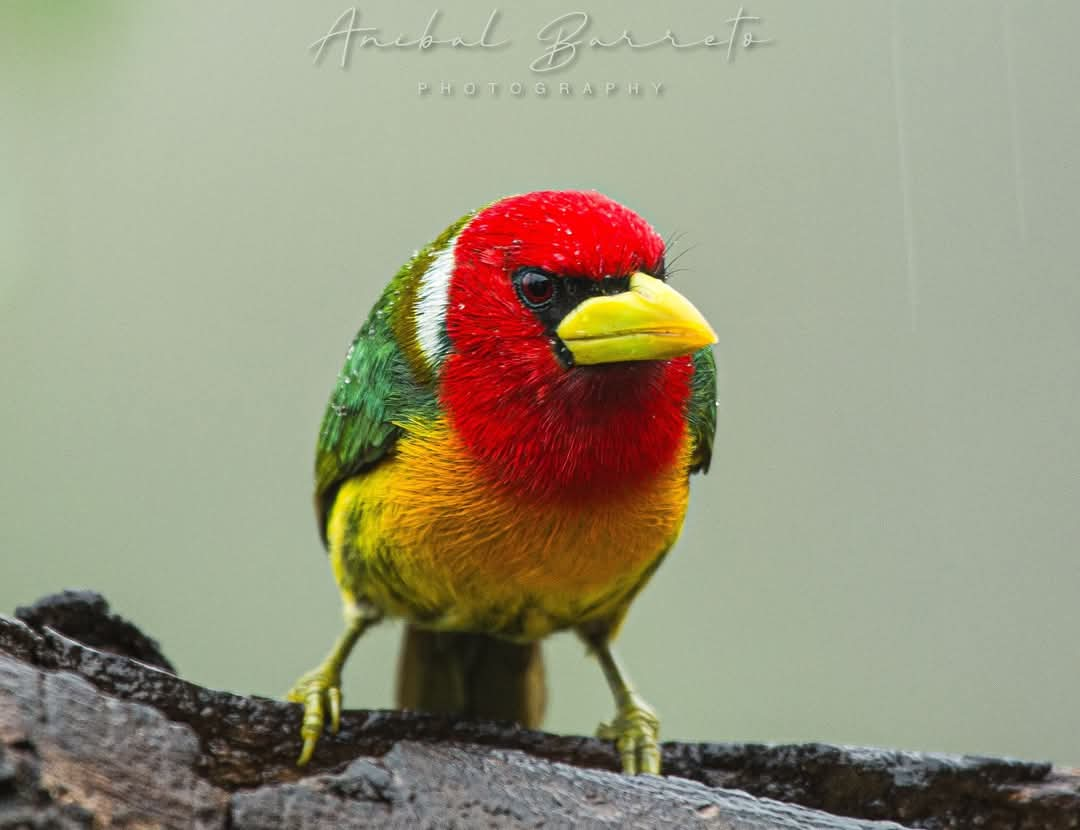
Contact
Email: phototourperu@gmail.com
Phone: +51 940188346
© 2025. All rights reserved.
Designed by Zihna