Full Moon Calendar 2026 — Best Dates for Astrophotography & Nightscape Tours in South America
Planning your astrophotography tours, moonrise shoots, or Milky Way photo trips in South America? Knowing the exact full moon dates in 2026 is key for scheduling around moonlight conditions, night photography sessions, and landscape photography workshops under the stars.
By photo tours peru
1/31/20265 min read


Full Moon Calendar 2027 Best Dates for Astrophotography & Nightscape Tours in South America
2027 Moon Calendar for Astrophotography and Nightscape Photography in South America
Planning an astrophotography trip requires more than finding a beautiful landscape. Moon phase, moonrise and moonset, Milky Way visibility, weather, light pollution and the position of the night sky all influence the final image.
This 2027 moon calendar is designed for landscape photographers, astrophotographers and nightscape enthusiasts planning photography trips in Peru, Bolivia and Chile. It explains how to use the lunar cycle to plan dark-sky sessions, moonlit landscapes and selected celestial events.
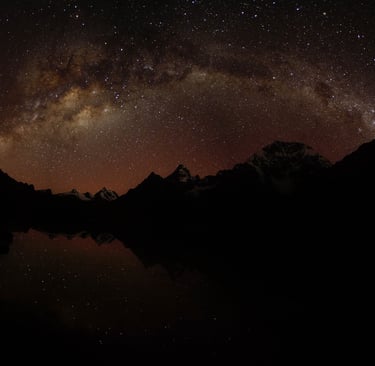
Whether your goal is to photograph the Milky Way above the Andes, capture moonlight across the Uyuni Salt Flats or create star-trail compositions in the Atacama Desert, understanding the Moon's phase can help you choose better dates for your photographic project.
What Is the Best Moon Phase for Astrophotography?
The best lunar phase depends on the photograph you want to create.
New moon: dark-sky and Milky Way photography
The period around new moon generally provides the darkest natural sky, making it a strong choice for Milky Way photography, faint stars and other low-light nightscape subjects. Exact results depend on the season, the Moon's position, astronomical twilight and local weather.
Crescent moon: a balance between foreground light and stars
A thin crescent may provide a small amount of natural illumination for the foreground while leaving much of the sky relatively dark. Its usefulness depends on when it rises or sets in relation to your planned shooting session.
First and last quarter: creative nightscape opportunities
A quarter Moon can create strong shadows and reveal texture in mountain ridges, rock formations and other landscape features. It can also make some star fields less visible, depending on the direction of the Moon and your composition.
Full moon: moonlit landscape photography
Full moon periods are better suited to moonlit mountain scenery, illuminated salt flats, lunar landscapes, silhouettes and selected star-trail compositions than to faint Milky Way photography. A bright Moon can wash out the Milky Way's contrast.
Full Moon Calendar 2027
The dates below refer to the astronomical full-moon phase in Coordinated Universal Time (UTC). The calendar date in Peru may differ from UTC when a phase occurs close to midnight.
MonthFull moon date (UTC)JanuaryJanuary 22FebruaryFebruary 20MarchMarch 22AprilApril 20MayMay 20JuneJune 19JulyJuly 18AugustAugust 17SeptemberSeptember 15OctoberOctober 15NovemberNovember 14DecemberDecember 13
Use these dates as a planning reference, then check the local Moonrise and Moonset times for your exact photography location. The Moon's phase alone does not tell you when it will appear above a particular mountain ridge or horizon.
New Moon Dates for Dark-Sky Photography in 2027
New moon is particularly important when planning Milky Way photography and other nightscape sessions that benefit from minimal moonlight.
MonthNew moon date (UTC)JanuaryJanuary 7FebruaryFebruary 6MarchMarch 8AprilApril 6MayMay 6JuneJune 4JulyJuly 4AugustAugust 2 and August 31SeptemberSeptember 30OctoberOctober 29NovemberNovember 28DecemberDecember 27
These are phase dates, not guaranteed nights of clear skies. For a multi-night photography expedition, plan a suitable window around the new moon instead of relying on a single night. Allow time for changing weather, scouting foregrounds and adjusting compositions.
Best Destinations for Nightscape Photography in South America
Ausangate and Rainbow Mountain, Peru
The high Andes around Ausangate offer dramatic mountain foregrounds, glacial scenery and opportunities to combine landscape photography with the night sky. A carefully planned expedition can include sunset compositions, blue-hour landscapes and night sessions when conditions allow.
Cusco and the Sacred Valley, Peru
The Sacred Valley offers a range of mountain viewpoints, traditional architecture and cultural landscapes. The best location depends on the intended composition, access, weather, local restrictions and the position of the Moon or Milky Way.
Salar de Uyuni, Bolivia
The Uyuni Salt Flats offer expansive horizons and distinctive opportunities for reflections during suitable seasonal conditions. Moonlit sessions can emphasize textures and silhouettes, while darker nights may be more suitable for Milky Way photography.
Atacama Desert, Chile
The Atacama region is known for its arid landscapes and astronomy-oriented travel experiences. Photographers should still account for local weather, altitude, access restrictions and the actual conditions at their chosen site.
How to Plan a Milky Way Photography Session
Before choosing travel dates, check:
The seasonal visibility and orientation of the Milky Way core.
New moon dates and the amount of moonlight during the intended shooting hours.
Moonrise and moonset times at the actual location.
Astronomical darkness, twilight and the direction of the galactic center.
Local weather forecasts, cloud cover and access to the viewpoint.
Travel time, altitude, acclimatization needs and safe return arrangements.
A dark sky does not guarantee a successful photograph. Good compositions also require a strong foreground, careful focusing, suitable exposure settings and enough time to work safely in the field.
Recommended Camera Gear for Nightscape Photography
A practical nightscape setup may include a camera with good high-ISO performance, a wide-angle lens with a relatively fast maximum aperture, a stable tripod, spare batteries, a headlamp with a red-light mode and warm layers for cold high-altitude conditions.
Remote locations can be cold, windy and physically demanding. Always prioritize safe access, acclimatization and responsible lighting practices over getting a particular shot.
Planning a 2027 Astrophotography Tour
Choosing dates is only one part of planning a successful photography trip. The best itinerary should match the intended subject, season, moon phase, altitude, travel time and the number of nights available.
Photo Tours Peru organizes photography-focused expeditions in the Andes and selected destinations across South America. Depending on the trip, photographers can explore mountain landscapes, night-sky compositions, cultural photography and wildlife photography.
If you are planning a 2027 trip, tell us which subjects you want to photograph, your preferred travel dates, your photography experience and whether you prefer a private itinerary or a small-group departure.
Explore our Ausangate astrophotography tours and Rainbow Mountain night-sky photography experience to find an itinerary that matches your goals.
Frequently Asked Questions
Is a full moon good for Milky Way photography?
Usually, a full Moon makes the Milky Way harder to capture because its light brightens the sky and reduces contrast. Full-moon periods can be excellent for moonlit landscapes, but dark-sky photography generally benefits from less lunar illumination.
How many nights should I allow for an astrophotography trip?
Whenever possible, allow several nights. Cloud cover, wind, changing conditions and the time required to reach a composition can affect the results. A multi-night itinerary provides more flexibility than relying on one scheduled session.
Are the full moon dates the same worldwide?
The astronomical phase occurs at one instant worldwide, but the local calendar date can differ by time zone. Moonrise and moonset times also depend on the observer's location.
Can I photograph the Milky Way during a photography tour in Peru?
Yes, when the Milky Way is seasonally visible and conditions are suitable. The best dates depend on the month, lunar illumination, darkness, weather and the chosen composition. No tour can guarantee clear skies or a particular astronomical view.
How do I choose the best dates for an astrophotography tour in Peru?
Start with the season and the celestial subject you want to photograph. Then compare moon phases, local sky orientation, weather patterns, access and altitude. A specialist itinerary can help coordinate these factors across multiple nights.

Contact
Email: phototourperu@gmail.com
Phone: +51 940188346
© 2025. All rights reserved.
Designed by Zihna