
Peru First-Aid Kit: Mountains, Jungle & Coast
A photography trip can take you from a cold Andean viewpoint to a humid forest trail or a windy coastal beach. Your first-aid kit should reflect the route, your health needs, and how long it could take to reach medical care.
Photo tours peru
11/18/20268 min read
First-Aid Kit for Peru: What to Pack for the Mountains, Jungle and Coast
A photography trip can take you from a cold Andean viewpoint to a humid forest trail or a windy coastal beach. Your first-aid kit should reflect the route, your health needs, and how long it could take to reach medical care.
For photographers, the most useful kit is compact, protected from weather, and accessible during the day's activities. A blister dressing buried under camera equipment is less helpful than one you can reach when a hot spot first appears.
This guide explains a basic personal kit and the additions worth considering for Peru's mountains, jungle, and coast. It provides general preparation information, not an individual treatment plan. A travel-health professional should advise on your medicines, vaccinations, medical conditions, and exact itinerary. A kit does not replace first-aid training or evacuation arrangements.
Start with your itinerary and a pre-travel consultation
Share your overnight locations, elevations, trip length, remote walks, and planned forest visits with a travel clinic well before departure. Include allergies, pregnancy, ongoing conditions, and regular medicines. Ask whether your routine vaccinations, including tetanus protection, are up to date.
Health advice for an itinerary limited to Cusco is different from advice for one that continues into lowland Amazon areas. Yellow fever vaccination and malaria prevention depend on the actual locations visited and individual suitability. Do not assume that every jungle trip needs the same measures—or that mountain advice applies to the whole route.
A practical personal first-aid checklist
Use this as a starting point, then adjust supplies to trip length and medical advice. There is no single kit size suitable for every traveler.
Pack Purpose or consideration
Regular medicines and prescription copies Carry enough for the trip and a reasonable delay allowance
Allergy and medical information cardInclude medicine names, important conditions, and an emergency contact
Disposable gloves and hand-cleaning suppliesReduce contamination when helping with minor injuries
Adhesive dressings in several sizesCover small cuts
Sterile gauze, non-stick dressings, and medical tapeProtect wounds
Blister dressings or suitable protective padding Address friction spots before they worsen
Elastic bandageSupport minor soft-tissue injuries when used correctlySmall scissors and tweezersBasic first-aid tasks; check transport rules
Oral rehydration saltsReplace fluid and salts lost through diarrhea or heavy sweating
Digital thermometerAssess fever
A pain reliever suitable for youAsk a clinician or pharmacist about contraindications and interactions
Clinician-approved allergy or bite treatmentAppropriate products depend on personal circumstances
Sunscreen, lip protection, and insect repellentPrevention supplies suited to the route
Keep medicines labelled and follow their storage instructions. Do not share prescription medicines or add antibiotics, altitude medicines, or emergency injections without appropriate clinical advice. Travelers prescribed rescue medication should carry it where it can be reached immediately and know how to use it.
Mountains: altitude, cold, and walking comfort
For routes around Cusco, Ausangate, Huayhuash, or Rainbow Mountain, add an emergency blanket, dry layers, gloves, a warm hat, and a headlamp. Insulation and shelter are as important as the medical pouch during long photography stops.
Recognize altitude illness early
Headache after ascent accompanied by nausea, dizziness, or unusual fatigue can indicate altitude illness. Tell your guide promptly. Do not ascend to sleep higher while symptomatic. If symptoms worsen despite resting at the same elevation, descend and obtain medical help.
Breathlessness at rest, confusion, or difficulty walking normally are emergency warning signs. Stop the activity and arrange urgent medical assistance and descent as safely as possible. Do not wait until morning or stay for a photograph. Fitness does not eliminate altitude risk. Discuss preventive medication with a qualified clinician; it does not replace acclimatization. Do not use a single pulse-oximeter reading to decide that someone is safe.
Prevent excessive cooling
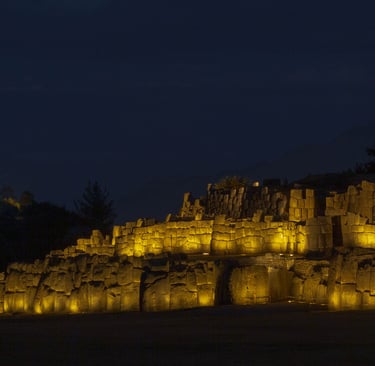
Night photography involves long periods of standing still. If someone becomes very cold, confused, unusually drowsy, or develops slurred speech, seek urgent help. Move them to shelter, replace wet clothing, and insulate them from cold ground. Give a warm non-alcoholic drink only if fully alert and able to swallow. Do not rub their limbs or apply direct intense heat.
Address foot discomfort early
Wear footwear already tested on walks and carry dry socks and blister protection. Tell the guide about pain before it changes your walking. Serious pain, deformity, or inability to bear weight warrants assessment rather than simply tightening a bandage and continuing.
For a mountain itinerary, ask about daily elevations, acclimatization time, and evacuation access when reviewing the Ausangate photography trek.
Jungle and cloud forest: insects, moisture, and infection
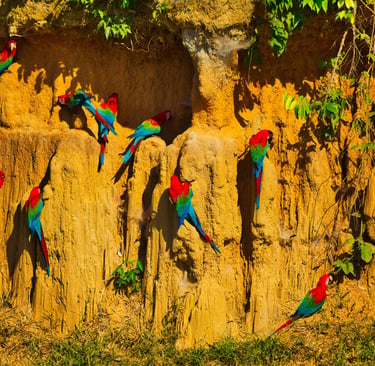
For Manu Road and lower-elevation forest visits, carry the kit inside a waterproof pouch. Protect dressings from moisture and check the storage requirements of your medicines.
Choose effective insect protection
Use an appropriately registered repellent containing an effective ingredient such as DEET or picaridin, following its label and age restrictions. Wear long sleeves and trousers. Permethrin products are for treating suitable clothing and equipment—not skin. When using both sunscreen and repellent, apply sunscreen first.
Ask a clinician about yellow fever and malaria precautions for your exact route. Vaccination and preventive medicines do not replace protection against bites.
Treat small wounds promptly
For a minor cut, clean your hands, rinse the wound with safe clean water, and cover it with a clean dressing. Change wet or dirty dressings. Seek medical attention for increasing redness, swelling, pain, pus, fever, or a wound that remains dirty. Severe bleeding, a deep wound, or an embedded object requires urgent care; do not dig out embedded material.
Fever after forest travel needs assessment
Seek immediate medical attention for fever during or after a visit to a malaria-risk area, even if you took preventive medicine. Tell the clinician where you traveled and when. Do not assume a fever is simply an insect-bite reaction or ordinary travel fatigue.
Discuss the locations and transfer times on your private Manu bird photography expedition before deciding what extra medical preparation is appropriate.
Coast: sun exposure, heat, dehydration, and wind
A coastal itinerary needs drinking water, sunscreen, a hat, sunglasses, and access to shade, alongside the basic kit. Keep medicines out of direct sun and hot vehicles. A cool breeze does not remove the need for sun protection.
Respond to heat illness
If someone develops dizziness, nausea, heavy sweating, weakness, or cramps in hot conditions, stop activity, move them somewhere cool, loosen unnecessary clothing, and cool their skin. Offer cool water or correctly prepared rehydration solution only if they are alert and swallowing safely.
Confusion, collapse, seizures, or severe overheating suggest a medical emergency. Arrange urgent help and continue cooling. Do not give drinks to someone with suspected heatstroke. Seek help if heat-exhaustion symptoms are not improving within about 30 minutes; do not wait that long when severe signs are present. Heatstroke can occur even when someone is sweating.
Protect eyes from blowing sand
Use sunglasses and avoid rubbing irritated eyes. Persistent eye pain, altered vision, or a suspected embedded particle needs professional assessment. Avoid touching your eyes with hands used to clean dusty camera equipment.
Diarrhea and dehydration: useful preparation for any region
Carry oral rehydration salts and mix them with safe water in exactly the volume specified on the packet. Use small, frequent sips if tolerated. Seek medical care for bloody diarrhea, fever, severe abdominal pain, persistent vomiting, marked weakness, or inability to maintain hydration.[8]
Ask a clinician whether any diarrhea medicine is suitable for you. Loperamide alone is not recommended for bloody diarrhea or diarrhea with fever. Antibiotics are not a routine self-selected addition to the kit; use them only under an appropriate medical plan.[8]
Animal bites, snakebites, and severe allergies
Animal bites and scratches: Immediately wash the wound thoroughly with soap and running water for at least 15 minutes and seek urgent medical advice about rabies, tetanus, and wound treatment. Bat exposure can require assessment even without an obvious bite. Previous rabies vaccination does not remove the need for post-exposure assessment.
Suspected snakebite: Arrange urgent transport to medical care, keep the person still, and immobilize the affected limb without a tight constricting bandage. Remove rings or other constricting items if possible. Do not cut, suck, burn, apply ice, or use a tourniquet. Do not chase or handle the snake for a photograph. Antivenom belongs in an appropriate medical setting, not a routine tourist kit.
Severe allergic reaction: Throat or tongue swelling, breathing difficulty, or collapse requires immediate emergency help. Use prescribed adrenaline/epinephrine promptly according to the person's emergency plan. If symptoms do not improve after five minutes, use a second prescribed injector if available. Do not allow the person to stand or walk. Antihistamines do not replace adrenaline for anaphylaxis.
Personal kit and expedition arrangements serve different purposes
Keep your personal medicines, allergy treatment, and small supplies with you. Before departure, ask Photo Tours Peru to confirm the arrangements for your particular trip:
Who carries the group kit and what first-aid training is current?
What communication is available outside mobile coverage?
How would the team reach medical care from remote sections?
Is emergency oxygen carried where appropriate, and who is trained to use it?
Which evacuation and medical costs must your insurance cover?
What activities, elevations, and remote transport does your policy include?
These are questions to confirm, not a statement that every departure carries the same equipment or provides medical personnel. Remote access can delay treatment even on a guided trip.
Keep the kit accessible while photographing
Use a clearly marked pouch separate from lens-cleaning materials. Tell a companion where your prescribed emergency medication is stored. Check expiry dates, replace used supplies, and carry an offline copy of your medical details and insurance assistance information.
Before buying a large commercial kit, remove items outside your training and add the supplies relevant to your health and route. Pack prevention, communication, and practical planning alongside first-aid supplies.
Frequently asked questions
Do I need different kits for the mountains, jungle, and coast?
Start with one basic kit and add route-specific protection. Mountain journeys need particular attention to altitude and cold; forest visits to insects and moisture; coastal travel to sun and heat.
Should every traveler carry altitude medication or malaria tablets?
No single prescription suits everyone. A clinician should consider your itinerary, health, other medicines, and relevant risks before recommending either.
Is the guide's first-aid kit enough?
A group kit does not replace your regular medicines or prescribed rescue treatment. Confirm what is carried and how help would be obtained before departure.
Can I wait until returning to Cusco for medical treatment?
Not when symptoms suggest a serious problem. Tell the guide immediately and seek appropriate help rather than waiting to complete the itinerary.
Prepare for your Peru photography journey
When contacting Photo Tours Peru, request the route, elevations, accommodation, and remote-access details needed for your travel-health consultation. Share relevant needs privately with the team before departure and agree how emergencies would be managed.
Good preparation helps you spend more time concentrating on photography while knowing when to pause, seek help, or change plans.
CDC: Peru traveler health advice — https://wwwnc.cdc.gov/travel/destinations/traveler/none/peru
CDC: Peru healthy travel packing list — https://wwwnc.cdc.gov/travel/destinations/peru/traveler/packing-list ; Travel Health Kits — https://www.cdc.gov/yellow-book/hcp/preparing-international-travelers/travel-health-kits.html
CDC: High-Altitude Travel and Altitude Illness — https://www.cdc.gov/yellow-book/hcp/environmental-hazards-risks/high-altitude-travel-and-altitude-illness.html
NHS: Hypothermia — https://www.nhs.uk/conditions/hypothermia/
CDC: Preventing Mosquito Bites — https://www.cdc.gov/mosquitoes/prevention/index.html/ ; Mosquito Bite Prevention — https://www.cdc.gov/mosquitoes/pdfs/MosquitoBitePreventionUS_508.pdf
NHS: Cuts and grazes — https://www.nhs.uk/conditions/cuts-and-grazes/
NHS: Heat exhaustion and heatstroke — https://www.nhs.uk/conditions/heat-exhaustion-heatstroke/
CDC: Travelers' Diarrhea — https://www.cdc.gov/yellow-book/hcp/preparing-international-travelers/travelers-diarrhea.html
WHO: Rabies — https://www.who.int/en/news-room/fact-sheets/detail/rabies
WHO: Snakebite treatment — https://www.who.int/teams/control-of-neglected-tropical-diseases/snakebite-envenoming/treatment ; NHS: Snake bites — https://www.nhs.uk/conditions/snake-bites/
NHS: Anaphylaxis — https://www.nhs.uk/conditions/anaphylaxis/
CDC: Malaria — https://www.cdc.gov/yellow-book/hcp/travel-associated-infections-diseases/malaria.html
CDC: Heat-Related Illnesses — https://www.cdc.gov/disasters/extremeheat/pdf/Heat_Related_Illness.pdf


Contact
Email: phototourperu@gmail.com
Phone: +51 940188346
© 2025. All rights reserved.
Designed by Zihna