Ultimate 2027 South America Shooting Stars & Meteor Showers Guide
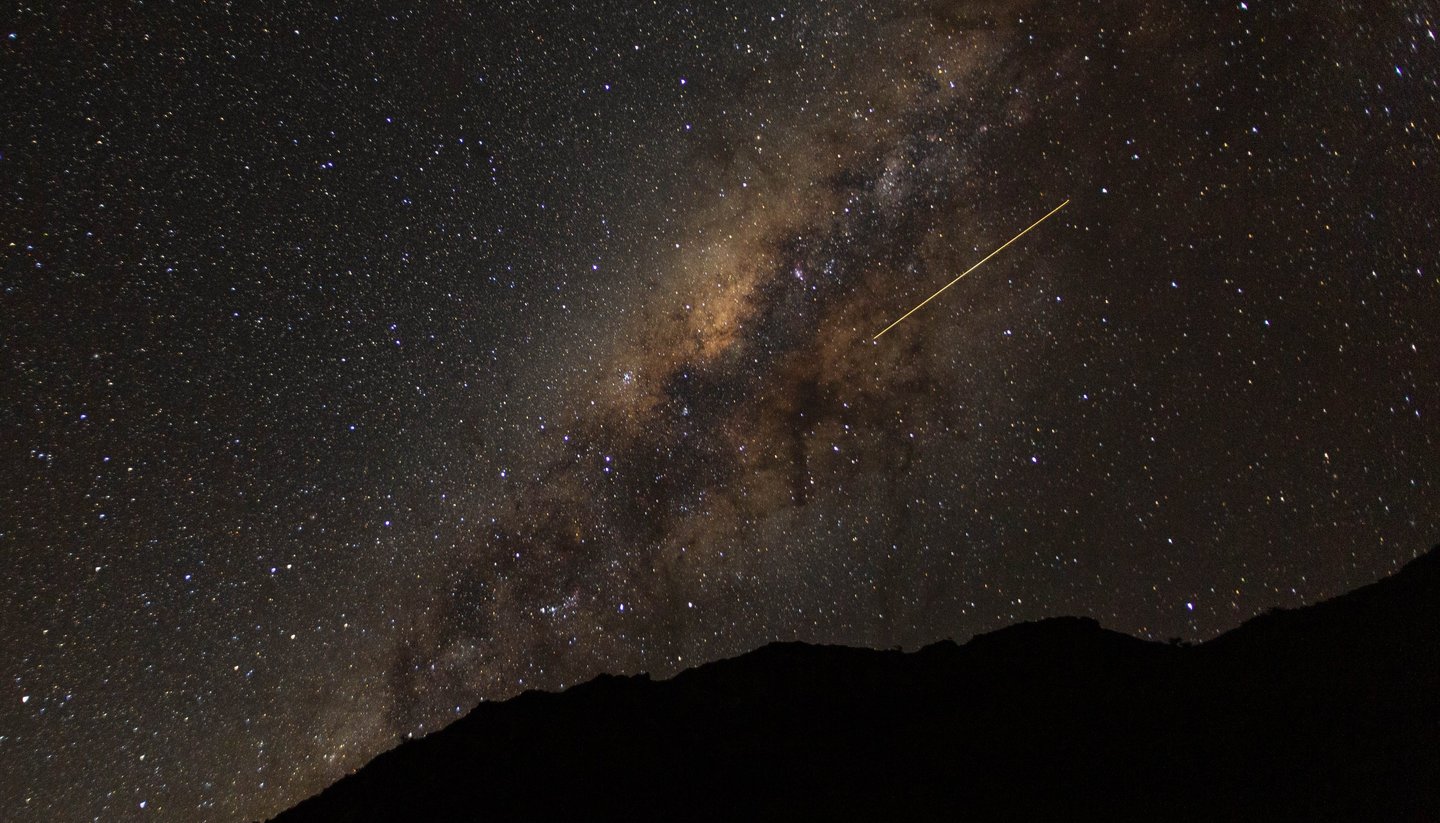
2026 offers multiple major meteor showers that are ideal for night photography, astrophotography tours, long exposure skyscapes, and time-lapse sequences
By photo tours peru
1/28/20268 min read
Ultimate 2027 South America Shooting Stars & Meteor Showers Guide
astrophotography & nightscape photographers
2027 Meteor Shower Calendar for South America: A Photographer’s Guide
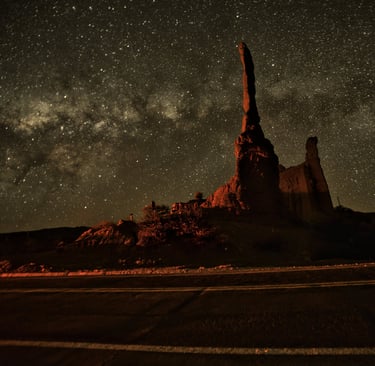
South America offers extraordinary opportunities for night sky photography, from the high Andes of Peru to the remote deserts of northern Chile and the reflective salt flats of Bolivia. For photographers, 2027 is another opportunity to plan a journey around annual meteor showers, the Milky Way, star trails and dramatic night landscapes.
This guide to the 2027 meteor shower calendar for South America covers the main annual meteor showers, their expected peak dates, considerations for observing from the Southern Hemisphere, and practical techniques for capturing shooting stars in your photographs.
Whether you are an experienced astrophotographer or planning your first night sky photography trip, choosing the right dates, location and foreground can make a significant difference to your results.
Important: Meteor shower peak dates are predictions, not guarantees of a spectacular display. The number of meteors you see depends on the shower, radiant altitude, moonlight, darkness, weather and observing conditions. Always verify the local forecast and astronomical circumstances before traveling.
2027 Meteor Shower Calendar: Key Dates
The following dates are planning estimates for the principal annual showers. Peak timing can fall on different local calendar dates depending on time zone. The Southern Delta Aquariids and other showers may have a broad or less sharply defined maximum.
Meteor shower
Expected 2027 peak
Photography considerations
Quadrantids
January 3–4
A short, potentially strong shower; plan around the radiant and local darkness.
Lyrids
April 22–23
A moderate shower suitable for wide-field night sky compositions.
Eta Aquariids
May 5–6
Particularly interesting from southern latitudes because the radiant can rise higher in the sky.
Southern Delta Aquariids
Around July 30–31
A useful winter-season target in many southern locations, weather permitting.
Perseids
August 12–13
A famous shower, but its radiant is relatively far north, so Southern Hemisphere viewing is less favorable.
Orionids
Around October 21–22
A moderate shower that can complement springtime nightscape photography.
Leonids
Around November 17–18
Usually modest, with occasional exceptional outbursts that cannot be assumed in advance.
Geminids
Around December 13–14
Normally one of the year's stronger showers, but moonlight and cloud cover must be assessed for the chosen location.
Peak dates are rounded planning dates and should be checked against an updated astronomical calendar before travel. NASA provides an overview of the annual showers and their activity periods.
Which Meteor Showers Are Best for the Southern Hemisphere?
Not all meteor showers perform equally from every latitude. The radiant—the point in the sky from which meteors appear to originate—can remain low or below the horizon for part of the night. This makes latitude and viewing time particularly important when planning a photography expedition in Peru, Bolivia or Chile.
Eta Aquariids: May 5–6, 2027
The Eta Aquariids are associated with Halley's Comet and are often a worthwhile shower for observers in the Southern Hemisphere. Their radiant can reach a favorable altitude before dawn in southern locations.
For photographers, a useful strategy is to frame a broad section of the sky above a distinctive mountain ridge or remote Andean landscape. Begin with test exposures before the expected peak and check the radiant's position using a reliable astronomy application.
Southern Delta Aquariids: Around July 30–31, 2027
This shower is worth considering for a winter photography trip in the Andes. Its meteors are often relatively faint, so dark skies and careful exposure management matter.
A wide-angle composition that includes the surrounding landscape can produce a more distinctive photograph than a sky-only frame. However, July conditions vary considerably between the Peruvian Andes, the Atacama Desert and Bolivia's Altiplano.
Perseids: August 12–13, 2027
The Perseids are among the best-known meteor showers worldwide. However, their radiant lies in the northern sky, making the shower less favorable for many Southern Hemisphere observers.
If your primary objective is to photograph meteor activity from Peru, compare the Perseids with showers whose radiants are better positioned for your location. Do not choose a destination solely because a shower is famous internationally.
Orionids and Leonids: October and November 2027
These showers offer additional opportunities for photographers traveling in spring. Their normal activity is more modest than that of major displays, so realistic expectations are important.
A longer photographic session, a dark location and a composition that works even without a meteor streak can help you make productive use of the night.
Geminids: December 13–14, 2027
The Geminids are usually one of the strongest annual meteor showers, but their practical visibility depends on the Moon and local observing conditions.
For a serious photography plan, check the precise peak time, moonrise and moonset, the radiant altitude, and the forecast for your intended location before booking accommodation or transport.
Best Places for Astrophotography in South America
The best destination depends on your photographic objective. A high mountain range, a volcanic desert and a salt flat offer different foregrounds, access requirements and weather patterns.
1. Ausangate and Rainbow Mountain, Peru
The Ausangate region and the landscapes around Vinicunca offer dramatic Andean scenery, mountain silhouettes and opportunities to combine daytime landscape photography with night sky sessions.
These locations are particularly appealing to photographers who want to integrate the Milky Way, star trails and meteor photography with mountain landscapes. High altitude also demands proper acclimatization, warm clothing and careful route planning.
Explore Photo Tours Peru's astrophotography and landscape photography tours.
2. Huayhuash Mountain Range, Peru
The Cordillera Huayhuash is known for its rugged peaks, remote mountain scenery and demanding trekking conditions. It can provide compelling foregrounds for nightscape photography when weather, access and safety conditions are suitable.
A dedicated expedition should include time for acclimatization, daytime location scouting and backup compositions in case clouds obscure the sky.
3. Atacama Desert, Chile
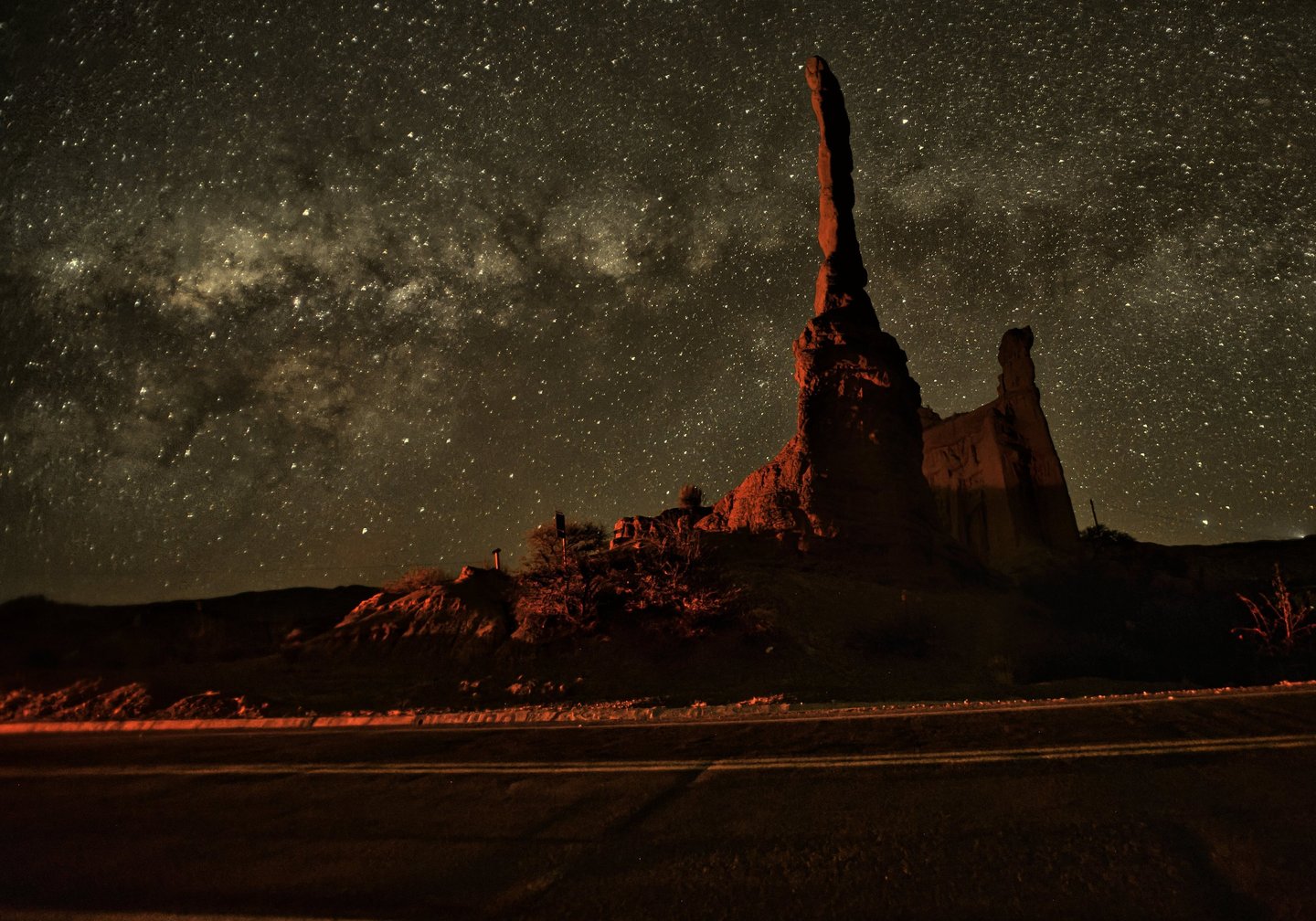
The Atacama Desert is a well-known destination for astronomical observation and night sky photography. Its desert landscapes offer distinctive geological formations, wide horizons and opportunities for compositions that combine celestial subjects with the terrain.
Weather, seasonal conditions, local access restrictions and light pollution still need to be checked for each planned session.
4. Salar de Uyuni, Bolivia
Bolivia's Salar de Uyuni offers expansive salt-flat landscapes that can create striking foregrounds beneath the stars. During suitable conditions, shallow water may produce reflections, although these are seasonal and should never be guaranteed.
Photographers planning a trip should also consider road conditions, the weather, transport logistics and safe access to remote locations.
How to Photograph a Meteor Shower in 2027
Photographing shooting stars requires a different approach from photographing the Milky Way alone. Meteors are brief, unpredictable streaks of light, so successful results usually depend on repeated exposures, a broad field of view and patience.
Recommended Camera Settings
The following settings are starting points, not universal rules. Adjust them for your lens, camera, sky brightness and desired composition.
Setting
Starting recommendation
File format
RAW
Exposure mode
Manual
Lens
Wide-angle lens, ideally with a fast aperture
Aperture
Start around f/1.4–f/2.8 if available
Shutter speed
Test around 10–20 seconds and inspect star shape
ISO
Start around ISO 1600–6400, adjusting for your camera
Focus
Manual focus on a bright star, checked at magnification
Intervalometer
Useful for continuous exposures
Tripod
Stable, level and protected from wind
Use these settings as a starting point, not a guarantee of optimal exposure. If the stars trail, shorten the shutter speed or adjust the focal length. If the sky becomes too bright, reduce exposure or ISO as appropriate.
Use Continuous Exposures
A meteor may appear for only a fraction of a second, and you cannot predict exactly where it will cross the frame. Take a continuous sequence of exposures during the observing window rather than relying on a single photograph.
An intervalometer or camera interval timer can help reduce gaps between frames. Review your images periodically to confirm focus, exposure and battery life.
Compose the Sky with an Interesting Foreground
Meteor photography becomes more compelling when the sky is connected to a recognizable landscape.
Consider incorporating:
Mountain ridges and glacial peaks.
Distinctive rock formations.
A salt-flat horizon or natural reflections when conditions allow.
A foreground silhouette that gives the image scale.
A vertical composition that leaves room for meteor trails.
Scout the foreground during daylight and check the direction of the radiant before the session begins. Remember that meteors can appear far from the radiant, so avoid pointing the camera only at the radiant itself.
How Moonlight Affects Meteor Photography
Moonlight can reduce the contrast of faint meteors and stars. A dark, moonless interval is often desirable, but the Moon does not make a session automatically unusable.
Before finalizing your travel dates, check:
Moon phase and percentage illumination.
Moonrise and moonset at the exact location.
The time of astronomical darkness.
The radiant's altitude and direction.
Cloud cover, wind and local weather.
The Milky Way's position if you want to include it in the composition.
If the Moon illuminates the landscape, it may be useful for foreground photography even when it reduces the visibility of faint stars. Choose your dates according to the photograph you intend to create.
Plan an Astrophotography Expedition in Peru
For photographers traveling to Peru in 2027, a well-designed itinerary should balance astronomical timing, landscape opportunities, travel logistics and acclimatization.
Rather than spending every night at a different location, consider staying long enough in selected areas to scout compositions, adapt to altitude and respond to weather changes.
A private photography itinerary can be tailored around your preferred meteor shower, the Milky Way season, your camera equipment and the landscapes you want to photograph. Depending on your goals, the route may focus on Ausangate, Rainbow Mountain or Huayhuash, or combine Peru with the Atacama Desert and Salar de Uyuni.
Browse the Photo Tours Peru website to explore available photography experiences, then contact us with your preferred dates and photographic objectives.
Frequently Asked Questions
When is the best meteor shower in 2027?
The answer depends on your location, the Moon and the shower's activity. The Geminids are usually among the year's strongest showers, while the Eta Aquariids are often particularly suitable for Southern Hemisphere observers. Neither guarantees a high meteor count at a particular destination.
Can I photograph meteor showers in Peru?
Yes. Selected locations in the Peruvian Andes can provide opportunities for meteor and nightscape photography. The results depend on the date, sky conditions, altitude, moonlight, light pollution and the position of the radiant.
Do I need a professional camera to photograph shooting stars?
No. A camera with manual exposure controls and RAW capture is useful, but equipment alone does not determine the result. A suitable lens, stable tripod, accurate focus and repeated exposures are essential.
Is the Milky Way visible during a meteor shower?
Sometimes. Visibility depends on the date, time, season and direction of the galactic center. A meteor shower and the best Milky Way viewing window do not necessarily coincide, so plan both separately.
Can a photography tour guarantee shooting stars or clear skies?
No. A tour operator cannot guarantee meteor activity in a particular frame, cloud-free conditions or a visible Milky Way. Good planning improves the opportunities, but astronomical and weather conditions remain unpredictable.
How early should I plan an astrophotography trip for 2027?
Start by identifying the shower and its expected peak, then check lunar conditions and local access. For remote destinations that require transport, accommodation or trekking arrangements, plan well in advance and allow flexibility around weather and altitude.
Photograph the Night Sky with Photo Tours Peru
South America's night skies offer extraordinary possibilities for photographers who plan carefully and remain flexible. From the high Andes of Peru to the deserts and salt flats farther south, every destination presents different opportunities for capturing stars, meteor trails and dramatic landscapes.
Planning an astrophotography trip for 2027? Contact Photo Tours Peru with your preferred travel dates, experience level, equipment and photographic goals. We can discuss suitable destinations and a photography-focused itinerary based on your interests.
Explore our photography tours in Peru and start planning your next night sky photography expedition.
Contact
Email: phototourperu@gmail.com
Phone: +51 940188346
© 2025. All rights reserved.
Designed by Zihna